
Flowers
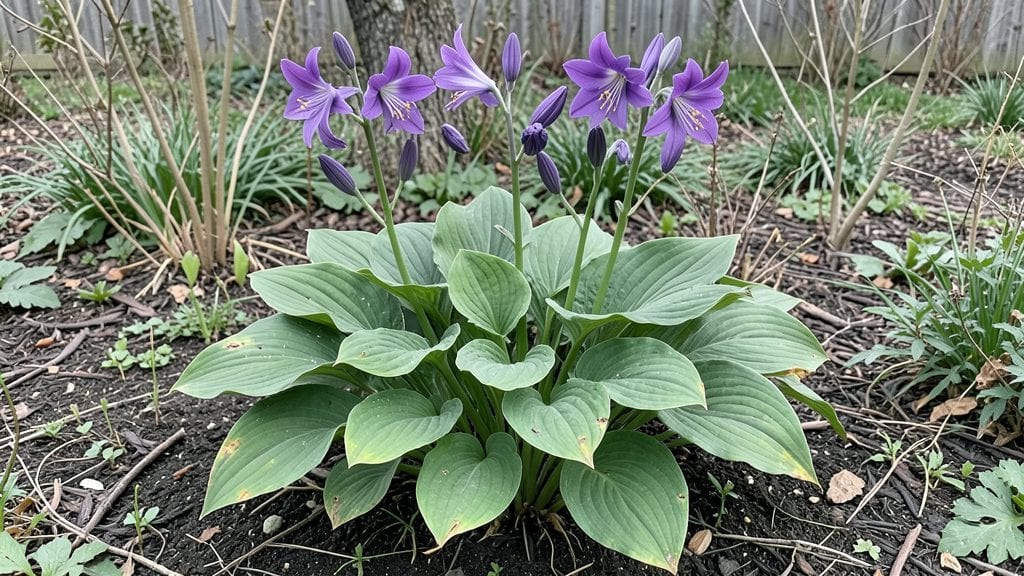
Green hostas with purple flowers bring a bold, unexpected pop to shade gardens that no other plant can match 🌿.
If you love the bold contrast of deep purples against lush greenery, these varieties will transform your garden into a year-round masterpiece—even when their leaves aren’t in bloom. The secret lies in their striking blooms that appear in late summer, turning heads with their lavender or violet hues.
What makes them so special is how they pair effortlessly with ferns, astilbes, and other shade-loving perennials, creating layers of texture and color. Whether you’re designing a woodland garden or a container display, these hostas deliver seasonal interest without demanding full sun.
Below, I’ll share the top varieties to try, how to combine them for maximum impact, and why they might not bloom—and how to fix it. Ready to add some drama to your shady spots?
Top 5 green hosta varieties featuring striking purple flowers
If you're dreaming of a shade garden bursting with purple blooms against glossy green foliage, these hosta varieties are your secret weapon. Unlike their blue or variegated cousins, green hostas with purple flowers deliver a bold color contrast that elevates any garden design.
The best part? Their late-summer blooms provide a seasonal highlight when many other perennials fade. Let’s dive into the top 5 varieties that will make your garden the talk of the neighborhood.
These purple-flowering hostas aren’t just about their showy blooms—they also offer textured leaves, varying growth habits, and unique care needs. Whether you’re a shade garden enthusiast or a container gardener, there’s a hosta cultivar perfect for your space.
From dwarf varieties for borders to large clump-formers for statement pieces, these plants deliver year-round interest with minimal effort. Ready to transform your garden? Let’s explore the standout varieties and their growing secrets.
🌿 Comparison Table: Top 5 Green Hostas With Purple Flowers
| Variety | Mature Size | Bloom Time | Light Needs | Care Tips |
|---|---|---|---|---|
| Royal Standard | 2-3 ft tall, 3-4 ft wide | Late July-August | Partial shade (4-6 hrs sun) | Tolerates dry shade; prune spent blooms for cleaner look |
| Blue Angel | 1-2 ft tall, 2-3 ft wide | Late July-August | Partial shade (morning sun) | Loves moist soil; great for container gardening |
| Halcyon | 1.5-2 ft tall, 2-3 ft wide | Mid-August | Partial shade (dappled light) | Drought-tolerant once established; slow grower |
| Guacamole | 1-1.5 ft tall, 2-3 ft wide | Late July | Partial shade (filtered light) | Variegated edges add contrast; mulch heavily in winter |
| Francee | 2-3 ft tall, 3-4 ft wide | Late July-August | Partial shade (6+ hrs sun) | Fragrant blooms attract pollinators; divide every 3-4 years |
First on our list is Royal Standard, a classic hosta with bold purple spikes that stand out against its deep green leaves. This large clump-forming variety thrives in partial shade and is surprisingly drought-tolerant once established.
Its late-summer blooms (July-August) make it a garden star when many other plants are winding down. For maximum impact, pair it with ferns or astilbes to create a lush, layered look. If you love low-maintenance plants, Royal Standard is a must-have for your shade garden.
The Blue Angel hosta is a compact powerhouse with vibrant purple flowers and glossy green foliage. Unlike larger varieties, this dwarf hosta (1-2 ft tall) is perfect for container gardening or small-space gardens. It loves moist, well-draining soil and does best with morning sun to prevent leaf scorch.
The key to its success? Keep the soil consistently moist—especially during its blooming season. This variety is also deer-resistant, making it ideal for rural or suburban gardens where pests are a concern.
If you’re looking for a unique texture, Halcyon delivers with its ruffled, wavy leaves and lavender-purple blooms. This slow-growing hosta is a drought-tolerant choice once established, making it perfect for low-water gardens. Its mid-August blooms provide a late-season splash of color when other plants are fading.
For best results, plant it in dappled shade and mulch heavily to retain moisture. Halcyon is also great for woodland gardens or as a border plant along shady pathways.
For a truly unique look, try Guacamole, a variegated hosta with creamy edges and deep green centers. Its purple flowers in late July add a soft contrast to its bold foliage.
This variety loves filtered light and moist soil, making it ideal for understory planting or woodland gardens. The variegation makes it stand out in monochromatic shade gardens, while its compact size (1-1.5 ft tall) works well in containers or borders.
Don’t forget to mulch heavily in winter to protect its delicate
How to pair purple-flowering hostas for maximum garden impact
When you plant green hostas with purple flowers, you’re not just adding foliage—you’re creating a dramatic visual statement. The secret to making them truly shine lies in pairing them with complementary perennials that enhance their color contrast and extend seasonal interest.
The right neighbors can turn a simple shade garden into a year-round masterpiece, especially when their textures and blooms play off the hosta’s deep purples.
Start by considering the light conditions your hostas thrive in—partial shade with morning sun. This means their companions should also prefer dappled sunlight or filtered light. Avoid pairing them with sun-loving plants that would outcompete them for resources.
Instead, focus on shade-tolerant perennials that bloom at different times to keep your garden vibrant from spring through fall.
- 🌿 Ferns (e.g., Japanese Painted Fern) – Their lacy foliage softens the bold purple blooms of hostas like 'Halcyon'. Plant 3-6 inches away to create a textural contrast while keeping the hosta’s foliage center stage.
- 🌹 Astilbes (e Purple Candles) – These feathery plumes add vertical interest and bloom when hostas are fading. Pair with 'Royal Standard' for a purple-and-white cascade. Ensure both get consistent moisture to prevent wilting.
- 🌻 Heucheras (e.g., 'Palace Purple') – Their deep burgundy leaves mirror the hosta’s flower color while adding warmth to the shade garden. Group in odd-numbered clusters (3 or 5) for a natural, balanced look.
- 🪴 Coral Bells (e.g., 'Hylotelephium spectabile') – Their pink or purple blooms echo the hosta’s flowers but last longer into fall. Plant 12-18 inches away to avoid root competition while creating a soft transition between hosta clumps.
- 🌼 Lungwort (e.g., 'Pulmonaria saccharata') – Early blue and pink blooms pair beautifully with hostas’ late-spring flowers. Their spotted foliage adds visual intrigue year-round. Keep soil rich and moist for both plants.
For a low-maintenance approach, group hostas with self-spreading ground covers like ajuga or foamflower (Tiarella). These plants fill gaps naturally while adding soft textures that contrast with the hosta’s bold foliage. Just be mindful of their spreading habits—ajuga, for example, can overtake hostas if not contained.
Don’t forget about seasonal interest. Pair purple-flowering hostas with winter interest plants like Hellebores (Lenten Rose) or Dwarf Mondo Grass. While hostas go dormant in winter, these companions ensure your garden stays visually engaging year-round.
Plant Hellebores 12-18 inches away to avoid crowding but close enough for a seamless transition.
Finally, consider container gardening for small spaces. Combine a large hosta like 'June' with miniature astilbes and dwarf ferns in a 18-inch pot. Use a well-draining mix with organic matter to keep roots happy.
This setup lets you move the display to follow sunlight or create focal points on patios and decks.
With these pairings, your green hostas with purple flowers will become the star of the shade garden, drawing eyes with their striking contrast and keeping your space lively from spring through fall. 🌿