
Pests
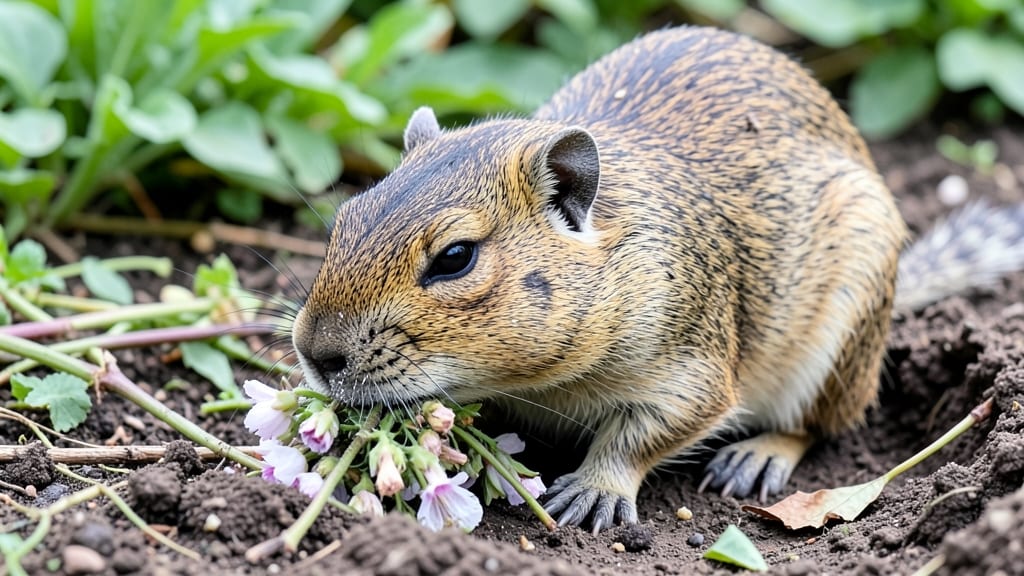
Groundhogs eating flowers isn't just annoying—it’s a full-blown garden massacre. 🌱 I’ve lost entire beds of tulips and daylilies to these burrowing bandits, and I’m here to tell you how to stop them without traps or harsh chemicals.
The key lies in understanding their habits and outsmarting them with natural barriers.
Groundhogs target tender plants, especially early bloomers like tulips, daffodils, and hostas. They dig tunnels to reach roots or simply munch on foliage when fences are weak.
My first mistake? Waiting until damage appeared. Now, I act before they even show up by reinforcing vulnerable spots with wire mesh or raised beds.
You’ll reclaim your garden in weeks—not months—with simple adjustments like burying hardware cloth or planting groundhog-resistant perennials like lavender or Russian sage. The payoff? Flowers that thrive without becoming a buffet. Let’s make your garden off-limits to these furry thieves.
Works for any yard size, from small urban plots to sprawling country gardens. The secret is consistency—once you block their access, they’ll move on to easier targets. Here’s how to do it right the first time.
Why it happens
Groundhogs—those chubby, burrowing rodents—aren’t just adorable garden visitors; they’re serious flower thieves. 🌸🐾 When they start nibbling on your prized petals, bulbs, or even young seedlings, it’s not just a nuisance—it’s a deliberate foraging behavior rooted in biology, habitat needs, and survival instincts.
Understanding the why behind their floral feasts is the first step to outsmarting them. Let’s dig into the science (and the sneaky strategies) driving their appetite for your garden.
🌱 Seasonal Food Scarcity Triggers
Groundhogs (also called woodchucks) are herbivores with a seasonal menu, and when their usual food sources—grasses, clover, and leafy greens—dwindle, they turn to easier, higher-calorie targets: your flowers. Here’s how it breaks down:
- Spring awakening: After hibernating through winter, groundhogs emerge in early spring with low energy reserves. Fresh flowers, bulbs (like tulips or daffodils), and tender shoots are packed with simple sugars and moisture, making them a quick energy boost. 💡 Pro tip: This is why you might notice damage right after the groundhog’s den opens in February or March.
- Late summer/early fall: As temperatures rise and native plants dry out, groundhogs shift to water-rich foods. Succulent flowers (like marigolds or zinnias) or bulbs still storing moisture become prime targets. 🌡️ Watch for: Chewed stems near the base—this is their way of accessing the bulb below.
Actionable fix: Plant less palatable flowers (like lavender or salvia) as buffer zones around high-value plants. These have strong scents or textures that deter foraging.
🏡 Nesting and Den Preparation
Groundhogs are architects of underground dens, and they need soft, insulating materials to line their burrows. What better than fluffy flower petals, seed heads, or even entire uprooted plants? Here’s the science:
- Insulation instinct: Petals and leaves create natural padding for their nests, especially in early spring when they’re excavating new dens. 🏗️ Look for: Ragged edges on flowers or missing sections of plants—this is their “construction zone.”
- Scent masking: Some flowers (like roses or peonies) have strong fragrances that can mask the groundhog’s own scent, making it harder for predators to detect their den. 👃 Result: They’re more likely to drag in floral debris to “camouflage” their home.
Actionable fix: Create physical barriers (like wire mesh or hardware cloth) around nesting areas. If you spot fresh digging, block access points with non-toxic materials like straw or mulch to discourage further excavation.
🧠 Foraging Behavior and Curiosity
Groundhogs are opportunistic foragers, and their brains are wired to explore and sample new foods. Unlike deer or rabbits, they don’t rely on a single food source—they’re generalist grazers with a taste for variety. Here’s how curiosity leads to floral destruction:
- Novelty preference: Studies show that groundhogs are more likely to investigate unfamiliar plants in their territory. If your garden has bright, fragrant, or unusual flowers (like hybrid roses or exotic perennials), they’ll test them first. 🌟
- Social learning: Groundhogs live in loose colonies, and if one individual discovers a tasty flower patch, others will follow the scent trail. This creates a domino effect of damage.
- Salt and nutrient cravings: Some flowers (like lilies or daylilies) contain natural salts or minerals that groundhogs seek out, especially in mineral-deficient soils. 📊
Actionable fix: Remove the reward by replacing high-value flowers with bitter or toxic plants (like foxglove or daffodils—though note these can be harmful to pets!). Alternatively, use repellent sprays with capsaicin (chili pepper) to create an unpleasant taste association.
🌿 Habitat Encroachment and Territory Marking
When human development or landscaping shrinks their natural habitat, groundhogs expand their foraging range—often into your garden. But there’s more to their floral raids than just hunger:
- Territory demarcation: Groundhogs chew and scatter plant material to mark boundaries, especially during mating season (March–April). 🐾 Signs: Randomly broken stems or scattered petals near property lines.
- Competition for space: If multiple groundhogs are active in your area, they’ll compete for food sources, leading to more aggressive foraging. This is why you might see overnight devastation—they’re working in teams!
Actionable fix: Secure your garden’s perimeter with buried wire mesh (12–18 inches deep) to block digging. For territory marking, plant dense ground covers (like creeping thyme) to make it harder for them to scatter debris.
Stopping Garden Invaders Naturally
Discovering that a groundhog has turned your garden into an all-you-can-eat buffet can be frustrating, but the good news is that you don’t need harsh chemicals to reclaim your plants. With the right strategies, you can deter these burrowing critters while keeping your garden thriving.
Below are practical, nature-friendly solutions tailored to the root causes of their flower feasting—so you can restore peace to your green space.
🌱 Fix Overgrown or Vulnerable Planting Zones
Groundhogs are drawn to gardens that look like easy pickings—especially soft, young shoots and unprotected perennials. If your flowers are the first line of defense (and the easiest snack), it’s time to fortify them.
🔥 Strengthen Plant Defenses
- Choose thorny or pungent plants near high-risk areas. Groundhogs dislike:
- Daffodils (toxic to them)
- Alliums (garlic family—strong scent deters them)
- Boxwood or barberry (thorny barriers)
- Mulch heavily with wood chips or straw around vulnerable plants. The rough texture makes digging difficult, and the scent can mask flower aromas that attract groundhogs.
🍳 Create a "No-Go Zone" with Repellent Plants
Plant a border of groundhog-repelling species around your garden’s perimeter. Try:
- Russian sage (strong fragrance)
- Lavender (citrusy scent confuses them)
- Marigolds (bitter taste they avoid)
🚧 Install Physical Barriers They Can’t Bypass
Groundhogs are powerful diggers—so your barrier must be deep, sturdy, and unappealing to chew through.
👨🍳 DIY Wire Mesh Barriers (Best for New Plantings)
- Use 1/4-inch hardware cloth (not chicken wire—it’s too flimsy).
- Bury it at least 2 feet deep and extend 1–2 feet above ground to prevent climbing.
- Pro tip: 💡 Bend the top edges outward to create a "lip" that deters digging.
🥘 Temporary Fencing for Immediate Protection
- PVC pipe hoops (3–4 feet tall) covered with wire mesh work for small gardens.
- Heavy-duty landscape fabric wrapped around young plants can buy time until roots establish.
⏰ Long-Term: Rock or Gravel Barriers
- A 3-foot-wide strip of smooth river rocks around the garden edge disrupts their digging rhythm.
- Avoid sharp-edged gravel—groundhogs can get stuck in it.
🔪 Remove Food Sources & Hide Their Hiding Spots
Groundhogs eat flowers but also forage for seeds, bulbs, and tender stems. Eliminate temptation by:
🌡️ Secure Compost & Garden Debris
- Store compost bins in sealed metal containers.
- Clean up fallen petals, seed heads, and weeds—these are snacks for groundhogs.
- Harvest vegetables promptly to avoid attracting them to your veggie patch.
🎯 Block Access to Burrows
- If you spot fresh digging, fill the holes with water or loose gravel (they dislike the texture).
- Seal entry points with hardware cloth or concrete mix (for permanent fixes).
✨ Natural Repellents: Smells They Hate
Groundhogs rely heavily on scent. Overpower their sense of smell with strong, unpleasant aromas:
💡 DIY Spray Repellents (Reapply Weekly)
| Ingredient | How to Use |
|---|---|
| Hot pepper spray | Mix 2 tbsp cayenne + 1 gallon water + dish soap. Spray around garden edges. |
| Predator urine | (Coyote or fox urine, available at garden stores) Sprinkle near entry points. |
| Citrus peels | Soak in water for 24 hours, strain, and spray. Refresh every 3–4 days. |
🌿 Plant-Based Deterrents
- Crushed red pepper flakes sprinkled around plants (reapply after rain).
- Fresh garlic cloves buried near the garden perimeter (replant every 2 weeks).
📊 Prevention Tips for Long-Term Peace
Once you’ve addressed the immediate issue, keep groundhogs from returning with these habits:
- Inspect your garden weekly for new digging or chewed plants.
- Avoid planting groundhog favorites like tulips, roses, or hostas near vulnerable areas.
- Keep grass short around garden edges—groundhogs prefer tall, hidden spots.
- Use motion-activated sprinklers (like ScareCrow) for a surprise water spray when they approach.
With these strategies, your garden can go from groundhog smorgasbord to fortress of flowers—without resorting to traps or poisons. The key is consistency: combine physical barriers, repellents, and smart planting to make your garden the last place a groundhog wants to dine. 🌿🚫
Frequently asked questions
Why do groundhogs specifically target flowers over other plants?
Groundhogs are drawn to flowers because they’re packed with simple sugars and moisture, offering a quick energy boost after hibernation or during food scarcity. Flowers like tulips, daffodils, and zinnias are particularly tempting—they’re soft, tender, and often grow near the soil where groundhogs dig. Unlike tougher plants, flowers provide easy access to both foliage and roots.
Will planting certain flowers actually deter groundhogs?
Groundhogs dislike the strong scents and textures of plants like lavender, Russian sage, and marigolds. These flowers create natural barriers by confusing their senses or making your garden less appealing. Plant them as a border around vulnerable areas to redirect groundhogs away from your prized blooms.
How deep should I bury wire mesh to stop groundhogs?
For effective protection, bury 1/4-inch hardware cloth at least 2 feet deep around your garden beds. Groundhogs are powerful diggers, so the deeper you go, the harder it is for them to tunnel underneath. Extend the mesh 1-2 feet above ground to prevent climbing over it.
Are there any DIY repellents that actually work?
Yes! Mix 2 tablespoons of cayenne pepper with 1 gallon of water and a drop of dish soap for a hot pepper spray. Reapply weekly to keep groundhogs away. Alternatively, bury fresh garlic cloves near garden edges—they’ll deter groundhogs with their strong scent.
What should I do if groundhogs have already dug holes in my yard?
Fill the holes with water or loose gravel—groundhogs dislike the texture and will avoid them. For permanent fixes, seal entry points with hardware cloth or concrete mix. Regularly inspect your garden for new digging and reinforce barriers as needed.