
Flowers
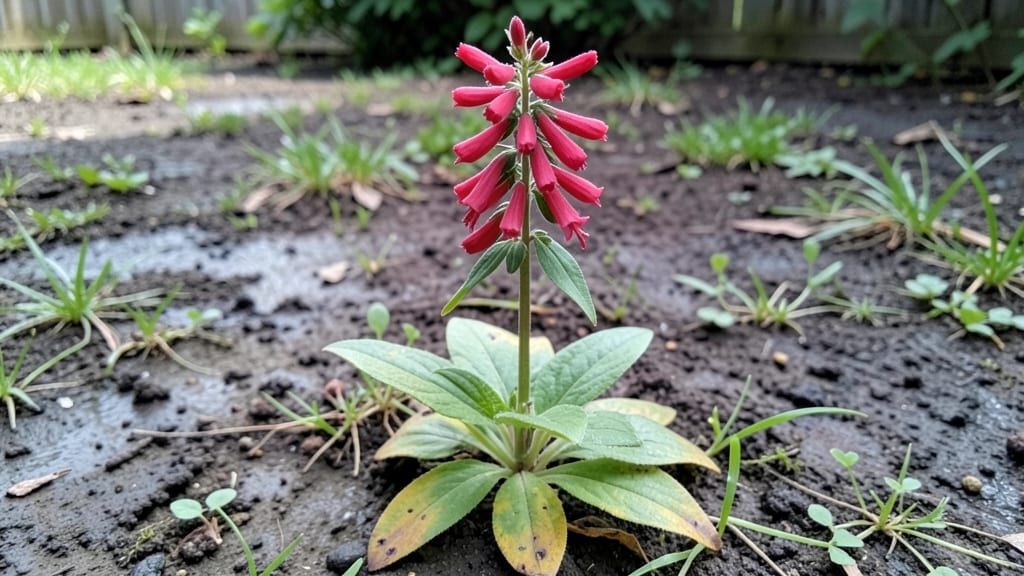
Growing cardinal flower means adding a shockingly vibrant splash of red to your garden that hummingbirds will fight over. I planted mine last spring, and by midsummer, the tall spikes of blood-red blooms became the star of my shady border—no fancy tricks, just patience and the right spot.
The key is getting the soil and water just right, because these dramatic plants won’t tolerate dry spells or heavy clay like a champ.
You’ll need a moist, well-draining spot with partial shade (morning sun and afternoon shade works best), and soil that stays consistently damp but never soggy. Think woodland garden conditions—these plants thrive where others would struggle.
Start seeds indoors 8-10 weeks before your last frost, or buy sturdy transplants in early spring. The secret weapon? A layer of mulch to keep roots cool and moisture locked in.
By late summer, you’ll be rewarded with 4-foot-tall flower spikes that hummingbirds can’t resist, and the blooms last until frost. The trade-off? They’re annuals in most climates, so treat this as a one-season investment in jaw-dropping color.
Just don’t let them go to seed unless you want volunteers popping up everywhere next year.
Here’s the catch: cardinal flowers are fussy about watering—they wilt fast if they dry out. But once established, they’ll reward you with bold, velvety blooms that turn your garden into a hummingbird buffet. Worth every drop of extra attention, honestly.
📚 In This Guide
- What you need
- Instructions
- Tips and common mistakes
- Wrapping up and next steps
What you need
- ● Seeds: 10–20 Lobelia cardinalis seeds (organic, untreated preferred)
- ● Seed-starting mix: 1–2 quarts of lightweight, well-draining potting soil (sterilized)
- ● Containers: 2–4 small seed trays or biodegradable pots (3–4 inches deep)
- ● Watering can or spray bottle: For gentle moisture control
- ● Garden soil: 1–2 bags of rich, moist, well-draining soil (amend with compost)
- ● Fertilizer: Balanced liquid fertilizer (10-10-10) or organic compost tea
- ● Gloves: To protect hands from soil and prickly stems
- ● Trowel: For transplanting seedlings
- ● Mulch: 1–2 inches of organic mulch (shredded bark or leaves) to retain moisture
- ○ Stakes or cages: Optional, for taller varieties in windy areas
- ● Pruners: For shaping or deadheading spent blooms
- ○ Shade cloth: Optional, for seedlings if in hot climates
How to cultivate cardinal flower for stunning seasonal color
This biennial beauty thrives with patience and the right conditions—here’s how to coax those fiery red spikes from seed to showstopping display.
Select the Perfect Site and Prepare the Soil
Cardinal flower demands moist, well-draining soil with a pH between 6.0 and 7.0. I always test my garden beds first—this plant won’t tolerate heavy clay or sandy soil that dries out too quickly. Amend with 2 inches of compost and a handful of peat moss if your soil drains poorly. The ideal spot gets full sun to partial shade, with at least 4 hours of direct sunlight daily. Too much shade stunts growth, while intense afternoon sun can scorch leaves in hot climates.
Here’s the thing—cardinal flower thrives near water sources. If your yard has poor drainage, create a raised bed or mound the soil slightly to prevent root rot. The plants will reward you with 4-foot-tall spikes of vibrant red blooms if you get this part right.
Sow Seeds at the Right Time and Depth
Direct-sow seeds outdoors in early spring, about 4-6 weeks before your last frost date. Cardinal flower seeds need cool soil to germinate—planting too early in warm soil results in poor germination. Press 2-3 seeds per hole just ¼ inch deep, spacing them 12 inches apart. I use a small trowel to make individual holes and avoid disturbing the surrounding soil too much.
Keep the soil consistently moist until germination, which takes 2-4 weeks. Don’t let it dry out—you’ll see tiny green sprouts emerge when conditions are just right. If your area experiences hot summers, consider sowing seeds in late summer for fall blooms the following year, as cardinal flower often blooms in its second year.
Provide Consistent Moisture and Fertility
Once seedlings reach 3-4 inches tall, thin them to the strongest plant per spot. Cardinal flower is a heavy feeder, so side-dress with 1 tablespoon of 10-10-10 fertilizer around each plant in early summer. Water deeply 2-3 times per week, ensuring the soil stays evenly moist but not soggy. The key is steady moisture—let the top 1 inch of soil dry slightly between waterings to prevent fungal issues.
Mulch with 2 inches of organic mulch to retain moisture and suppress weeds. I use shredded hardwood bark because it breaks down slowly and improves soil structure over time. Avoid synthetic mulches—they can smother the delicate stems and disrupt water flow.
Support Stems and Encourage Blooms
As plants grow, they develop tall, slender stems that may need support. Install 4-foot-tall stakes or a light trellis near each plant to prevent flopping, especially in windy areas. Cardinal flower blooms mid-to-late summer, producing bright red, tubular flowers that attract hummingbirds. To prolong flowering, deadhead spent blooms regularly—this redirects energy to new flower production instead of seed development.
Watch for powdery mildew in humid climates. If you notice white powdery spots on leaves, treat immediately with neem oil or baking soda spray (1 tablespoon baking soda + 1 quart water + a drop of dish soap). Prevention is easier—space plants properly and ensure good air circulation around foliage.
Plan for Long-Term Growth and Propagation
Cardinal flower is a short-lived perennial in most climates, often lasting 2-3 years. To extend its life, divide clumps in early spring every 2-3 years. Dig up the plant, separate the roots, and replant the healthiest sections. This rejuvenates growth and prevents overcrowding, which reduces bloom production.
Save seeds for next year by allowing some flowers to go to seed. The seed pods turn brown and split open—collect them before they scatter. Store seeds in a cool, dry place until spring planting. With proper care, you’ll enjoy vibrant red blooms year after year, turning your garden into a hummingbird magnet.
Tips & tricks for perfect cardinal flower cultivation
Cardinal flower might seem finicky, but these insights will help you transform your garden into a vibrant red oasis with minimal fuss. The secret lies in understanding its unique needs—especially the balance between moisture and sunlight that most gardeners overlook.
Soil Preparation Insight: When amending your soil with 2 inches of compost and peat moss, don't stop at the surface. Work these amendments into the top 6 inches of soil to ensure proper drainage and moisture retention throughout the root zone. I've found that cardinal flower roots extend surprisingly deep—sometimes up to 18 inches—so this deeper amendment pays off in the long run. The goal is to create that perfect moist-but-not-soggy environment where roots can thrive without suffocating.
Germination Strategy: The 2-4 week germination window can feel like an eternity, but patience is key. To speed things up slightly, I've had success with a simple pre-soaking trick: Place your seeds between damp paper towels in a sealed plastic bag for 24 hours before planting. This doesn't guarantee faster germination, but it often helps break dormancy in stubborn seeds. Just remember to keep that soil consistently moist—never let it dry out during this critical period, or you'll be starting over.
Watering Technique: The instructions mention watering 2-3 times per week, but what actually works better is watering deeply every 4-5 days. This approach encourages deeper root growth, which makes your cardinal flowers more resilient during dry spells. I use a soaker hose for this because it delivers water right at the soil level without wetting the leaves—preventing those dreaded fungal issues. Aim for about 1 inch of water per session, and always water in the morning to allow foliage to dry completely before evening.
Long-Term Support System: While 4-foot-tall stakes work well, I've found that installing a lightweight trellis system actually provides better support for multiple plants while creating a stunning vertical display. Use bamboo stakes or metal garden stakes connected with soft twine to create a loose framework. This allows the stems to sway naturally in the breeze while preventing them from snapping under their own weight. The key is to install supports early—in Step 3 when plants reach 3-4 inches—before they become too top-heavy.
Pro Tips for Grow Cardinal Flower
- Cardinal flower might seem finicky, but these insights will help you transform your garden into a vibrant red oasis with minimal fuss.
- Soil Preparation Insight: When amending your soil with 2 inches of compost and peat moss, don't stop at the surface.
- Germination Strategy: The 2-4 week germination window can feel like an eternity, but patience is key.
Frequently asked questions
Got questions about growing your own cardinal flower? You’re not alone—this stunning plant is full of surprises! Here are some of the most common questions gardeners ask, along with simple answers to help you succeed.
When should I plant cardinal flower seeds?
The best time to plant cardinal flower seeds is in early spring, once the soil has warmed to at least 60°F (15°C). You can also sow them in late summer for a fall bloom, but they’ll need consistent moisture to germinate. Pro tip: Start seeds indoors 6–8 weeks before your last frost date for a head start!
How long does it take for cardinal flower to bloom?
Cardinal flowers are fast growers! With proper care, you can expect vibrant red blooms in just 60–90 days from seed. If you plant transplants instead of seeds, they may bloom even sooner. Just be patient—these beauties reward you with color in their first season!
What if my cardinal flower isn’t growing well?
If your plant looks sluggish, check these common issues:
Too much sun? Cardinal flowers prefer partial shade (4–6 hours of morning sun). Move it to a shadier spot if leaves wilt.
Drought stress? Keep soil consistently moist but not soggy—water deeply when the top inch feels dry.
Poor soil? Amend with compost for better drainage and nutrients. They love moist, slightly acidic soil (pH 6.0–7.0).
If pests like aphids appear, spray with water or use neem oil.Can I grow cardinal flower in containers?
Cardinal flowers thrive in large containers (at least 12 inches deep) with well-draining soil. Choose a pot with drainage holes and place it in partial shade. Water regularly, and fertilize lightly in spring for extra blooms. Just avoid letting roots sit in water—this plant hates soggy soil!
Do cardinal flowers attract birds?
Yes! These flowers are a bird magnet, especially for hummingbirds and cardinals (hence the name!). Their bright red blooms provide nectar, and their seed heads offer food for finches and sparrows in fall. Plant a few in your garden to turn it into a wildlife hotspot!
Wrapping up and next steps
Growing cardinal flower is a rewarding experience that brings vibrant red blooms to your garden with minimal fuss! 🌸 With the right soil, sunlight, and a little patience, you’ll enjoy their striking beauty in just one season.
Whether you’re a beginner or a seasoned gardener, these bold flowers are a fantastic addition to any landscape.
Now that you’re equipped with the know-how, take the next step—visit your local nursery or start seeds indoors this spring. Watch your garden transform as these fiery blooms light up your outdoor space! 🌿