
Blooming
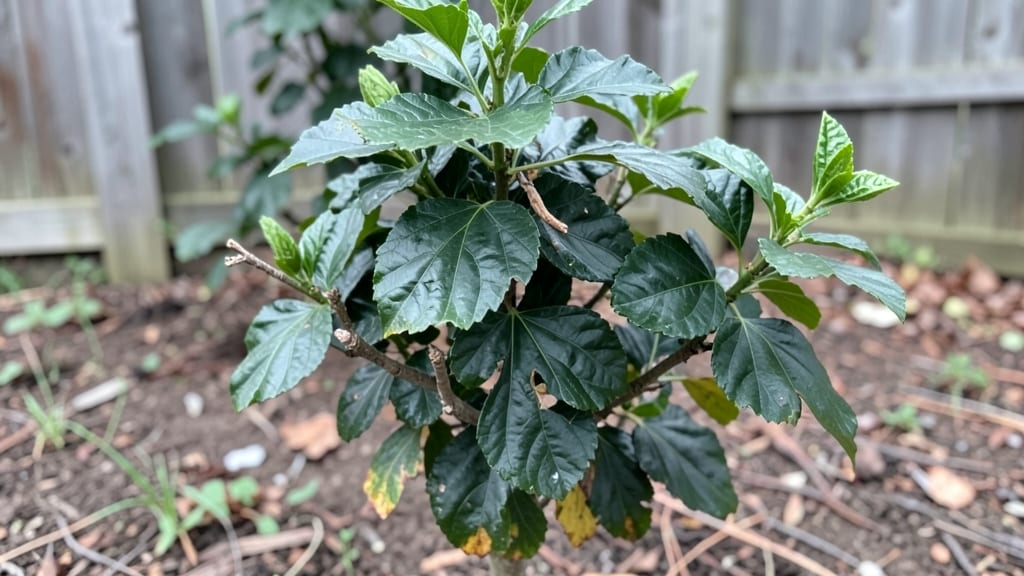
Your hibiscus stopped flowering because its basic needs—light and water—got out of balance. I’ve nursed back multiple hibiscus plants after they hit this slump, and the fix always starts with a simple reset of their care routine.
The good news? Hibiscus are tough plants that bounce back faster than you’d expect once you address the root causes.
Most flowering failures boil down to three mistakes: too much water drowning roots, not enough sunlight starving buds, or last year’s growth crowding out new blooms.
I’ll walk you through each issue—like checking soil moisture with your finger instead of guessing, or moving your plant to a morning-sun spot where it gets 6+ hours of light without afternoon scorching. Even a slight adjustment can trigger blooms within 4-6 weeks.
Once you’ve dialed in light and water, we’ll talk fertilizing—hibiscus need balanced nutrients (not just nitrogen) to produce those bold blooms. Think of it like giving your plant a vitamin shot: a little extra phosphorus and potassium at the right time makes all the difference.
By the end, you’ll have a hibiscus that’s not just surviving, but bursting with color again.
The best part? These fixes work for both tropical hibiscus in pots and hardy varieties in the ground. Whether your plant is wilting from overwatering or hiding buds from lack of light, we’ll get it back on track—no guesswork, just proven steps. Let’s bring those flowers back.
Root Causes Behind Lost Blooms
When your hibiscus plant suddenly stops flowering, it’s often a cry for help—whether from unseen stress, nutritional gaps, or environmental mismatches. Understanding the why behind the silence is the first step to bringing back those vibrant blooms. Let’s dig into the science and uncover the real culprits.
🌱 Overcrowded Roots: Too Much Competition
Hibiscus thrives when its roots have space to breathe and access nutrients. When roots become overcrowded—whether from a pot that’s too small or a garden bed packed with competing plants—they prioritize survival over flowering. Here’s why:
- Limited energy: A root-bound hibiscus diverts its energy to growing more roots instead of producing flowers. Think of it like a student cramming for one exam instead of studying for multiple—the focus shifts entirely.
- Nutrient depletion: Compact soil leads to faster nutrient exhaustion, especially phosphorus and potassium, which are critical for blooming. Without these, the plant can’t trigger flower buds.
- Root stress: Circular root growth (common in small pots) creates girdling roots that strangle the plant’s ability to absorb water and nutrients efficiently.
💡 Pro Tip: If your hibiscus is potted, check for roots circling the pot’s edge. If you see a dense mat, it’s time to repot into a container 2–3 inches larger with fresh, well-draining soil.
☀️ Light Imbalance: Not Enough (or Too Much) Sun
Hibiscus is a sun-worshipper, but like Goldilocks, it needs the light “just right.” Too little, and it won’t bloom; too much, and it can get sunburned or stressed. Here’s the science:
- Insufficient light: Hibiscus needs 6–8 hours of direct sunlight daily to produce flowers. Without enough light, the plant enters a survival mode, focusing on leaf growth instead of blooms. Chlorophyll production slows, reducing energy for flower development.
- Excessive light (or heat): While hibiscus loves sun, intense afternoon heat (especially in zones 9–11) can cause physiological drought stress. The plant conserves water by halting non-essential functions—like flowering—to prioritize root health.
- Seasonal shifts: Shorter winter days naturally reduce flowering, but if your hibiscus blooms year-round in your climate, a sudden drop in light (e.g., moving indoors or cloudy spells) can trigger a halt.
🌡️ Quick Fix: Move your hibiscus to a south- or west-facing window (or under grow lights for 12–14 hours/day if indoors). If outdoors, provide afternoon shade in scorching climates to prevent heat stress.
💧 Watering Woes: Too Much or Too Little
Water is the lifeblood of hibiscus, but improper hydration is a top reason blooms vanish. The plant is sensitive to moisture extremes, and both drought and overwatering send it into flower-fading mode.
- Underwatering: Hibiscus roots need consistent moisture (but not soggy soil). When dehydrated, the plant closes stomata (pores on leaves) to retain water, which stops photosynthesis—and thus, energy for blooms. Severe drought can also trigger abscission (dropping buds before they open).
- Overwatering: Waterlogged soil cuts off oxygen to roots, leading to anaerobic conditions that produce toxic ethanol. The plant’s immune system shuts down, and it stops flowering to focus on survival. Root rot (from Phytophthora or Pythium) can also block nutrient uptake.
- Inconsistent watering: Hibiscus hates boom-and-bust cycles. Alternating between drought and overwatering confuses the plant, causing it to halt flower production until conditions stabilize.
💧 Watering Hack: Stick your finger 2 inches into the soil—if it’s dry, water thoroughly until it drains from the bottom. Use well-draining soil (sandy loam or a mix with perlite) and a pot with drainage holes to prevent soggy roots.
🍽️ Nutrient Deficiencies: Missing the Blooming Trio
Hibiscus flowers are nutrient-hungry, and deficiencies in key elements can stall blooming faster than you’d think. Here’s what’s likely missing:
| Nutrient | Role in Flowering | Deficiency Signs |
|---|---|---|
| Phosphorus (P) | Triggers flower bud formation and root growth. Low P = no blooms. | Dark green or purple-tinged leaves, stunted growth, no new buds. |
| Potassium (K) | Regulates water and nutrient uptake, strengthens cell walls in buds. | Yellowing leaf edges (scorch), weak stems, buds falling off before opening. |
| Magnesium (Mg) | Activates enzymes for photosynthesis and energy transfer to flowers. | Yellow patches between leaf veins (interveinal chlorosis), slow growth. |
💪 Fertilizer Fix: Switch to a balanced, bloom-boosting fertilizer (e.g., 10-30-20 or 5-10-10) high in phosphorus. Apply every 4–6 weeks during growing season (spring–fall). For organic options, try bone meal (for P) or banana peel tea (for K).
🌡️ Temperature & Stress: Out of Its Comfort Zone
Hibiscus is a tropical plant that thrives in warmth but hates extremes. Sudden temperature shifts, cold drafts, or heatwaves can send it into survival mode, halting flowers until conditions improve.
- Cold stress: Hibiscus cannot tolerate temps below 40°F (4°C). Below this, metabolic processes slow to a crawl, stopping photosynthesis and flower production. Even brief chills can cause bud drop.
- Heat stress: Temperatures above 95°F (35°C) for prolonged periods cause protein denaturation in cells, disrupting flower development. The plant may also transpire too quickly, leading to water loss and bud abortion.
- Drafts & AC units: Cold air from vents or fans creates localized stress, mimicking winter conditions and tricking the plant into dormancy.
🌡️ Climate Control Tips:
- Move potted hibiscus indoors before first frost (or
How to solve it
If your hibiscus has stopped flowering, don’t panic—there’s always a way to bring back those vibrant blooms! 🌸 The key lies in addressing the root causes with targeted fixes. Below, we’ve mapped out practical solutions tailored to each common issue, along with preventive tips to keep your hibiscus thriving long-term.
🌞 Insufficient Light? Boost Brightness
Hibiscus plants crave sunlight—at least 6 to 8 hours of direct light daily. If your plant is tucked away in a shady spot, it’s time to move it.
🔥 Step-by-Step Fix:
- 🌿 Relocate the plant to a sunnier spot, like near a south- or west-facing window or a sheltered outdoor area.
- 🌞 Use grow lights (12–16 hours/day) if natural light is limited, especially in winter.
- 🌱 Gradually adjust if moving from shade to full sun—sudden exposure can scorch leaves.
💡 Prevention Tips:
- Rotate the pot every few weeks for even light exposure.
- Avoid deep shade—hibiscus won’t bloom without adequate sunlight.
- Watch for leaf burn—if leaves yellow or crisp, it’s getting too much sun (use sheer curtains to filter light).
💧 Overwatering or Underwatering? Find the Balance
Too much or too little water stresses hibiscus, halting blooms. Stick your finger in the soil—if the top 1–2 inches are dry, it’s time to water.
👨🍳 Fix for Overwatering:
- ⏰ Let the soil dry out between waterings—hibiscus prefers slightly dry conditions.
- 🪴 Use well-draining pots with holes and a saucer (empty excess water after 10 minutes).
- 🌡️ Check humidity—wilting leaves or yellowing stems mean root rot. Trim affected roots and repot in fresh, dry soil.
🥘 Fix for Underwatering:
- 💧 Water deeply until it drains from the bottom, then wait until the topsoil dries.
- 🌧️ Mulch the soil to retain moisture (use organic mulch like straw or bark).
- 📊 Monitor soil moisture—a moisture meter helps avoid guesswork.
🎯 Prevention Tips:
- Water in the morning to reduce evaporation.
- Avoid soggy soil—hibiscus roots need oxygen, not a swamp!
- Adjust for seasons—water less in winter, more in peak heat.
🍽️ Nutrient Deficiency? Feed the Right Way
Hibiscus needs balanced fertilization—too little or too much of the wrong nutrients can stop blooms. Overdoing nitrogen (for leaves) at the expense of phosphorus (for flowers) is a common mistake.
🔪 Step-by-Step Fix:
- 🌱 Switch to a bloom booster—use a low-nitrogen, high-phosphorus fertilizer (like 5-10-5 or 7-9-5).
- 📅 Feed every 4–6 weeks during spring and summer (reduce in fall/winter).
- 🍄 Add compost or worm castings for organic nutrients and better soil structure.
✨ Prevention Tips:
- Avoid over-fertilizing—more isn’t better! Follow package instructions.
- Flush the soil every few months to prevent salt buildup (run water through the pot).
- Test your soil—a simple DIY kit can reveal deficiencies (e.g., yellow leaves = nitrogen; purple stems = phosphorus).
🌡️ Temperature or Wind Stress? Create Ideal Conditions
Hibiscus thrives in warmth (60–90°F) and gentle breezes. Extreme cold, drafts, or harsh winds can shock the plant into dropping buds.
🌬️ Fix for Temperature/Wind Issues:
- 🏡 Move indoors if temperatures drop below 50°F (especially at night).
- 🌿 Use a windbreak (like a trellis or mesh screen) if outdoors in windy areas.
- 🔥 Avoid cold drafts—keep hibiscus away from AC vents, doors, or windows in winter.
💡 Prevention Tips:
- Acclimate slowly if moving between indoor/outdoor spaces.
- Use row covers for young plants in spring/fall.
- Monitor humidity—dry air can stress hibiscus; use a humidifier or pebble tray if indoors.
🪴 Root Bound or Poor Soil? Refresh the Growing Space
Crowded roots or compacted soil starve hibiscus of nutrients and space to grow, leading to fewer blooms.
🔄 Step-by-Step Fix:
- 🌱 Repot every 2–3 years in fresh, well-draining potting mix (use a blend for tropical plants).
- 🪴 Choose a slightly larger pot (just 1–2 inches wider) to encourage root growth.
- 🍂 Prune roots if severely tangled—trim 1/3 of the root ball before repotting.
🎯 Prevention Tips:
- Use lightweight, airy soil—hibiscus hates soggy, clay-heavy mixes.
- Add perlite or sand to improve drainage.
- Check for pests during repotting—remove any grubs or fungus gnats.
With these fixes, your hibiscus should bounce back with bold, healthy blooms in no time! 🌺 Keep an eye on its needs, and soon you’ll be enjoying a floral explosion. For extra motivation, snap a photo of your progress—sometimes seeing the before-and-after makes all the difference!
Frequently asked questions
Why does my hibiscus stop flowering suddenly?
Hibiscus often halts blooming due to light deprivation (less than 6 hours of sun daily) or nutrient imbalances. Overwatering or root-bound conditions also drain energy away from flowers, forcing the plant to prioritize survival. Check soil moisture by sticking your finger 2 inches deep—if dry, water deeply; if damp, let it dry out first.
How do I know if my hibiscus needs more light?
Look for long, leggy stems or leaves that stretch toward light—clear signs of insufficient sunlight. If your hibiscus is indoors, move it to a south-facing window or supplement with grow lights for 12-14 hours/day. Gradually adjust to avoid leaf scorch.
Can I revive my hibiscus after it stops flowering?
Start by repotting if roots are crowded, then switch to a low-nitrogen, high-phosphorus fertilizer (like 5-10-5) every 4-6 weeks. Prune dead growth and ensure consistent moisture—not soggy soil. With these adjustments, blooms often return within 4-6 weeks.
Why are my hibiscus leaves yellow but still flowering?
Yellowing leaves usually signal overwatering or nutrient deficiencies. Check soil moisture—if it’s damp, let it dry out. For yellowing, try Epsom salt (1 tablespoon per gallon of water) monthly to boost magnesium. Avoid fertilizing until the soil is dry to prevent salt buildup.
Is it normal for hibiscus to stop flowering in winter?
Yes! Hibiscus are tropical plants and naturally slow down in cooler months. If indoors, provide 12 hours of light daily (grow lights help) and reduce watering. Move potted plants to a warm spot (above 50°F) away from drafts. Spring blooms will return when days lengthen again.