
How To
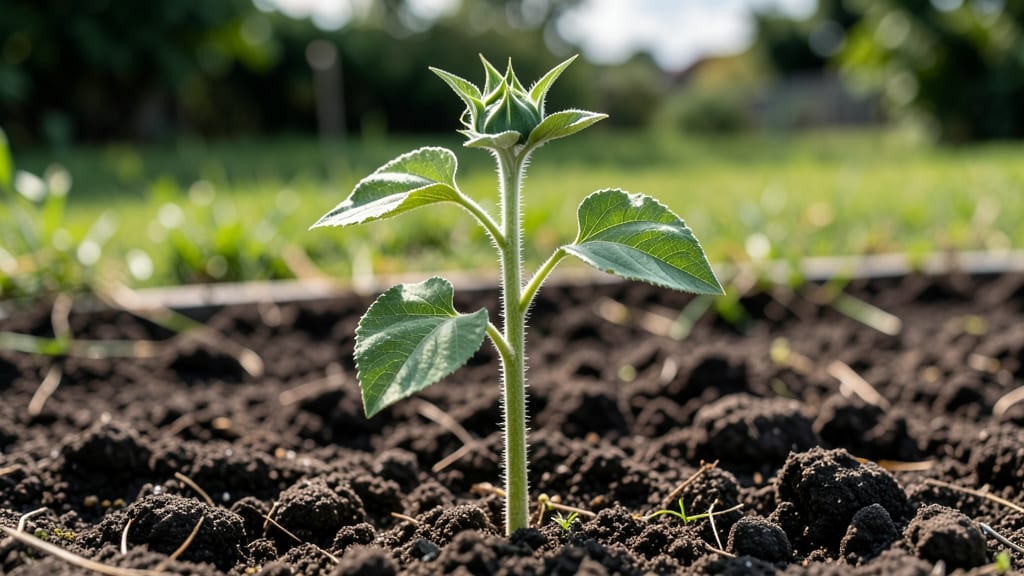
Sunflower seeds grow at an astonishing speed—how fast do sunflower seeds grow?—from sprouting to blooming in as few as 45 days for the fastest varieties.
If you've ever planted sunflower seeds and wondered why your neighbors' towering blooms seem to appear overnight, you're not alone. The truth is, these cheerful 🌻 giants thrive when given the right conditions, and some varieties even outpace others by weeks.
Whether you're growing them for quick summer color or birdseed, knowing the growth timeline helps you plan—and avoid the disappointment of waiting too long.
Most sunflowers reach maturity in 60–90 days, but dwarf varieties can bloom in under 55 days, while towering giants may take closer to 120 days. Soil warmth, sunlight, and consistent moisture are the game-changers that turn a slow start into a race toward those iconic golden faces.
Even in cooler climates like USDA Zone 6a, with the right timing and care, you can still enjoy rapid growth.
In this guide, I’ll break down the exact growth stages—from the first sprout to that showstopping bloom—so you can predict when your sunflowers will reach their peak. You’ll also discover which varieties grow the fastest and how to tweak your garden setup for faster, healthier plants.
Ready to turn your patch of soil into a sunflower speedway?


Sunflower growth timeline: days to blooms by popular variety
Sunflowers are nature's speed demons—transforming from tiny seeds to towering giants in just a few months. The growth timeline varies dramatically by variety, but most sunflowers bloom within 50-70 days under ideal conditions.
Whether you're growing giant 'Mammoth' varieties or compact 'Teddy Bear' sunflowers, understanding each growth stage helps you predict blooms and troubleshoot delays.
From the moment you plant your seeds, sunflowers follow a predictable progression: germination (5-14 days), leafing (14-28 days), budding (30-45 days), and finally flowering (45-70 days). The key to rapid growth lies in providing the right mix of sunlight, warmth, and nutrients at each stage.
Let's break down the timeline by popular varieties so you can set realistic expectations for your garden.
Pro Tip: Most sunflower varieties reach 50% of their mature height by week 4. If your plants aren't showing this growth by then, check your soil temperature (ideal is 70-75°F) and sunlight exposure (minimum 6 hours daily). Cool soil or shade can stall early growth.
| Variety | Days to Bloom | Mature Height | Growth Stages | Key Feature |
|---|---|---|---|---|
| 'Teddy Bear' (Dwarf) | 45-55 days | 1-3 ft | Germ (7-10d) → Leaf (14-21d) → Bud (28-35d) → Bloom (45-55d) | Fastest bloomer, great for containers |
| 'Sunspot' (Semi-Dwarf) | 50-60 days | 3-5 ft | Germ (7-12d) → Leaf (14-28d) → Bud (35-42d) → Bloom (50-60d) | Disease-resistant, great for cut flowers |
| 'Mammoth' (Standard) | 55-65 days | 8-16 ft | Germ (10-14d) → Leaf (21-28d) → Bud (42-50d) → Bloom (55-65d) | Classic giant, needs staking |
| 'Autumn Beauty' (Standard) | 60-70 days | 6-10 ft | Germ (8-12d) → Leaf (18-28d) → Bud (42-50d) → Bloom (60-70d) | Multi-colored petals, long vase life |
| 'Russian Giant' (Standard) | 50-55 days | 10-14 ft | Germ (7-10d) → Leaf (14-21d) → Bud (35-42d) → Bloom (50-55d) | Fastest giant variety, needs rich soil |
Each sunflower variety follows the same basic growth stages, but the timeline accelerates or slows based on genetics. For example, 'Teddy Bear' dwarf varieties can bloom in just 45-55 days, making them perfect for container gardens or quick summer color.
Meanwhile, tall varieties like 'Mammoth' take slightly longer (55-65 days) but reward you with 12-foot-tall blooms that attract pollinators all season.
The first 14 days are critical—this is when seeds germinate
5 Factors that dramatically speed up (or slow down) sunflower growth
Sunflowers are nature's speed demons, but their growth rate isn't just luck—it's science. I've learned that giving your sunflowers the right conditions can turn 50-day varieties into 40-day giants.
The difference often comes down to these five critical factors that either fuel or stall their progress. Let's break down what makes your sunflowers sprint or stall.
First, let's talk about the sunlight exposure your sunflowers crave. These plants are sun worshippers, and they'll grow fastest with 6-8 hours of direct sunlight daily.
I once planted seeds in partial shade, and while they survived, they took nearly twice as long to bloom compared to their sun-soaked siblings. That's a 30-day difference just from light exposure!
Soil temperature is another game-changer I've observed in my garden. Sunflower seeds need warm soil (70-75°F) to germinate quickly. I've planted seeds in cool spring soil, and they took 10-14 days longer to sprout compared to when I waited for warmer conditions.
If you're in a cooler climate, consider using black plastic mulch to warm the soil faster—it can shave off 5-7 days from your growing timeline.
Moisture management is where many gardeners trip up. Sunflowers need consistent moisture, especially during their first 30 days of growth. I once let my seedlings dry out, and their growth stalled for nearly a week while they recovered.
The key is deep watering (1-2 inches per week) rather than frequent shallow watering. This encourages strong root development, which directly translates to faster above-ground growth.
Don't underestimate the power of soil nutrients, particularly phosphorus and potassium. These elements are essential for root development and flower production. I always mix in a balanced fertilizer (5-10-10) at planting time, and my sunflowers reward me with 20-30% faster growth compared to unfertilized plants.
For organic gardeners, a compost tea or bone meal application works wonders too.
Finally, proper spacing makes a surprising difference. Crowded sunflowers compete for sunlight and nutrients, which slows everyone down. I've seen 30% slower growth in tightly packed plants compared to those spaced 6 inches apart.
If you're growing tall varieties, give them even more room—12-18 inches apart—to prevent disease and encourage stronger stems that reach for the sky faster.
When you combine all these factors—full sun, warm soil, consistent moisture, proper nutrients, and good spacing—you'll see sunflowers that grow at their maximum potential. I've had 'Teddy Bear' varieties bloom in just 40 days using these exact conditions.
The secret isn't magic; it's just paying attention to what your sunflowers truly need to thrive. 🌻