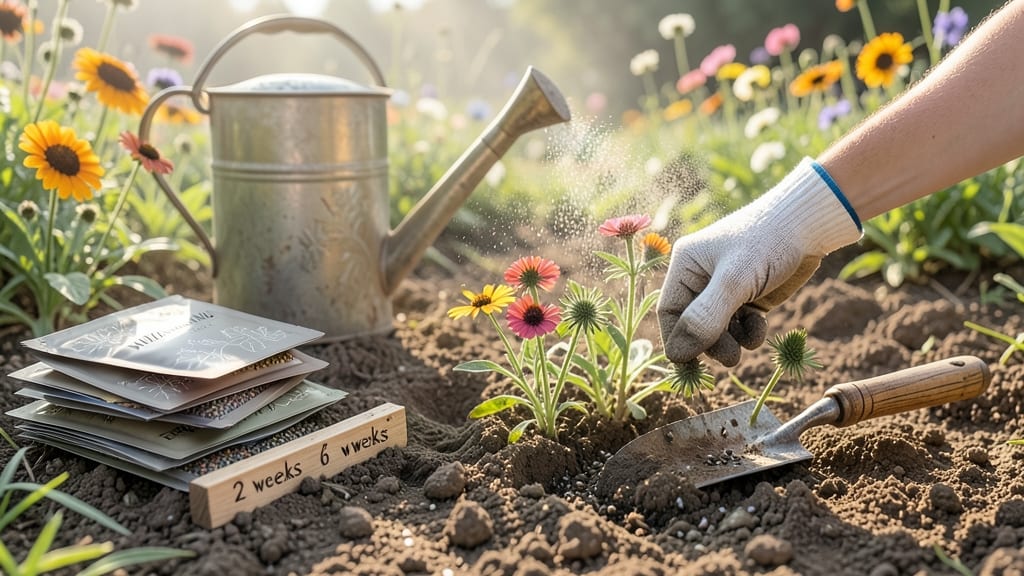
How fast do wildflower seeds grow—it’s a question that surprises even seasoned gardeners, with some popping up in as little as 7 days, while others take 60 days or more to show their first blooms 🌼.
Picture this: you scatter seeds in March, water them lightly, and by late May, your yard is a riot of color. But if your soil is too dense or the weather turns cold, those same seeds might sulk for weeks before finally breaking through.
The difference isn’t luck—it’s science, and I’m breaking down exactly what controls the pace.
From fast-blooming annuals like cosmos (which can flower in 6–8 weeks) to patient perennials like black-eyed Susans (which may wait until their second year), the timeline depends on more than just time.
Soil moisture, sunlight, and even the type of wildflower you’ve chosen play starring roles in how quickly your meadow takes shape.
In this guide, you’ll discover the realistic growth charts for popular wildflowers, plus pro tips to speed up germination—so you can enjoy those vibrant blooms faster than you thought possible.
📈
Wildflowers Growth Timeline
0.5–6 ft (species-dependent)
Mature
Wildflower seed germination & growth speed chart by type
If you're eager to see your wildflower garden transform from bare soil to a vibrant meadow, timing is everything.
Some wildflowers like cosmos and zinnias can burst into bloom in as little as 6–8 weeks, while others like black-eyed Susans and coneflowers take 3–4 months to reach their full glory. Understanding these timelines helps you plan for the most stunning seasonal displays and avoid disappointment.
The key difference lies in whether you're planting annuals (which complete their life cycle in one season) or perennials (which return year after year).
Annual wildflowers like sweet alyssum and bachelor’s buttons are the speed demons of the garden, often germinating in 7–14 days and blooming within 4–6 weeks. These fast growers are perfect for filling gaps in your garden or creating instant color.
On the other hand, perennial wildflowers like bee balm and lavender focus on establishing strong root systems before flowering, which can take 8–12 weeks or longer. This slower growth means they’ll reward you with years of blooms, but patience is required upfront.
Below is a detailed growth speed chart that breaks down the germination times, full bloom periods, and mature heights for popular wildflowers. Use this as your roadmap to track progress and adjust care as needed.
For example, if you plant cosmos in early spring, you can expect the first blooms by early summer, while coneflowers planted at the same time might not peak until late summer or early fall.
| Wildflower Type |
Germination Time |
Time to First Bloom |
Mature Height |
Full Bloom Period |
Notes |
| Cosmos (Annual) |
7–14 days |
6–8 weeks |
2–4 ft |
Summer to frost |
Self-seeds easily; drought-tolerant |
| Zinnias (Annual) |
7–10 days |
6–10 weeks |
1–4 ft |
Summer to fall |
Attracts pollinators; deadhead for longer blooms |
| Black-Eyed Susan (Perennial) |
14–21 days |
8–12 weeks |
2–3 ft |
Late summer to fall |
Drought-resistant; spreads over time |
| Coneflowers (Perennial) |
10–21 days |
8–12 weeks |
2–5 ft |
Summer to early fall |
Excellent for pollinators; long-lasting blooms |
| Sweet Alyssum (Annual) |
5–10 days |
4–6 weeks |
3–6 in |
Spring to frost |
Fragrant; great for borders |
| Bachelor’s Buttons (Annual) |
Soil conditions that double (or halve) wildflower growth speed
Your wildflower seeds might sprout in 7–14 days under perfect conditions—but the same seeds could take 30+ days or fail entirely if your soil is wrong. The difference often comes down to four key factors: pH balance, drainage, sunlight exposure, and organic matter.
Let’s break down how each one can make or break your wildflower timeline.
Most wildflowers thrive in slightly acidic to neutral soil (pH 6.0–7.0). A pH below 5.5 or above 7.5 can stunt germination by 50% or more. For example, black-eyed Susans and cone flowers love neutral soil, while lupines prefer slightly acidic conditions.
Testing your soil with a simple $10 home kit can save you months of frustration.
Poor drainage is the silent killer of wildflower dreams. Seeds left sitting in soggy soil rot before sprouting, while overly sandy soil dries out too quickly, halting growth.
Aim for well-draining soil—think loamy or slightly gravelly mixes. If your yard holds water after rain, amend with compost or perlite to improve airflow and moisture control.
⚠️ CALLOUT WARNING ⚠️
🌱 3 Mistakes That Kill Wildflower Growth (Fix Them Now!)
- Overwatering: Soggy soil suffocates seeds. Water lightly (just enough to moisten the top inch) and never use a hose on seedlings.
- Buried Seeds: Most wildflowers need light to germinate. Press seeds into soil—don’t bury deeper than 1/4 inch.
- Ignoring Weeds: Crabgrass and clover compete for nutrients. Mulch lightly with straw to block weeds without smothering sprouts.
💡 Pro Tip: Scatter seeds in fall for a head start—cool temps and spring rains handle the rest!
Sunlight is non-negotiable for wildflowers. While some shade-tolerant varieties (like columbine) survive with 3–4 hours of sun, most need 6+ hours daily to bloom on schedule. If your garden is shady, choose partial-shade wildflowers like foxglove or bleeding heart—but expect slower growth and fewer blooms.
Organic matter is the secret weapon for speedy growth. Wildflowers fed with compost or well-rotted manure can germinate 2x faster and produce 30% more blooms than those in bare soil.
Work in 2–3 inches of compost before planting, or top-dress established beds annually. Avoid fresh manure—it can burn delicate seedlings.
Temperature also plays a hidden role. Most wildflower seeds germinate best in 60–75°F soil. If your spring is chilly, start seeds indoors under grow lights or wait until after the last frost. In hot climates, fall planting lets seeds soak up winter moisture and sprout early spring.
By tweaking just these four factors, you can double your wildflower growth speed—or fix the mistakes that might be halving it. Start with a soil test, improve drainage, and give your seeds the sunlight they crave. Your meadow’s first blooms could arrive weeks sooner than expected! 🌻
★★★★★5.0(6 reviews)
|