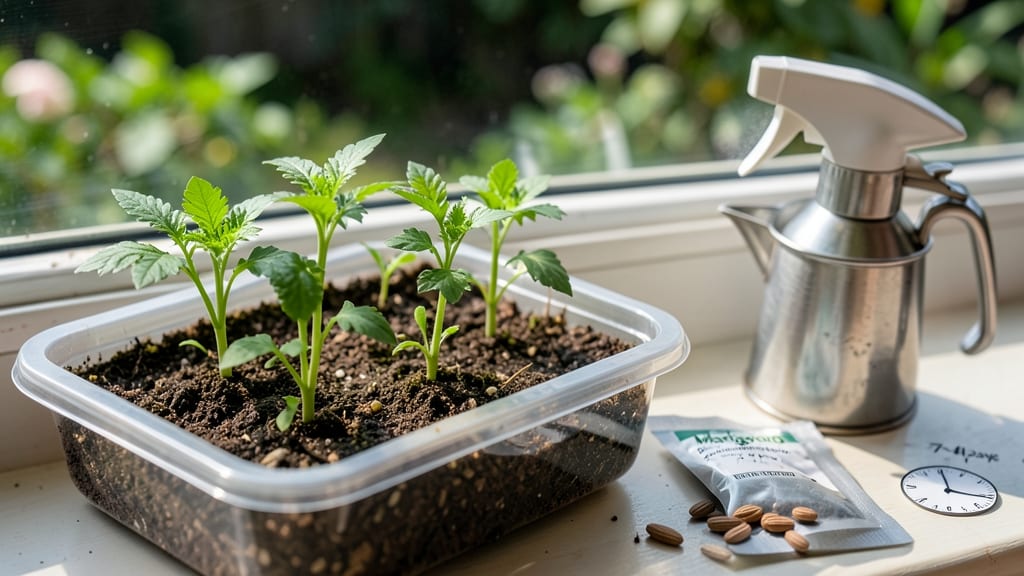
Growing flower seeds from scratch takes anywhere from 30 to 120 days to reach full bloom, depending on the type — and knowing the exact timeline for your favorite 🌸 is the difference between a patient gardener and one who gives up halfway.
Picture this: you’ve sown your seeds in early spring, carefully tended to them, and now you’re staring at tiny green sprouts wondering, “When will these actually flower?” The answer isn’t just a number—it’s a process shaped by soil warmth, sunlight, and even the type of flower you’re growing.
Some annuals like marigolds or zinnias burst into color in as little as 6 to 8 weeks, while perennials like lavender or coneflowers can take 3 to 4 months to mature.
Below, I’ll break down the stages—germination, seedling growth, and flowering—so you can track progress and troubleshoot delays before they happen.
Ready to turn those seeds into a showstopping garden? You’ll learn how to speed up growth, spot common mistakes, and adjust your care routine for faster, healthier blooms—no guesswork required.
📈
Flower Growth Timeline
Varies (0.1-10 ft)
Mature
Flower seed germination to bloom timeline: exact days by popular type
Understanding the seed germination timeline for your favorite flowers helps set realistic expectations. Some annual flowers like marigolds burst into bloom in just 6-8 weeks, while perennial flowers like lavender may take 3-5 months to reach their first flowering stage.
The key is knowing each plant's growth stages—from seedling emergence to bud formation—and how environmental factors like soil temperature and sunlight exposure influence these timelines.
Every flower has its own germination speed and time to bloom. Fast growers like zinnias can produce flowers in as little as 60 days, while slower varieties like foxglove may take 100+ days.
Below, we break down the exact growth stages for 12 popular flowers, including annuals and perennials, so you can plan your garden with precision.
The seed germination timeline starts with the first sprout breaking through the soil, followed by the seedling stage where true leaves appear. Next comes vegetative growth, where the plant focuses on developing roots and foliage before finally entering the flowering stage.
Each stage's duration varies, but knowing these growth milestones helps you troubleshoot delays and optimize care.
For example, cosmos flowers germinate in just 5-7 days and bloom in 70-80 days, making them ideal for quick color. Meanwhile, black-eyed susans take 10-14 days to sprout but require 90-120 days to flower. These differences highlight why planting schedules and seasonal timing are critical for success.
Below is a growth timeline comparison for 12 popular flowers, including annuals like zinnias and perennials like coneflowers. Use this as your guide to track progress and adjust care routines as needed.
| Flower Type |
Germination Time |
Seedling Stage |
Time to Bloom |
Total Days to Flower |
Key Notes |
| Marigold (Annual) |
5-10 days |
14-21 days |
45-55 days |
60-75 days |
Fast-growing; thrives in heat |
| Zinnia (Annual) |
7-14 days |
14-28 days |
60-70 days |
75-90 days |
Cut flowers for long stems |
| Sunflower (Annual) |
7-14 days |
21-28 days |
70-90 days |
85-110 days |
Tall varieties need staking |
| Cosmos (Annual) |
5-7 days |
10-14 days |
60-70 days |
70-80 days |
Drought-tolerant once established |
| Lavender (Perennial) |
14-28 days |
How to speed up flower seed growth: pro tips for faster blooms
If you're eager to see those colorful blooms faster, you're not alone! Many gardeners rush to check their seed packets, wondering why their flower seeds take so long. The good news? With the right techniques, you can cut germination time by up to 50% and encourage earlier blooms.
The secret lies in understanding your seeds' needs and giving them the perfect conditions from day one.
Every seed has a built-in timeline, but factors like soil temperature, moisture levels, and light exposure can dramatically speed up or slow down growth. For example, marigolds might sprout in 7 days with ideal care, while lavender could take 30 days or more.
The key is to work with nature's rhythms while giving your seeds a little extra boost.
🌱 Pro Tips to Speed Up Flower Seed Growth
-
1
Pre-soak stubborn seeds like delphiniums or foxgloves in warm water for 12-24 hours to soften the seed coat. This mimics natural rainfall and can trigger faster germination.
-
2
Use bottom heat by placing seed trays on a seedling mat set to 70-75°F. This mimics spring soil warmth and can double germination speed for cool-season flowers like pansies.
-
3
Scarify hard-coated seeds like lupines or peony by lightly sanding them with fine-grit sandpaper or nicking them with a knife. This breaks dormancy and lets water penetrate faster.
-
4
Provide consistent moisture by using a spray bottle to mist seeds daily. Keep soil evenly damp (not soggy) to prevent damping off, a fungal disease that kills seedlings in 3-5 days.
-
5
Use grow lights if natural light is less than 6 hours/day. Place lights 2-3 inches above seedlings and use them for 14-16 hours/day to mimic summer conditions and boost growth hormones.
Light is another critical factor for speedy growth. Most flower seeds need bright, indirect light during germination, but once they sprout, they crave full sun. If you're starting seeds indoors, place them near a south-facing window or supplement with LED grow lights.
Avoid placing them under hot lamps, which can overheat and dry out your delicate seedlings.
For slow-to-germinate seeds, like snapdragons or dahlias, try the "warm stratify" trick. Place seeds in a paper towel with a little water, seal them in a ziplock bag, and refrigerate for 1-2 weeks.
Then, move them to a warm spot (like on top of your fridge) to kickstart growth. This mimics the natural temperature fluctuations seeds experience in the wild.
Finally, don’t forget to thin your seedlings once they’ve developed their first true leaves. Overcrowding slows growth because seedlings compete for nutrients and light. Use clean scissors to snip off weaker plants at soil level, leaving the strongest 2-3 seedlings per pot.
This might seem harsh, but it accelerates growth for the winners by reducing competition.
With these science-backed tips, you’ll be well on your way to faster blooms and a show-stopping garden in no time. Happy growing! 🌸
★★★★★4.6(14 reviews)
|