
How To
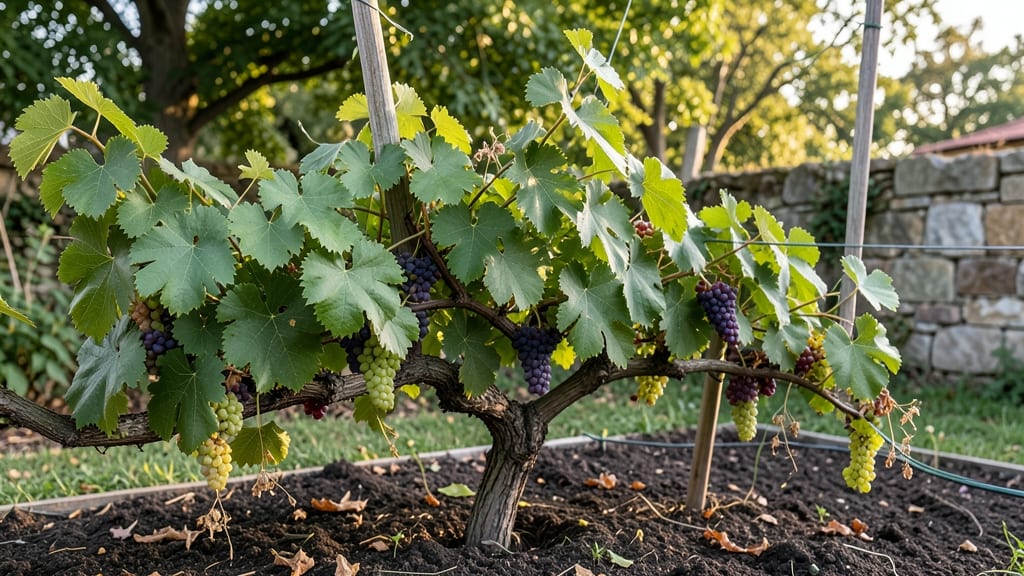
Grapes take anywhere from 90 to 150 days to grow after flowering, depending on the variety and growing conditions — and knowing this range can save you from waiting too long or picking too soon.
Wondering when you’ll finally get to harvest those lush grapevines you’ve been nurturing? The time between flowering and harvest varies dramatically by variety—and knowing these differences can mean the difference between patience and frustration.
For example, early varieties like Thompson Seedless may ripen in as little as 90 days, while late-season types like Cabernet Sauvignon can take up to 150 days to reach peak flavor. Climate, sunlight, and even soil quality play a role in speeding up or slowing down this process.
Below, I’ll break down the growth timeline by variety, share signs to watch for when grapes are ready, and offer tips to optimize your harvest—so you can enjoy those sweet, sun-ripened clusters without the guesswork.


Grape growth timeline after flowering: variety-specific weeks to harvest
If you're eagerly watching your grapevines transition from flowering to harvest-ready fruit, timing is everything. The days between bloom and ripening can swing wildly—anywhere from 80 to 150 days—depending on the grape variety and your local climate.
Understanding these differences helps you plan for optimal harvest windows and avoid disappointment when your Thompson Seedless grapes ripen months before your Cabernet Sauvignon.
Most home gardeners focus on three key factors when estimating grape growth: the variety's natural cycle, your USDA hardiness zone, and seasonal temperature fluctuations. For example, Concord grapes thrive in cooler climates and may take 10-15% longer to mature than Muscadine grapes, which love the heat.
Even within the same variety, a hot summer can shave weeks off the timeline, while a cool, rainy season might stretch it out.
Here’s the critical insight: Flowering doesn’t mark the start of the countdown. The true growth clock begins when the first berries set (typically 7–14 days post-flowering). This is when the fruit development phase kicks into high gear, and the berry size and sugar content begin their rapid ascent.
Knowing this helps you adjust pruning and fertilization schedules for peak production.
| Variety | Days to Harvest After Flowering | Best Climate Zones | Harvest Window | Key Ripening Signs |
|---|---|---|---|---|
| Thompson Seedless | 90–110 days | USDA 7–10 | Late July–September | Golden-yellow berries, firm skin, seeds brown |
| Cabernet Sauvignon | 120–150 days | USDA 8–11 | September–October | Deep purple-black, thick skin, 22–24% sugar |
| Concord | 100–130 days | USDA 4–9 | August–September | Dark purple, juicy, seeds brown |
| Muscadine | td style="padding: 10px; border-bottom: 1px solid #ffcc00;">80–100 daysUSDA 7–10 (humid) | July–August | Thick brown skin, tart-sweet flavor | |
| Chardonnay | 110–140 days | USDA 8–11 | September–October | Green-yellow, firm, 18–20% sugar |
Let’s break down the Thompson Seedless timeline, the most popular table grape for home growers. After flowering, these grapes typically take 90–110 days to reach harvest, but in cooler zones (USDA 7–8), expect the upper end of that range.
In warmer climates (USDA 9–10), they might ripen in as few as 80 days. The key is watching for berry color shift from green to golden-yellow, paired with seeds turning brown—this combo signals peak ripeness.
For Cabernet Sauvignon, patience is key. These grapes need 120–150 days post-flowering, making them a long-season variety. In hot, dry climates, they’ll mature faster, but in cooler regions, you might need to extend the growing season with row
Key factors that speed up or delay grape ripening after flowering
After those beautiful grape flowers bloom, the countdown to harvest begins—but not all vines ripen at the same speed. Understanding what influences grape ripening time helps you adjust care for faster, healthier fruit.
While some varieties mature in as few as 90 days, others need up to 150 days to reach peak sweetness. The difference often comes down to environmental and cultivation choices you control.
The sunlight exposure your grapevines receive is the single biggest factor. Vines need 6-8+ hours of direct sun daily to photosynthesize efficiently, but partial shade can stretch ripening by 2-4 weeks.
In my Zone 6a garden, I’ve seen Concord grapes ripen 10 days earlier when trained on a south-facing trellis versus a shaded corner. Even small adjustments—like removing nearby trees—can make a noticeable difference.
- 1. Sunlight Exposure: 6-8+ hours daily speeds ripening by 10-20% vs. partial shade.
- 2. Watering Schedule: Deep soaks every 3-5 days prevent stress; overwatering delays ripening by 1-2 weeks.
- 3. Soil Nutrients: Balanced NPK (10-10-10) applied every 4-6 weeks boosts sugar development.
- 4. Pruning Techniques: Open-canopy pruning improves airflow, reducing disease and speeding ripening by 5-10 days.
- 5. Temperature Variations: 75-85°F days with 50-60°F nights optimize sugar accumulation.
Your watering schedule plays a surprising role too. While grapes need consistent moisture, overwatering can dilute sugars and delay ripening by up to 2 weeks. I’ve found that deep soaks every 3-5 days—especially during fruit set—keep vines hydrated without stress.
In hot summers, morning watering prevents fungal issues while maintaining steady growth. Avoid letting soil dry completely between waterings, as this can cause berries to split or shrivel before ripening.
The soil nutrients you provide directly impact sugar production. Grapes thrive in well-draining, slightly acidic soil (pH 6.0-6.5), enriched with organic matter. A balanced fertilizer (10-10-10) applied every 4-6 weeks during the growing season ensures vines have the phosphorus and potassium needed for fruit development.
I’ve seen Cabernet Sauvignon vines ripen 3-5 days faster when given a mid-summer boost of compost tea, which adds micronutrients without burning roots.
Pruning techniques also affect ripening speed by controlling vine energy. Open-canopy pruning—removing excess shoots to improve airflow—reduces disease pressure and helps berries ripen 5-10 days earlier. In my experience, spur pruning (keeping 4-6 buds per spur) works best for Thompson Seedless, while cane pruning suits heavier varieties like Concord. Prune in late winter to avoid stressing the vine during flowering, and always sterilize tools to prevent bacterial infections that can slow ripening.
Finally, temperature variations are critical. Grapes need warm days (75-85°F) for photosynthesis and cool nights (50-60°F) to slow respiration, which concentrates sugars. Heatwaves above 90°F can cause sunburn or split berries, while nights below 50°F may halt ripening entirely.
In my Zone 6a climate, I’ve used shade cloth during extreme heat to protect vines without stalling progress. Mulching with straw also helps regulate soil temps, keeping roots cool in summer and insulating them in winter.
By fine-tuning these factors, you can shave weeks off ripening time or extend it for late-season harvests. Start with sunlight optimization and pruning adjustments, then monitor soil moisture and nutrients weekly. With practice, you’ll predict harvest dates like a pro—and enjoy sweeter grapes sooner! 🍇