
Light Requirements
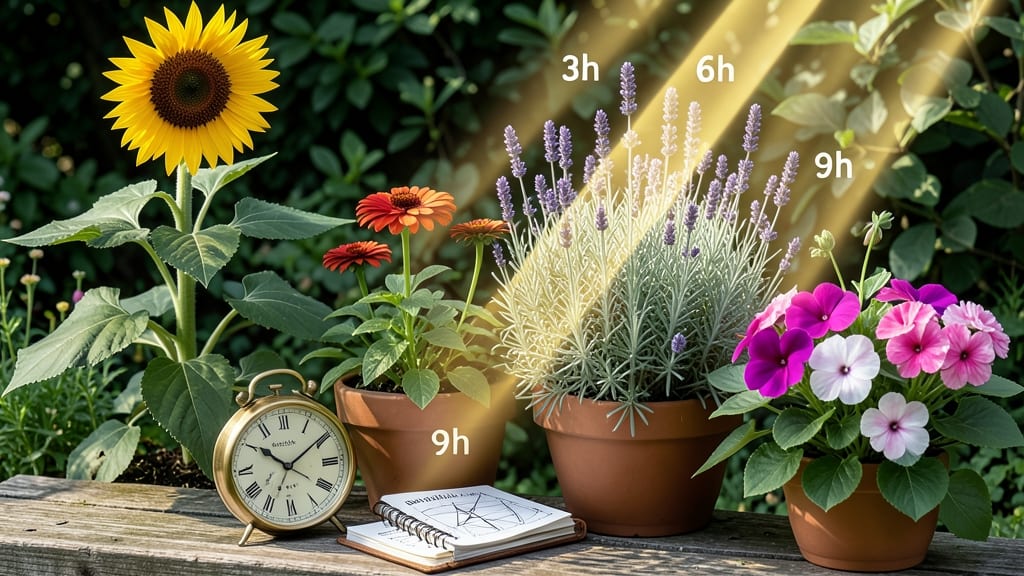
Flowers need sunlight to bloom beautifully, but the right amount depends on the type—some crave full sun while others thrive in shade.
Struggling to keep your garden vibrant? Too little light and your 🌸 flowers stretch and droop; too much, and they crisp like overcooked veggies. The secret is matching their needs—roses demand 6+ hours of direct sun, while impatiens prefer dappled shade.
Not all sunlight is equal: morning light is gentler than harsh afternoon rays, and your yard’s microclimates (like that shady corner next to the fence) change what works. I’ll break down the exact hours for popular flowers and how to tweak their spot for peak performance.
Ready to stop guessing? You’ll learn how to spot sunlight stress, adjust for your climate, and even revive struggling blooms with simple fixes.
 Best Window Placement
Sunlight requirements for popular flowers: full sun vs. partial shade vs. full shade
Understanding how much sunlight your flowers need is the first step to a thriving garden. Full sun means 6+ hours of direct sunlight, while partial shade offers 3-6 hours, and full shade means less than 3 hours.
Misjudging sunlight can lead to weak stems, sparse blooms, or even plant death. Let’s break down the exact light requirements for your favorite flowers so you can place them perfectly in your garden.
Most plant tags use symbols like ☀️ for sun or ☁️ for shade, but these can be vague. For example, a rose bush labeled "full sun" might actually thrive with 6-8 hours, while a hosta marked "partial shade" might need only 2-4 hours.
Microclimates—like the shady spot under a tree or the hot, exposed south-facing wall—can change these needs. Pay attention to how light shifts throughout the day and season.
| Light Type | Sunlight Hours | Best Flowers | Examples | Garden Spot |
|---|---|---|---|---|
| Full Sun ☀️☀️☀️ | 6+ hours | Sun-loving |
|
South/west-facing beds, raised beds |
| Partial Shade ☀️☁️ | 3-6 hours | Moderate light |
|
East-facing beds, under dappled trees |
| Full Shade ☁️☁️☁️ | <3 hours | Shade-tolerant |
|
North-facing beds, under dense trees |
If you’re unsure about your garden’s sunlight, observe it for a week. Use a sunlight tracker or mark areas with chalk to see how light moves.
For example, a morning sun spot might get only 3 hours of light, making it perfect for partial shade plants like coleus, while a south-facing wall could deliver 8+ hours, ideal for sunflowers or roses.
Container gardens add another layer of flexibility. Rotate pots quarter-turns weekly to ensure even sunlight exposure. For instance, a petunia in a pot on your patio might need moving from morning sun to afternoon shade during peak summer heat.
Always check the plant tag for guidance, but remember: microclimates rule. A spot near a brick wall or pavement can be 10°F hotter than nearby areas, stressing sun-loving plants.
Seasonal changes also affect sunlight needs. In summer, days are longer, but intense heat can scorch leaves, so partial shade might be better than full sun. Conversely, winter days are shorter, and what was partial shade in summer could become full sun exposure.
Adjust by moving containers or using shade cloth (30-50% coverage) to filter harsh light.
Don’t overlook the soil and mulch connection. Dark mulch absorbs heat, increasing root zone temperatures—great for sun-loving flowers but harmful to shade plants. Use light-colored mulch or gravel in hot, sunny spots to reflect excess heat.
For shade gardens, add organic mulch like wood chips to retain moisture and cool roots.
When in doubt, start with easy-care flowers like zinnia or impatiens, which tolerate a range of light conditions. If your roses or sunflowers look leggy or bloom poorly, they’re likely crying out for more sun.
Conversely, yellowing leaves or stretched stems on shade plants signal they need less light. Adjust gradually—don’t move a full-sun plant to deep shade overnight, or it may struggle to adapt.
Pro tip: Group flowers by sunlight needs to simplify care. Dedicate a sunny border for lavender and marigolds, a partial shade bed for begonias and snapdragons, and a shady corner for hostas and ferns.
This way, you’ll spend less time moving plants and more time enjoying their blooms.
Remember, every garden is unique. What works in your neighbor’s yard might not suit your space. Experiment, observe, and adjust—your flowers will thank you with vibrant blooms all season long! 🌸
How to adjust sunlight for flowers in different climates and seasons
Adjusting sunlight for your flowers isn't just about finding the perfect spot—it's about understanding how seasonal changes and local climates impact their growth. In hot desert climates, intense midday sun can scorch delicate petals, while northern gardens struggle with short winter days.
Even urban areas with tall buildings create unexpected shade patterns. The key is flexibility: knowing when to prune for airflow, use shade cloths, or reposition containers.
Let's start with the basics: most flowers thrive with 6-8 hours of sunlight daily, but this varies dramatically. Sun-loving roses need full sun, while impatiens prefer dappled shade. The challenge? Your garden's sunlight changes with the seasons.
Summer brings longer days but harsher light, while winter offers gentler but limited exposure. Even the same plant may need different care in June vs. December.
⚠️ callout warning
Many gardeners assume morning sun equals full sun exposure, but afternoon intensity can still cause damage. A 3-hour morning sun spot may feel ideal, but those hours often pack 50% more UV radiation than gentle winter light. Always measure peak sunlight hours (10 AM - 4 PM) when positioning plants.
🌡️ Pro Tip: Use a light meter app or observe your garden for 2 weeks to track actual light patterns.
For hot climates, I recommend using 30-50% shade cloths during peak summer months (June-August) to protect heat-sensitive flowers like hydrangeas or dahlias. These fabrics filter UV rays while maintaining airflow, preventing both scorching and fungal issues from trapped heat.
In my own Zone 8b garden, I've seen geraniums thrive with afternoon shade cloths that I remove in spring and fall when temperatures drop.
Winter presents its own challenges, especially in northern latitudes. When daylight drops below 6 hours daily, many flowers enter dormancy. However, indoor container gardening can extend their season. Place sun-loving succulents near south-facing windows and rotate pots weekly to ensure even light exposure.
For outdoor beds, group shade-tolerant flowers like heucheras or bleeding hearts together—their foliage creates natural microclimates that protect more sensitive blooms.
Urban gardeners face unique sunlight challenges due to building shadows and reflective surfaces. I once had a petunia bed that looked perfect until July, when a new office building cast 3 hours of unexpected shade. The solution?
I elevated half the containers onto brick planters and added reflective mulch (white gravel) to bounce extra light onto the shaded sides. This simple adjustment kept my annuals blooming 3 weeks longer than neighbors with identical varieties.
Seasonal adjustments don't stop at moving plants. Pruning strategies change with sunlight availability too. In high-sun areas, I prune roses heavily in early spring to encourage bushier growth that can better handle summer intensity.
But in low-light spots, I do minimal pruning—just removing dead wood—to preserve the plant's energy for limited photosynthesis. And remember: evergreen shrubs like boxwoods act as natural windbreaks that also modify light exposure for nearby flowers.
Start with small, reversible changes: move one container to test a new spot, or drape shade cloth over half your tomato plants (yes, they're flowers too!). Track which adjustments make the biggest difference in bloom quantity and leaf health.
Your flowers will thank you with vibrant colors and stronger stems—no matter what Mother Nature throws their way. 🌿