
Watering
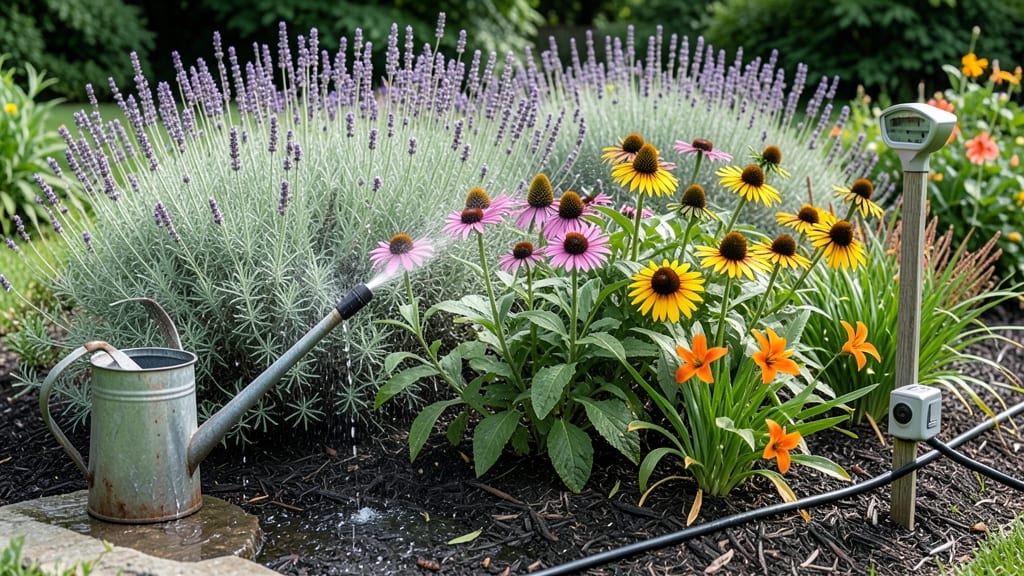
Watering flower beds the right way means knowing how often to water, not just when to grab the hose.
Most gardeners overdo it—drowning roots while thinking they’re helping. The truth? Your 🌸 flower bed thrives when soil is moist but never soggy, and that balance depends on more than just a weekly schedule. Heat, soil type, and even plant species change the game.
Instead of guessing, I’ll show you how to read your soil like a pro. A simple finger test or a quick check with a moisture meter tells you exactly when to water, saving you time and keeping your blooms happy.
By the end, you’ll have a custom watering plan that beats the guesswork—whether you’re dealing with sandy soil in Zone 6a or a shady corner where water lingers. Let’s make your flower beds the envy of the neighborhood.
The science of soil moisture: when to water flower beds based on plant type
Watering flower beds isn't about sticking to a schedule—it's about understanding your soil's moisture level and your plants' specific needs. Different flowers thrive at different moisture levels, and guessing can lead to root rot or stunted growth.
The secret? Testing soil moisture before watering. This ensures roots get the ideal hydration without waste.
Most gardeners overwater because they assume plants need constant moisture. In reality, annuals, perennials, and drought-tolerant species all have unique watering triggers. For example, marigolds (annuals) wilt quickly when dry, while lavender (drought-tolerant) thrives on infrequent, deep watering. Knowing these differences saves time and keeps blooms vibrant.
Here’s how to check soil moisture accurately—no more guesswork. The finger-poke test is the simplest method: stick your finger 1-2 inches deep. If it feels dry, water. For deeper-rooted perennials, use a fork test—insert a trowel 6 inches deep; if soil clings, it’s moist enough.
A moisture meter adds precision for large beds or high-value plants.
Root zones vary by plant type. Annuals like petunias have shallow roots (1-2 inches deep), while perennials such as coneflowers extend 12-18 inches. Watering too shallowly stresses deep-rooted plants, while overwatering shallow-rooted ones causes rot. Always water to the root zone depth for even moisture distribution.
| Plant Type | Root Depth | Ideal Moisture Level | Watering Trigger | Seasonal Adjustments |
|---|---|---|---|---|
| Annuals (e.g., Marigolds, Petunias) | 1-2 inches | Evenly moist (not soggy) | Top 1 inch dry | Spring/Summer: Daily; Fall: Every 2-3 days |
| Perennials (e.g., Coneflowers, Black-Eyed Susans) | 12-18 inches | Moderately moist | Top 2 inches dry | Spring: Weekly; Summer: Every 3-4 days; Fall: Bi-weekly |
| Drought-Tolerant (e.g., Lavender, Succulents) | 6-12 inches | Dry to slightly moist | Top 3 inches dry | Summer: Every 7-10 days; Winter: Monthly |
| Bulbs (e.g., Tulips, Dahlias) | 4-6 inches | Moist during growth | Top 1 inch dry after sprouting | Spring: Weekly; Summer: Reduce after blooming |
Seasonal changes drastically alter watering needs. In spring, focus on even moisture to encourage root growth. Summer demands deeper, less frequent watering to prevent evaporation and fungal diseases. By fall, reduce watering to prepare plants for dormancy, but avoid letting soil dry completely for tender perennials.
Climate plays a huge role. In hot, dry climates, water in the early morning to minimize evaporation. In humid regions, water deeply but less often to avoid fungal issues.
Always check for rainfall—adjust your schedule if Mother Nature does the watering for you. A simple rain gauge helps track cumulative moisture.
Signs of overwatering include yellowing leaves, mold, or wilting despite moist soil. Underwatering shows as crispy edges, drooping, or soil pulling away from pot edges. Adjust your watering based on these visual cues, not just a calendar.
For example, lavender with crispy leaves needs less water, while impatiens with drooping stems need a drink.
Mulch is your best friend for moisture control. A 2-3 inch layer of organic mulch (like shredded bark or straw) retains soil moisture, reduces evaporation, and keeps roots cool.
Apply mulch after watering to lock in hydration. This is especially critical in summer heat, where mulch can cut watering needs by up to 30%.
For container gardens, watering needs change
Watering schedules by flower type: a seasonal breakdown for thriving beds
Not all flowers crave the same amount of water—some thrive with deep weekly soaks, while others prefer dry spells between drinks. Your roses and petunias might beg for hydration, but your lavender and succulents could drown in the same routine.
The secret? Tailoring your watering schedule to each plant’s natural needs and adjusting for your soil type and seasonal climate.
Clay soil holds moisture like a sponge, while sandy soil drains faster than a sieve. This means sandy gardens need frequent, shallow watering, while clay-heavy beds may only need deep watering every 7-10 days.
Summer’s heat demands more frequent watering, but fall and spring often require patience. Let’s break down the ideal watering frequency for your favorite flowers, so you can keep them blooming without the guesswork.
| Flower Type | Sunlight Needs | Watering Frequency (Inches/Week) | Soil Adjustments | Seasonal Notes |
|---|---|---|---|---|
| Roses | Full Sun | 1-2 inches | Clay: Reduce to 1 inch; Sandy: Increase to 2-3 inches | Summer: Daily deep watering; Winter: Reduce to bi-weekly |
| Lavender | Full Sun | 1 inch every 2 weeks | Sandy: Water every 10 days; Clay: Water every 3 weeks | Drought-tolerant; Avoid wet foliage |
| Petunias | Partial Shade to Full Sun | 1-1.5 inches | Clay: Water every 3 days; Sandy: Daily shallow watering | Summer: Water morning/evening to prevent wilting |
| Hostas | Partial Shade | 1 inch every 5-7 days | Clay: Water every 7 days; Sandy: Daily shallow watering | Avoid soggy soil; Mulch to retain moisture |
| Marigolds | Full Sun | 1 inch every 3-4 days | Sandy: Water every 2 days; Clay: Weekly deep watering | Drought-resistant; Reduce watering in fall |
| Impatiens | Partial Shade | 1 inch every 2-3 days | Clay: Water every 3 days; Sandy: Daily shallow watering | Keep soil consistently moist; Avoid overhead watering |
Sun-loving flowers like roses and marigolds often need more frequent watering than their shade-loving counterparts, such as hostas or impatiens. The table above shows how watering needs shift based on soil type—for example, lavender in sandy soil might need watering twice as often as lavender in clay.
Always adjust for rainfall and humidity, too. If your area gets 1 inch of rain, skip your scheduled watering for drought-tolerant plants.
For seasonal adjustments, remember that summer’s heat increases evaporation, so your watering frequency should increase by 30-50%. In contrast, fall and spring often require less frequent watering as temperatures drop.
Use a rain gauge or tuna can to measure rainfall, and always water deeply—aim for 6-12 inches down to encourage strong root growth. Shallow watering leads to weak roots and stressed plants.
Pro tip: Group flowers with similar watering needs together in your beds. This makes maintenance easier and ensures no plant gets overlooked. For instance, pair petunias with geraniums and water them together, while keeping lavender and rosemary in a separate, drier section.
This zoning strategy saves time and keeps your garden thriving with minimal effort.
Finally, always check the soil moisture before watering. Stick your finger 1-2 inches deep—if it feels dry, it’s time to water. If it’s damp, wait another day.
This simple test beats overwatering every time. With these tailored schedules, your flower beds will stay vibrant, healthy, and full of blooms all season long. 🌸