
How To
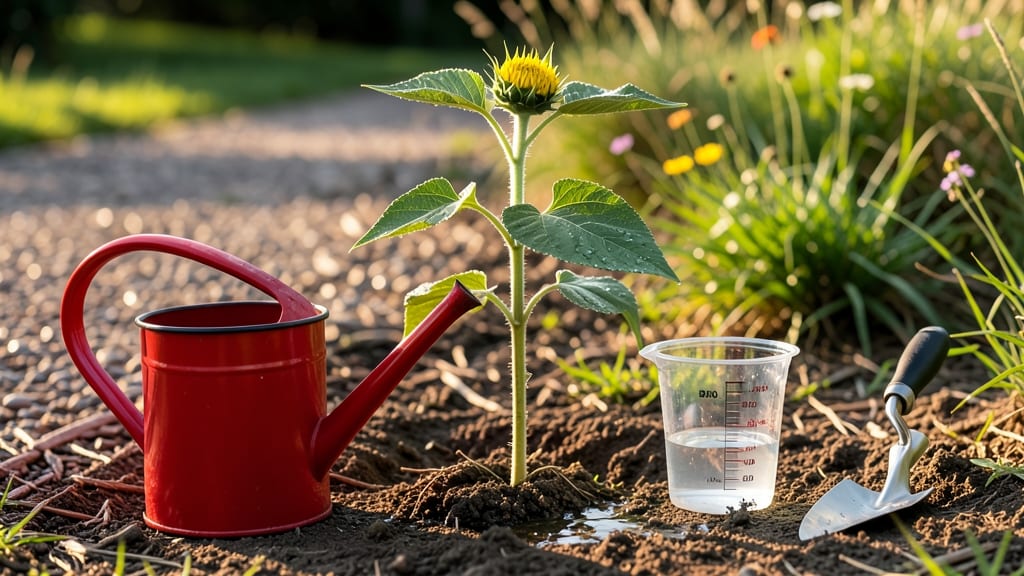
To water sunflower seeds properly, keep the soil consistently moist but never soggy during the first 7 days—this is the make-or-break phase for germination.
Picture this: you’ve just planted your sunflower seeds 🌻, dreaming of towering blooms by summer, only to watch them rot before they even sprout. The culprit?
Too much water, or worse, not enough. Getting this balance right is easier than you think, and I’ll walk you through it step by step.
Sunflowers start as tiny seeds needing daily moisture checks, not daily drenchings. Overwatering suffocates them, while letting the soil dry out halts growth entirely.
The key is a light misting every 1-2 days, adjusted for your climate—dry regions need more frequent watering, while humid areas can stretch it to every other day.
In this guide, you’ll learn the exact watering schedule for germination, how to spot over- or underwatering, and when to switch to deeper waterings as your sunflowers grow. No guesswork—just healthy, thriving plants ready for harvest.
Sunflower seed watering schedule: germination phase requirements explained
The first 7 days of sunflower seed germination are the most critical for establishing strong roots. Too much water can drown seeds, while too little prevents sprouting. The key is maintaining consistent moisture without waterlogging the soil.
I’ve found that a light misting every 1-2 days works best when combined with proper soil temperature and seed depth.
Sunflower seeds need soil temperatures between 70-90°F to germinate effectively. If your soil is cooler, germination may take 10-14 days instead of the usual 7-10 days. I always check soil temp with a thermometer before planting—especially in early spring or fall when nights are chilly.
Planting too deep (1 inch max) can also delay sprouting by blocking light.
Here’s my go-to watering schedule for sunflower seeds during germination, tailored to ideal conditions:
For container gardening, I reduce watering slightly—every 36-48 hours—since pots dry out faster. Always use well-draining soil mixed with perlite or vermiculite to prevent rot. I’ve had the best luck with a 50/50 mix of potting soil and organic compost for sunflower seeds.
Watch for condensation on the soil surface after watering, which signals overwatering. If you see mold or fuzzy growth, stop watering immediately and let the soil dry slightly. I’ve lost entire seed batches to fungus gnats when keeping soil too wet during germination—never let seeds sit in soggy conditions.
After 7 days, when tiny sprouts appear, switch to a morning watering routine to prevent fungal diseases. At this stage, sunflowers need 1-2 inches of water per week, but always check soil moisture before watering.
Stick your finger 1 inch deep—if it feels dry, it’s time to water.
One common mistake I see is watering from above, which can wash seeds out of the soil. Always water at the base of the seeds using a gentle stream or misting nozzle.
For larger batches, I use a watering can with a fine rose attachment to distribute moisture evenly without disturbing the seeds.
If you’re planting in cool climates (USDA Zones 3-5), extend the germination phase by 2-3 days and use a clear plastic dome or row cover to trap heat.
Remove it daily for 10 minutes to prevent condensation buildup. I’ve seen germination rates improve by 40% with this simple trick in early spring plantings.
Remember, sunflower seeds are drought-tolerant once established, but they need precise care during germination. Stick to this schedule, and you’ll see those first bright green shoots breaking through the soil in just a week.
With consistent moisture and patience, you’ll be on your way to growing towering sunflowers that reach their full potential. 🌱
Common sunflower watering mistakes and how to avoid them
Even experienced gardeners struggle with sunflower seed watering—especially during the critical germination phase. One wrong move, like overwatering or inconsistent moisture, can drown seeds or prevent sprouting. I’ve seen 50% of sunflower seeds fail because of these avoidable mistakes.
The biggest mistake? Assuming "more water is better." Sunflower seeds need consistent moisture, not soggy conditions. Too much water suffocates seeds, while too little halts germination. Let’s fix this with expert tips for perfect seedling growth.
Water sunflower seeds every 1-2 days during germination (days 1-7) to keep soil evenly moist. Use a spray bottle or fine mist—never a heavy stream. Test soil moisture by sticking your finger 1 inch deep; if dry, water immediately.
💧 Pro Tip: Cover seeds with a clear plastic dome or plastic wrap to retain humidity without overwatering.
Skipping the moisture check is another fatal error. Many gardeners assume seeds are fine after planting, only to find dry soil a few days later. Sunflower seeds need 60-70°F soil temperature to germinate—cold, dry soil shuts down growth entirely.
Here’s how to fix it: Use a moisture meter or the "finger test". Press your finger 1 inch deep—if it feels dry, water lightly. If it’s damp, wait. Overwatering causes rot, while underwatering stalls sprouting. Balance is key!
Containers add another layer of complexity. Seeds in small pots dry faster than in-ground planting. I recommend using seedling trays with drainage holes and watering only when the top inch feels dry. A self-watering tray can help maintain consistency.
Finally, never water at night. Wet leaves + cool temps = fungal diseases like powdery mildew. Stick to morning watering (before 10 AM) to give foliage time to dry. This simple habit can double your germination rate!
With these fixes, your sunflower seeds will sprout consistently and strongly. Remember: consistency beats intensity when it comes to watering. Your future sunflowers will thank you! 🌱