
Size
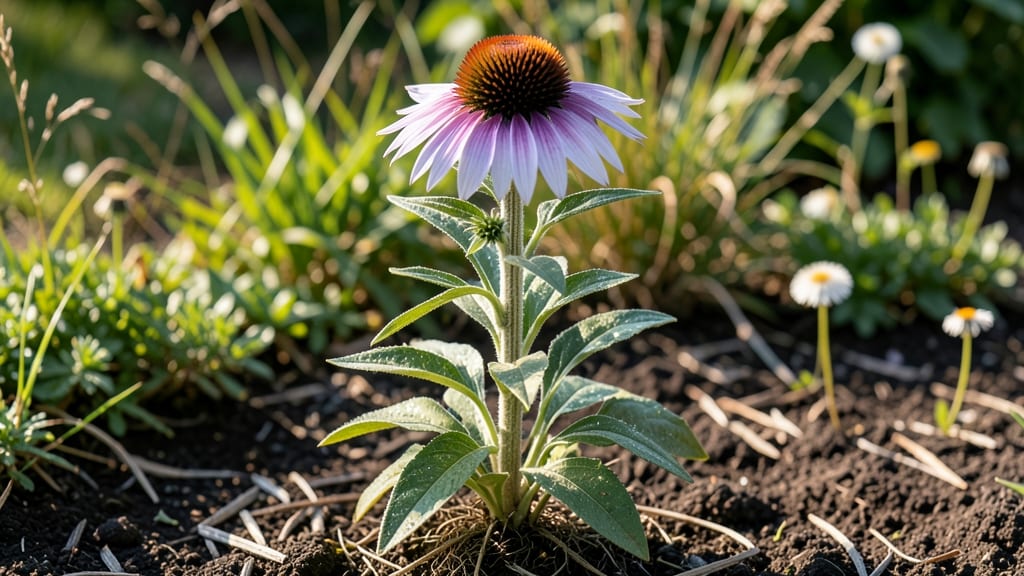
Coneflowers grow anywhere from 1 to 4 feet tall, depending on the variety and growing conditions — a range that can completely transform your garden’s look.
Wondering if coneflowers will tower over your garden or stay neatly contained? Their height varies dramatically by variety—and knowing the exact growth ranges can mean the difference between a stunning floral display and an overgrown mess.
For example, the classic Echinacea purpurea 🌼 typically reaches 2 to 3 feet, making it perfect for borders or mid-height garden beds, while taller varieties like Echinacea paradoxa can stretch up to 4 feet, ideal for back rows or pollinator-friendly focal points.
In this guide, I’ll break down the height expectations for popular coneflower types, share pro tips for managing growth, and help you choose the right size for your space—so you can enjoy their beauty without the chaos.


Coneflower height by variety: exact growth ranges for popular types
Coneflowers (Echinacea spp.) are garden workhorses, offering bold colors and long-lasting blooms while attracting pollinators. But their height varies wildly—from compact dwarf varieties to towering border giants.
Choosing the right size ensures your garden layout flows beautifully, whether you're creating a pollinator-friendly meadow or a neat cottage border.
From the classic purple of Echinacea purpurea to the pale pink of Echinacea paradoxa, each variety has distinct growth habits. Some sprawl wide, others shoot straight up, and a few even rebloom prolifically.
Let's break down the exact mature heights and spreads so you can plan your garden like a pro.
Pro Tip: Always check your variety's tag—some hybrids can exceed their parent plant's height by 10-20% in ideal conditions. And remember: Full sun and well-draining soil maximize their potential.
| Variety | Mature Height | Spread | Growth Habit | Best For |
|---|---|---|---|---|
| Echinacea purpurea 'Magnus' | 3-4 ft | 2-3 ft | Upright, clumping | Back borders, pollinator gardens |
| Echinacea purpurea 'White Swan' | 3-4 ft | 2 ft | Tall, slender stems | Cut flowers, cottage gardens |
| Echinacea purpurea 'Hot Papaya' | 2-3 ft | 1.5-2 ft | Compact, bushy | Front borders, containers |
| Echinacea pallida 'White River' | 2-3 ft | 2 ft | Semi-upright, spreading | Prairie gardens, wildflower mixes |
| Echinacea paradoxa | 1-2 ft | 1.5-2 ft | Low-growing, mounding | Rock gardens, ground cover |
| Echinacea atrorubens 'Sombrero' | 2-3 ft | 1.5 ft | Upright, narrow | Cut flower arrangements |
| Echinacea purpurea 'Green Envy' | 2-3 ft | 2 ft | Bushy, reblooming | Long-season color |
| Echinacea purpurea 'Kim's Knee Hi' | 1-2 ft | 1.5 ft | Dwarf, clumping | Container gardens, small spaces |
| Echinacea purpurea 'Cheyenne Spirit' | 3-4 ft | 2 ft | Tall, slender, reblooming | Back of borders, cut flowers |
| Echinacea purpurea 'Sunrise' | 2-3 ft | 1.5 ft | Bushy, multi-colored | Pollinator gardens, cottage style |
| Echinacea purpurea 'Artemis' | 1.5-2 ft | 1.5 ft | Compact
How coneflower height affects garden layout and companion plantingConeflowers aren't just pretty faces—their height dramatically shapes your garden's flow and function. A 3-foot variety like Echinacea purpurea makes a bold backyard statement, while 18-inch dwarf types perfect container gardens or pollinator borders. The key? Matching their mature height to your design goals—whether you want vertical drama or low-maintenance ground cover. Tall coneflowers thrive as focal points near patios or mixed borders, while shorter varieties work beautifully in rock gardens or as edging plants. Their height also dictates companion pairings—tall varieties need understory plants to fill gaps, while dwarf types can mix seamlessly with grasses and perennials at eye level. Let's break down how to use their height to your advantage.
For pollinator gardens, taller coneflowers create landing platforms for bees and butterflies, while shorter varieties provide low-level forage. Pair 3-foot Echinacea purpurea with milkweed and goldenrod for a season-long pollinator buffet. In container gardens, dwarf coneflowers mix beautifully with lavender and thyme for a compact, fragrant display. Don't overlook the seasonal interest factor—tall coneflowers hold their dried seed heads beautifully in winter, while shorter types may need winter mulch to protect their basal foliage. I always plant tall varieties near shrubs or fences to provide natural support and wind protection, while dwarf types get tucked into rock crevices or woodland gardens. Pro tip: Use height contrast to draw attention to key garden areas. A 4-foot coneflower behind a 1-foot sedum creates instant visual drama. For urban gardens, semi-dwarf varieties work best—they fit in raised beds without overwhelming smaller spaces. Always leave 18-24 inches of space around taller types for airflow and maintenance. Remember, coneflowers aren't just about height—they're about creating habitat. Their varied sizes let you design multi-level pollinator highways that support everything from bumblebees to hummingbirds. Start with your tallest varieties as backdrop plants, then layer in shorter types and ground covers to complete the picture. The right height mix makes all the difference in a functional, beautiful garden. |