
Size
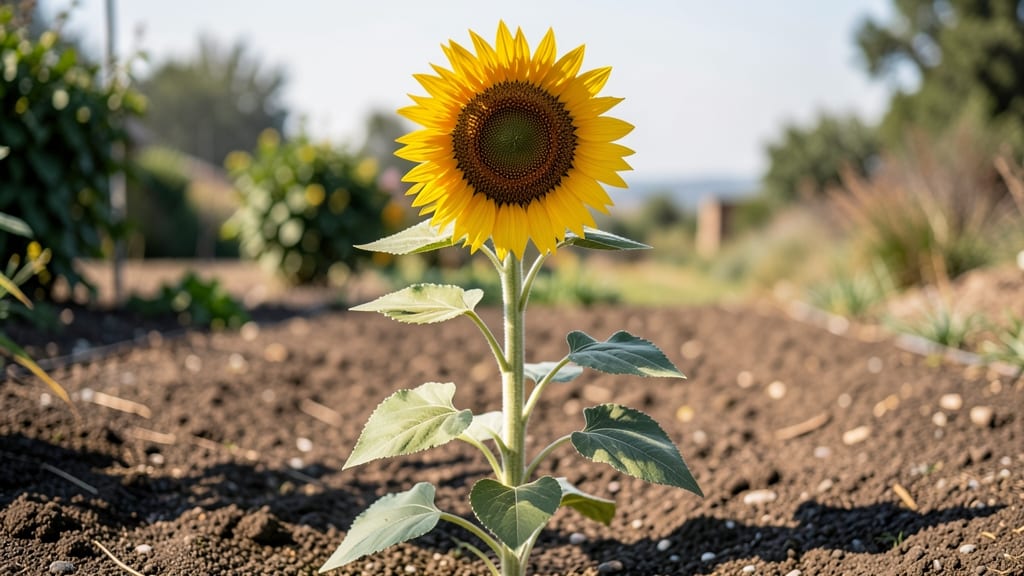
How tall sunflower plants get can vary dramatically—from 3 feet to towering 16 feet tall, depending on the variety you choose—and that range makes all the difference in your garden plan.
Imagine planting a sunflower 🌻 that ends up taller than your fence, only to realize it’s blocking your neighbor’s view (or worse, toppling in a summer storm). Or picture a compact dwarf that fits perfectly in a container but still attracts pollinators like crazy.
The height of your sunflowers isn’t just about aesthetics—it’s about space, support, and even how you’ll harvest those seeds.
Genetics set the baseline, but soil quality, sunlight, and even watering habits can push a sunflower toward the sky or keep it grounded.
Some varieties max out at 3 feet, while others shoot up like skyscrapers—so knowing what to expect before you plant is the key to avoiding crowded beds or floppy stems.
Below, I’ll break down the height ranges by variety, share tips for supporting tall types, and help you pick the perfect sunflower for your space—whether you’re dreaming of a dramatic backyard centerpiece or a pollinator-friendly border.


Sunflower height by variety: towering giants vs. compact dwarfs
Sunflowers are nature’s skyscrapers, with some varieties stretching taller than a two-story house while others stay compact enough for patio pots. The mature height of sunflowers depends entirely on the variety you choose, ranging from 1-foot dwarfs to 15-foot giants.
This dramatic range means you can tailor your sunflowers to fit any garden space—whether you need a pollinator-friendly border or a dramatic backyard focal point.
For example, 'Teddy Bear' sunflowers max out at just 3 feet, making them perfect for container gardening or small spaces, while 'Russian Giant' can reach 12-16 feet, creating a wind-resistant privacy screen or shade for smaller plants.
Understanding these height differences helps you avoid overcrowding, plan for wind damage, and strategically place sunflowers to maximize their impact.
If you’re growing sunflowers in containers, stick to dwarf varieties like 'Moulin Rouge' or 'Pole Star Dwarf,' which stay under 3 feet. These are perfect for balcony gardens or patio planters, as they don’t require deep root space.
For border plantings, semi-dwarf varieties like 'Autumn Beauty' (4–5 feet) create a low-maintenance pollinator magnet without overwhelming smaller perennials.
For dramatic impact, standard varieties like 'Mammoth Russian' or 'Sunflower 'Russian Giant' can reach 12–16 feet, making them ideal for backyard focal points or even windbreaks. Just be prepared to stake or cage these giants—especially in windy climates—to prevent them from toppling over.
A simple bamboo stake or wire cage inserted at planting time can save your sunflowers from flopping mid-season.
Pro tip: Spacing matters for sunflower height. Giant varieties need 3–4 feet between plants to avoid crowding stress, which can stunt growth or lead to pest problems. Meanwhile, dwarf varieties thrive in tight clusters, making them ideal for cut-flower arrangements or pollinator-friendly meadows.
Always check the seed packet for spacing recommendations—this small detail can mean the difference between a healthy, thriving sunflower and a leggy, weak-stemmed flop.
Another factor influencing height is soil fertility. Sunflowers grown in rich, well-draining soil with adequate phosphorus and potassium tend to grow taller and stronger. However, if you’re aiming for shorter, bushier plants, slightly nutrient-poor soil can encourage multiple stems and compact growth.
This is why container-grown sunflowers often stay shorter—they’re root-bound and can’t access as many nutrients.
Climate also plays a role: sunflowers in hot, dry regions may grow taller to seek moisture, while those in cooler climates might
How sunflower height affects your garden’s layout and pollinator strategy
Sunflowers aren’t just eye-catching annuals—they’re architectural powerhouses that can transform your garden’s vertical space into a pollinator paradise. Their height variations (from 3-foot dwarfs to 15-foot giants) let you strategically place them for privacy screens, windbreaks, or even seasonal shade.
But before you plant, consider how their mature size will interact with your existing landscape and local wildlife.
Tall sunflowers create vertical pollinator highways that bees and butterflies can’t resist. A 12-foot giant planted near a 3-foot dwarf creates a layered effect that attracts pollinators at multiple heights—starting from ground level all the way to treetop level.
This stratified planting mimics natural ecosystems, where different species thrive at different elevations.
🌱 Sunflower Height Guide
Dwarf varieties: 1–3 ft (ideal for containers, borders)
Semi-dwarf: 3–6 ft (perfect for pollinator gardens)
Standard: 6–10 ft (great for privacy, windbreaks)
Giant varieties: 10–16 ft (dramatic focal points, shade providers)
One of the biggest mistakes gardeners make is ignoring wind resistance when planting tall varieties. A 14-foot sunflower in an open, windy area will lean dramatically or even snap if not staked properly.
Use bamboo stakes or tree rings for support, especially in USDA zones 4–6, where winter winds can be brutal. For extra stability, plant in groups of 3–5 so they lean into each other naturally.
Height also plays a key role in companion planting. Pair tall sunflowers with low-growing herbs like basil or thyme to create a pollinator-friendly understory. The sunflowers provide shade for heat-sensitive plants while their deep roots break up compacted soil.
Avoid planting them near shallow-rooted veggies like lettuce, as their competitive growth can stunt smaller plants.
For seasonal interest, use height to create a year-round structure. Plant fall-blooming varieties like Autumn Beauty (6–8 ft) behind early-spring bulbs such as daffodils. The sunflowers will hide spent bulbs while adding late-season color.
In small spaces, opt for dwarf varieties like Teddy Bear (2–3 ft) to keep the garden manageable without sacrificing pollinator benefits.
Remember, soil quality and sun exposure directly impact height. Sunflowers grown in poor soil or partial shade will stay shorter than their potential. Amend your soil with compost and ensure they get 6+ hours of sun daily to encourage their full growth potential.
With the right planning, your sunflowers won’t just be tall—they’ll be functional masterpieces in your garden. 🌻