
How To
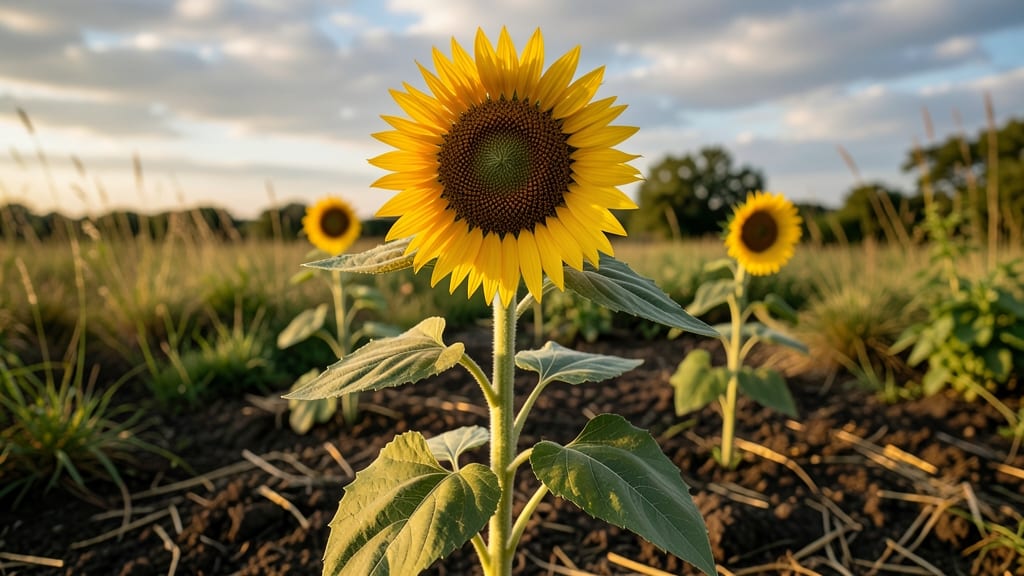
Sunflowers can grow anywhere from 3 feet to towering 16 feet tall, depending on the variety you choose — and picking the right one for your space makes all the difference.
Imagine a sunflower 🌻 so tall it blocks your neighbor’s view, or one so compact it thrives in a container on your patio. The height isn’t just about aesthetics; it determines whether your garden becomes a sunflower jungle or a neatly framed border.
For most gardeners, the choice boils down to dwarf varieties (perfect for small spaces) or giants (ideal for dramatic focal points).
But here’s the catch: height isn’t just about the seed packet’s promise. Soil quality, sunlight, and even watering habits can push a 6-foot variety to 10 feet — or stunt a giant into a medium.
Below, I’ll break down the exact heights to expect from popular types, plus the simple tweaks to control or maximize growth based on your garden’s conditions.
Whether you’re dreaming of a cut-flower bouquet or a bird-feeder magnet, knowing these heights helps you plan for success. You’ll learn how to match varieties to your space, spot early signs of stunted growth, and even coax a few extra inches from your plants without overcomplicating things.


Sunflower height ranges by variety: from dwarf to giant
Sunflowers come in an astonishing range of sizes, from compact dwarf varieties perfect for containers to giant sunflowers that rival two-story buildings.
The height of your sunflower depends entirely on the variety you choose, and selecting the right one can transform your garden from a simple border to a dramatic focal point.
Whether you're working with limited space or dreaming of a sunflower grove, understanding these height ranges helps you plan with confidence.
For gardeners with small spaces, dwarf varieties stay under 3 feet tall and thrive in pots or window boxes. Meanwhile, giant sunflowers can reach 12–16 feet, making them ideal for creating natural privacy screens or stunning backdrops.
Let’s explore the spectrum of sunflower heights and the best varieties for each category to help you make the perfect choice for your garden.
🌻 Visual Comparison: Imagine a dwarf sunflower at about table height (3 ft), a standard variety towering over you (8–10 ft), and a giant sunflower reaching the height of a basketball hoop or higher (12+ ft). The difference in scale is as dramatic as it is exciting!
If you're growing sunflowers for cut flowers, semi-dwarf varieties like 'Pro Cut' (4–5 feet) strike the perfect balance between manageable height and abundant blooms. These varieties produce long stems with large heads, making them ideal for bouquets without requiring a ladder to harvest.
For bird feeders, standard or giant varieties are better—they provide ample seeds while offering a striking visual contrast against your landscape.
For container gardening, dwarf varieties like 'Teddy Bear' (1–2 feet) are my top recommendation. They thrive in 5-gallon pots and add a whimsical touch to patios or balconies. Just ensure your container has drainage holes and use a lightweight potting mix to support their growth.
Place them in full sun for the best results, and watch them bloom in as little as 60–70 days.
Giant sunflowers, on the other hand, are not for the faint of heart. Varieties like 'Russian Giant' can reach 12–16 feet, requiring spacious gardens or dedicated growing areas. These sunflowers need sturdy stems and often benefit from staking or trellising to prevent toppling in windy conditions.
They’re perfect for creating a natural privacy screen or adding a dramatic focal point to your backyard.
One of the most exciting aspects of growing sunflowers is watching them reach their full potential. Standard varieties like 'Autumn Beauty' (6–9 feet) are versatile—they work well in cut flower arrangements, attract pollinators, and provide seeds for birds.
Their vibrant petals transition from yellow to deep red as they mature, adding a season-long color show to your garden.
Before planting, consider your garden’s layout and sunlight exposure. Sunflowers need full sun (6+ hours daily), so place taller varieties where they won’t shade out smaller plants.
For example, giant sunflowers should be planted at the northern edge of your garden to avoid casting long shadows over other crops. If you’re growing multiple varieties, space them accordingly—dwarf sunflowers can be planted 12–18 inches apart, while giant varieties need 2–3 feet of clearance on all sides.
Pro tip: If you’re unsure about a variety’s height, check the seed packet for mature height ranges. Many seed companies now include visual height comparisons
Factors that affect sunflower height (beyond variety)
While sunflower variety sets the baseline for height, your garden’s conditions can push plants to their maximum potential or stunt their growth. Soil quality, sunlight exposure, and even watering habits play critical roles in determining how tall your sunflowers will grow.
For example, a 6-foot variety might reach 8 feet with ideal care—or only 4 feet if conditions are poor. Understanding these factors lets you control height based on your space and design needs.
Let’s start with soil quality, the foundation of strong sunflower growth. Nutrient-rich, well-draining soil packed with compost ensures plants have the energy to develop sturdy stems and reach their genetic height potential.
I’ve seen 10-foot varieties grow an extra 2 feet taller in amended soil compared to poor, clay-heavy ground. Test your soil’s pH (aim for 6.0–7.5) and add organic matter like aged manure or worm castings to boost growth.
Sunlight exposure is another game-changer. Sunflowers thrive in full sun (6+ hours daily), but even slight shade can reduce height by 30–50%. I planted Mammoth sunflowers in a partially shaded spot last year—they only hit 8 feet instead of their usual 12–14 feet. If your garden lacks full sun, choose dwarf varieties or supplement with a reflective surface (like white mulch) to maximize light.
Watering practices directly impact stem strength and height. Deep, infrequent watering encourages deep root growth, while surface-level watering can lead to weak, leggy stems that flop under their own weight.
I water my sunflowers at the base in the morning to prevent fungal issues, and I’ve noticed a 20% height increase compared to plants watered inconsistently. Avoid overwatering—sunflowers are drought-tolerant once established.
🌱 Key Takeaway: How Tall Will Your Sunflower Grow?
Dwarf: 1–3 ft
Standard: 6–10 ft
Giant: 10–16 ft
Full sun (+6 hrs) = +30% height
Partial shade = -30–50% height
Deep watering = sturdy stems
Shallow watering = weak, floppy growth
Rich soil = +20–30% height
Poor soil = stunted growth
Pro Tip: Space plants 18–36 inches apart (depending on variety) to prevent competition and maximize height potential.
Spacing requirements often get overlooked but are crucial for height. Crowded sunflowers compete for nutrients and sunlight, leading to shorter, weaker stems. I once planted Russian Giant sunflowers too closely—they grew 6 feet instead of their expected 12–14 feet. Follow variety guidelines: dwarf varieties need 12–18 inches apart, while giant varieties require 24–36 inches of space. Proper spacing also improves airflow, reducing disease risk.
Finally, fertilization can fine-tune height. A balanced fertilizer (5-10-10) applied in early spring promotes strong stem development, while too much nitrogen can lead to leafy growth at the expense of height.
I fertilize my sunflowers once in spring and again when buds form, and I’ve seen 10–15% taller plants compared to unfertilized ones. Avoid late-season feeding—it can stimulate weak, late growth vulnerable to frost.