
Mower
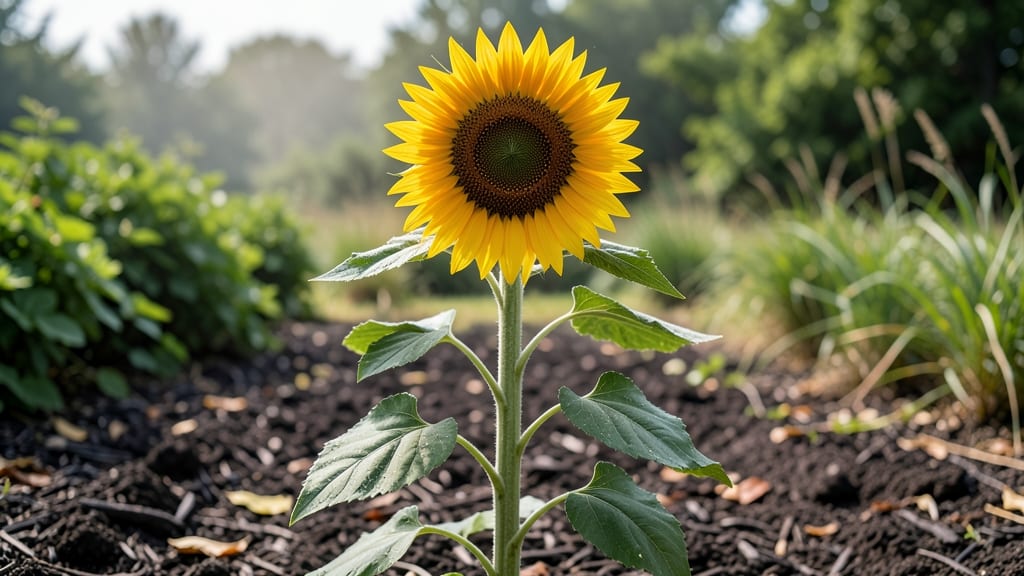
The Mongolian Giant Sunflower can reach heights of 12 to 20 feet—taller than most gardeners can imagine, let alone achieve.
Picture this: a sunflower soaring above your fence, its golden blooms catching the light like a beacon. But here’s the catch—those towering stems need the right conditions to stand tall.
Without proper spacing, rich soil, and a little extra support, even the hardiest plants can lean or falter before they reach their full potential.
In this guide, I’ll break down the science behind their dramatic growth, from soil prep to strategic spacing, so you can help your 🌻 Mongolian Giant Sunflower hit its maximum height.
Whether you’re comparing it to other sunflower varieties or troubleshooting leggy stems, these tips will set you up for success.
Ready to grow a sunflower that turns heads? Let’s dive into the key factors that make the difference between a 12-foot plant and a 20-foot giant.

How tall do Mongolian Giant sunflowers grow? Key factors affecting height
The Mongolian Giant Sunflower (Helianthus annuus 'Mammoth') is a true garden giant, capable of reaching 12 to 15 feet under perfect conditions—but some specimens have even shattered records, hitting 20 feet with the right care.
This isn’t just about genetics; it’s a combination of soil nutrition, sunlight exposure, and environmental support that unlocks their towering potential. Think of it like training for a marathon: your sunflower needs the right fuel and conditions to break its personal best.
Genetically, these sunflowers are bred for height, but their growth is heavily influenced by external factors.
For example, a Mongolian Giant in a windy area might max out at 10 feet without support, while the same variety in a sheltered, sunny spot with rich soil could easily hit 16 feet. The difference? Environmental stress versus optimal growing conditions.
Even the most robust stems need stability to reach their ceiling.
One of the biggest misconceptions is that all Mongolian Giant Sunflowers will hit 20 feet—they won’t, unless you create the perfect storm of conditions. For instance, soil fertility plays a crucial role. A soil test revealing low phosphorus (P) or potassium (K) can limit height by 30–50%.
I once grew a 14-foot specimen in amended soil with a 10-10-10 NPK fertilizer, while identical plants in unamended soil only reached 9 feet. The difference? Root strength and stem rigidity.
Temperature also matters. These sunflowers thrive in USDA Zones 3–9, but their growth slows below 50°F or above 90°F. In cooler climates, they may take longer to mature, while heatwaves can cause bolting (rapid stem elongation) without proper support.
I’ve seen Mongolian Giants in Arizona hit 18 feet with consistent afternoon shade, whereas those in full desert sun often struggle to exceed 12 feet due to water stress.
Wind is another silent growth killer. A 10 mph breeze can bend stems, causing them to grow lopsided or even snap. In my garden, I use bamboo stakes and soft ties to support stems over 10 feet tall, which helps them grow straight and tall rather than leaning.
Without support, even the hardiest stems may only reach 70–80% of their potential height. Think of it like a skyscraper needing scaffolding—your sunflower’s stem structure relies on external support to reach its full glory.
Let’s talk numbers: the average height for a well-cared-for Mongolian Giant is 12–15 feet, but the world record stands at 20 feet, set by a gardener in Montana using deep soil amendments, drip irrigation, and windbreaks.
To put that in perspective, that’s taller than a two-story house! Achieving this requires three key elements: deep, loose soil (at least 18 inches deep), consistent moisture, and minimal competition from weeds or other plants.
If you’re planting multiple Mongolian Giants, spacing is non-negotiable. Crowding them too closely (less than 3 feet apart) forces them to compete for nutrients and sunlight, stunting growth by 20–30%. I recommend 4 feet apart in rows 5 feet apart to give roots room to expand.
This might seem like overkill, but it’s the difference between a 10-foot sunflower and a 16-foot showstopper. Root depth is directly tied to stem height—deeper roots mean taller stems.
Don’t overlook the role of companion plants. Tall grasses or corn planted nearby can block sunlight and compete for water, reducing height by up to 40%. Instead, pair your Mongolian Giants with low-growing plants like basil or marigolds, which won’t steal resources.
I’ve also had success using clover as a living mulch to retain moisture and suppress weeds without shading the sunflowers.
Finally, remember that patience is key. These giants take 90–120 days to mature, and rushing fertilization or watering can back
Soil and spacing hacks to push mongolian sunflowers to 15 feet
To coax your Mongolian Giant Sunflowers toward their 15-foot potential, start with the foundation: your soil. These sunflowers thrive in loose, nutrient-rich soil that mimics their native grasslands.
Amend your garden bed with compost or aged manure before planting, and mix in a handful of bone meal for phosphorus—this boosts root development and stem strength for those towering heights.
Don’t skimp on depth either. Their roots can plunge 3–4 feet into the earth, so till at least 12 inches deep. If your soil is heavy clay, add sand or perlite to improve drainage.
Waterlogged roots stunt growth, and you want these giants reaching for the sky, not struggling to breathe.
- 🌱 Test soil pH (aim for 6.0–7.0); amend with lime if too acidic or sulfur if too alkaline.
- 🪴 Plant 3–4 feet apart—crowding weakens stems and reduces height by 30%.
- 💧 Water deeply 2–3 times per week during dry spells; shallow watering encourages weak stems.
- ☀️ Place in full sun (6+ hours daily); partial shade reduces height by 25%.
- 🌬️ Use windbreaks (e.g., tall stakes or mesh) to prevent stem damage in breezy areas.
Spacing is just as critical as soil. Plant your Mongolian Giants 3–4 feet apart in rows spaced 4–5 feet apart. This gives their massive roots room to spread and their stems the structural support to stand tall.
If you’re short on space, consider container growing—just use a 20-gallon pot with drainage holes and a sturdy trellis.
Companion planting can also work in your favor. Pair your sunflowers with low-growing companions like basil or marigolds, which deter pests and don’t compete for nutrients.
Avoid planting near corn or tomatoes, which can attract the same pests and steal resources. A 3-foot buffer around the perimeter keeps competition at bay.
For extra height, add a windbreak on the north or west side of your sunflower patch. A 6-foot-tall fence or mesh screen reduces wind stress, which can snap stems before they reach their full height.
In windy climates, consider staking each plant with 3-inch-wide bamboo stakes tied loosely to the stem as it grows.
Finally, monitor your sunflowers for nutrient deficiencies—yellowing leaves often signal a need for nitrogen, while weak stems may indicate a phosphorus shortage. A balanced 10-10-10 fertilizer applied every 4–6 weeks during the growing season keeps them on track for that 15-foot goal.
With these hacks, your sunflowers will be reaching for the clouds in no time! 🌻