
Flowers
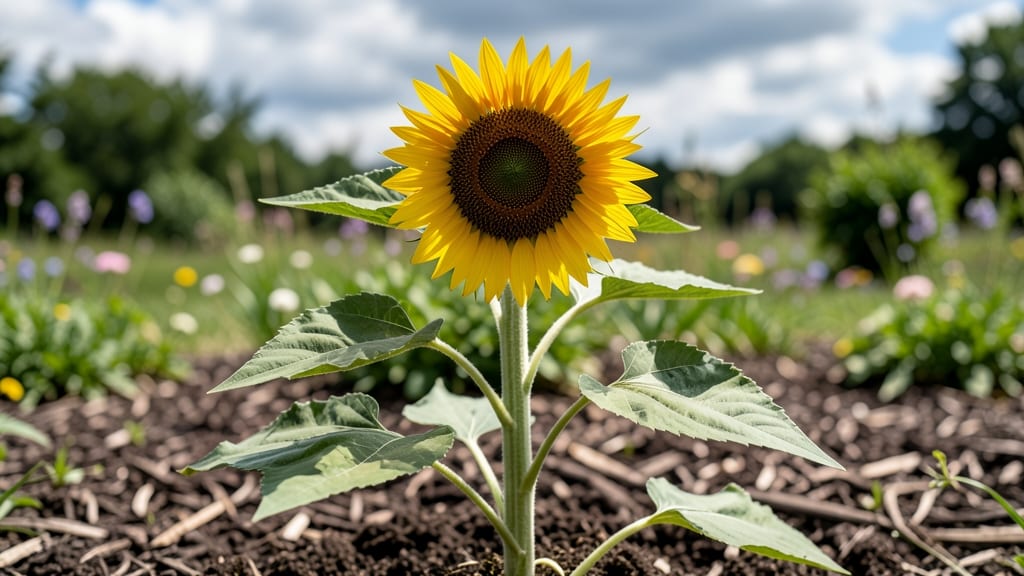
Sunflowers grow to heights ranging from how tall does a sunflower grow—just 1 foot to towering over 15 feet, depending on the variety you choose.
If you’ve ever planted sunflowers and wondered whether they’ll tower over your fence or stay manageable in your backyard, knowing their exact growth potential is key to planning your garden space—and avoiding surprises.
From tiny Teddy Bear varieties perfect for containers to Mammoth types that reach the sky, each sunflower has a unique height range that can transform your outdoor space.
Below, I’ll break down the exact heights by variety, share tips for controlling growth, and help you pick the perfect sunflower for your garden—whether you want a privacy screen or a cheerful balcony display.


Sunflower height by variety: from dwarf to giant types
Sunflowers are one of the most exciting plants to grow because of their dramatic height variations—from tiny dwarf varieties perfect for containers to giant sunflowers that can rival your house!
If you're planning your garden layout, knowing the mature height of each variety helps you choose the right plants for your space. I’ve grown everything from Teddy Bear sunflowers in my balcony pots to Mammoth sunflowers reaching my roof, and I’ll share exactly what to expect from each type.
Most sunflowers fall into three height categories: dwarf (1–3 ft), medium (3–6 ft), and tall (8–16 ft). The variety you pick isn’t just about aesthetics—it also affects how much space you’ll need, how much sunlight they’ll need, and even how you’ll harvest those seeds!
For example, a 3-foot 'Teddy Bear' will fit beautifully in a window box, while a 12-foot 'Russian Giant' needs a dedicated corner of your yard. Let’s break down the most popular varieties and their exact heights.
| Variety | Mature Height | Best For | Notes |
|---|---|---|---|
| Teddy Bear | 1–3 ft | Containers, borders, cut flowers | Compact, early bloomer, great for kids |
| Moulin Rouge | 2–4 ft | Cut flowers, bouquets | Bicolor petals, long vase life |
| Autumn Beauty | 3–5 ft | Pollinators, borders | Multi-colored flowers, great for bees |
| Mammoth | 8–12 ft | Tall gardens, cut flowers | Classic giant, needs staking |
| Russian Giant | 10–16 ft | Landmark plants, large spaces | Tallest variety, requires strong support |
| Sunspot | 2–3 ft | Containers, small gardens | Disease-resistant, early bloomer |
| ProCut | 5–7 ft | Cut flowers, commercial growers | Long stems, great for arrangements |
If you’re growing sunflowers in containers or small spaces, the Teddy Bear or Sunspot varieties are my top picks. These stay under 3 feet and thrive in 5-gallon pots with proper drainage. I’ve even grown them on my balcony with just 6 hours of sunlight per day!
Their smaller size makes them perfect for cutting flowers or adding height to window boxes without overwhelming your space.
For tall sunflowers, the Mammoth and Russian Giant varieties are showstoppers—but they require planning. A 12-foot sunflower needs at least 6–8 feet of clearance to avoid leaning or toppling. I always stake these giants with bamboo supports or plant them near a fence for stability.
If you’re aiming for a dramatic focal point, these varieties will make your garden the talk of the neighborhood!
One variety that’s gained popularity for its versatility is the Autumn Beauty. Standing 3–5 feet tall, it’s tall enough to add structure to your garden but not so imposing that it blocks sunlight for smaller plants.
What makes it special is its multi-colored petals, which attract pollinators like bees and butterflies. I love planting it alongside marigolds or zinnias to create a vibrant, pollinator-friendly border.
If you’re growing sunflowers for seed production, the Mammoth and Russian Giant varieties yield the largest seeds, but they take longer to mature. For quicker harvests, consider ProCut or Autumn Beauty, which produce seeds in 60–80 days instead of the 100+ days required for giants.
I’ve found that smaller varieties like Teddy Bear are easier to manage for seed-saving because they don’t require as much space or support.
Here’s a pro tip: if you’re unsure about height, check the seed packet for mature plant height before buying. Some nurseries even include visual height comparisons (like a ruler or person standing next to the plant).
I always measure my garden space with a tape measure to ensure the sunflowers I choose won’t outgrow their welcome. For example, a 10-foot sunflower planted too close to a house might block a window or damage gutters when it sways in the wind!
For urban gardeners or renters, dwarf varieties are a game-changer. I’ve seen Sunspot sunflowers thrive in hanging baskets> and vertical planters, adding a pop of color without taking up valuable floor space. These varieties also bloom earlier, giving you
Factors that influence sunflower height (and how to control them)
Sunflowers are nature’s skyscrapers, but their height isn’t set in stone—it’s shaped by your care. Whether you want compact blooms for containers or towering giants for cut flowers, understanding these key factors lets you steer their growth.
From sunlight exposure to pruning techniques, small adjustments can mean the difference between a 3-foot dwarf and a 15-foot giant.
First, sunlight is the #1 growth accelerator. Sunflowers crave 6-8+ hours of direct light daily, but too little stretches their stems thin and weak. If your garden gets partial shade, expect 20-30% shorter plants.
Conversely, full sun triggers their natural height potential, especially in varieties like 'Mammoth' or 'Russian Giant', which can hit 12-16 feet with ideal conditions.
Soil quality plays a hidden but critical role. Poor, rocky, or nutrient-deficient soil stunts roots, limiting height. Amend with compost or aged manure before planting to give stems the structural support they need.
My own 'Autumn Beauty' sunflowers grew 4 feet taller after I added a 2-inch layer of compost—proof that healthy soil = happy, strong stems.
Full sun (6-8+ hrs) = max height; partial shade = 20-30% shorter stems. Use reflective surfaces (white walls, mirrors) to boost light in shady spots.
Rich, well-draining soil with phosphorus (bone meal) promotes root depth and stem strength. Test pH—aim for 6.0-7.0. Compacted soil = weak stems and bending.
Deep, infrequent watering (1-2 inches per week) encourages taller growth. Overwatering = weak stems; underwatering = stunted blooms. Mulch to retain moisture and prevent root stress.
Pinch top buds early to encourage bushier growth (ideal for dwarf varieties). For taller stems, avoid pruning—let them bolt naturally. Deadhead spent blooms to redirect energy to new growth.
Watering habits might seem simple, but they’re surprisingly influential. Sunflowers need deep, infrequent watering—think 1-2 inches per week—to develop strong roots. Shallow watering leads to weak stems that flop or snap.
I once saw 'ProCut' sunflowers (normally 5 feet) grow only 3 feet because I watered too frequently, causing root rot and stunted growth. Mulch heavily to keep moisture consistent.
Pruning is your secret weapon for controlling height. If you want shorter, bushier sunflowers, pinch off the top bud when seedlings are 6-8 inches tall. This encourages lateral branching, perfect for container gardening or small spaces.
For tall varieties, avoid pruning—let them grow! Just remove dead or damaged leaves to keep energy focused on the main stem.
Lastly, don’t overlook the power of genetics. Even with perfect care, a 'Teddy Bear' sunflower will max out at 3 feet, while a 'Russian Giant' will reach 12+ feet.
Choose your variety before planting based on your space and goals. For urban gardens, opt for dwarf or semi-dwarf types; for cut flowers, select tall, sturdy varieties.