
Pruning
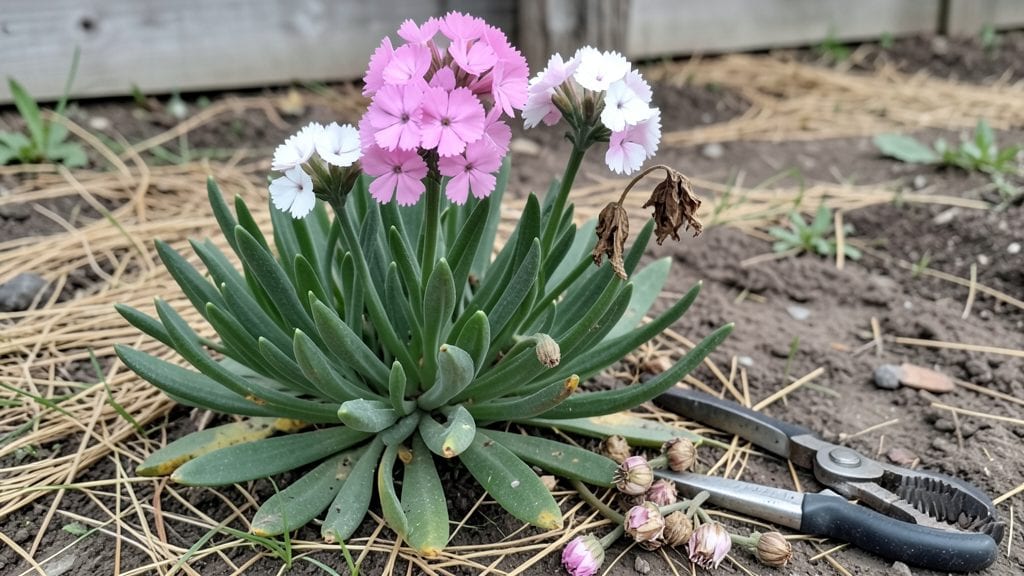
Deadheading dianthus flowers keeps them blooming like clockwork all season long. 🌸 I’ve seen gardeners skip it and watch their plants fade into leggy shadows by summer’s end—don’t let that be you.
The trick is timing and technique, and once you get it right, you’ll have dianthus covered in fresh blossoms until frost.
You’ll need sharp pruners (or clean scissors) and about 10 minutes after each flush of flowers fades. Cut just above the next set of leaves where the stem meets the plant—never leave stubs.
This redirects energy to new buds instead of seed production, and your plants will reward you with tighter, more abundant blooms.
By mid-July, my dianthus go from occasional blooms to nonstop color, with clusters of pink, red, or white flowers that last weeks longer than neglected plants. The secret? Consistency—check them every 5–7 days during peak bloom, and they’ll keep going until fall.
Just avoid deadheading in late summer if you’re in a cold climate, as new growth won’t harden off before frost.
Common mistakes? Over-cutting (never trim more than ⅓ of the plant at once) or waiting too long (wilting blooms turn to seed pods fast). With this method, your dianthus won’t just survive summer—they’ll thrive, turning your garden into a fragrant, colorful showstopper.
📚 In This Guide
- What you need
- Instructions
- Tips and common mistakes
- Wrapping up and next steps
What you need
- ● Pruning shears or sharp scissors – Choose bypass pruners (clean cuts) or small garden shears (for larger batches). Sterilize with rubbing alcohol before use!
- ○ Gloves (optional but recommended) – Protect your hands from thorns (especially on Dianthus gratianopolitanus) with lightweight gardening gloves.
- ● Trash bag or bucket – A small container to collect spent blooms and debris. A 5-gallon bucket works great for bulk deadheading.
- ● Garden kneeler or stool – If your Dianthus is ground-level, kneelers save your back. A foldable stool is handy for raised beds.
- ● Handheld pruners with a magnifying lens – Perfect for precision work on tiny Dianthus blooms.
- ● Disinfectant spray (e.g., 1-part bleach to 9 parts water) – Spray tools between cuts to prevent disease spread.
- ● Compost bin access – Repurpose spent blooms as nutrient-rich compost (if not diseased).
- ● Sunhat & sunscreen – Deadheading on sunny days? Protect yourself from UV rays!
Step-by-step instructions for deadheading dianthus flowers
Here's the simple trick I use to keep my dianthus blooming all season long.
✂️ Step 1: Choose the Right Time for Deadheading
Wait until flowers have fully opened but before they start wilting or dropping petals on their own. The best time is on a cool morning after dew has evaporated but before the midday sun. This ensures you're working with dry stems and reduces stress on the plant.
Look for flowers where the petals are fully unfurled but haven't begun to brown at the edges. These are at peak beauty but haven't yet spent their energy on seed production. Cutting at this stage redirects the plant's energy toward producing new blooms instead of seeds.
✂️ Step 2: Use Clean, Sharp Pruners for Precision Cuts
Grab your bypass pruners and make a clean cut just above a set of healthy leaves or a leaf node. This is where new growth will emerge. Avoid cutting too close to the leaf node or you'll risk damaging the plant's ability to produce new shoots.
I like to hold the stem at a 45-degree angle while cutting—this helps water run off the cut stem instead of pooling and potentially causing rot. Make the cut about 1/4 inch above the leaf node. You'll know you're doing it right when the cut is smooth and the stem doesn't tear.
✂️ Step 3: Remove Only the Spent Blooms, Not the Stem
Don't cut the entire stem down to the base—this can remove too much foliage and weaken the plant. Instead, focus on removing just the individual spent flowers or clusters. This leaves the plant's energy reserves intact while encouraging new blooms to form along the same stem.
For dianthus, which often bloom in clusters, I remove each individual flower head as it fades. You'll notice the plant will often produce new blooms from the same stem where you removed the old ones. This creates that beautiful cascading effect of continuous color.
💧 Step 4: Water and Fertilize After Deadheading
Give your dianthus a thorough watering after deadheading to help it recover from the slight stress of pruning. Water at the base of the plant rather than overhead to keep the foliage dry, which prevents fungal diseases. You'll know it's properly hydrated when water runs out the drainage holes.
Follow up with a light application of balanced, water-soluble fertilizer (like a 10-10-10 mix) diluted to half strength. This gives the plant a gentle boost to produce more blooms. I like to fertilize every 2-3 weeks during the growing season, but cut back in late summer to allow the plant to prepare for dormancy.
☀️ Step 5: Monitor for New Growth and Repeat Regularly
Within a week or two, you should see new buds forming where you made your cuts. This is your reward for proper deadheading! Watch for fresh growth that's typically a lighter green color than mature leaves, indicating new, tender shoots.
Make deadheading a regular habit—check your dianthus every 3-5 days during peak bloom season. The more consistently you remove spent blooms, the more continuously your plant will produce flowers. I promise, with this routine, your dianthus will look like a nonstop color show all season!
Tips & tricks for Perfect dianthus deadheading
A few simple tricks will help you keep your dianthus blooming beautifully all season long—without any of the common pitfalls.
The Timing Secret: I've learned the hard way that deadheading at the wrong time can actually stress your dianthus. The key is to work during the coolest part of the day—early morning is ideal. This prevents the plant from getting sunburned after pruning, and you'll avoid those frustrating cases where flowers wilt immediately after cutting. Look for buds that are fully open but haven't started to brown at the edges yet—this is the sweet spot for maximum impact.
Tool Technique: Don't make my mistake of using dull scissors or your fingers! Invest in a good pair of bypass pruners—they make clean cuts that heal faster. When making your 45-degree angle cut about 1/4 inch above the leaf node, think of it like giving your plant a little "haircut" that encourages new growth. A smooth cut also prevents the plant from tearing, which can introduce diseases. Pro tip: Wipe your pruners with rubbing alcohol between cuts to prevent spreading any potential pathogens.
Energy Conservation: Here's what nobody tells you—your dianthus has limited energy to produce both flowers AND seeds. When you remove spent blooms before they go to seed, you're essentially telling the plant, "Hey, let's make more flowers instead!" This is why you'll see those beautiful cascading blooms continue. For cluster bloomers like dianthus, remove each individual flower head as it fades rather than cutting the whole stem—this preserves the plant's energy while creating that stunning continuous bloom effect.
Post-Deadheading Care: After you've done your pruning work, don't forget the two most important recovery steps. First, give your plant a thorough watering at the base—this helps it recover from the slight stress of pruning. Then follow up with a light fertilizer application (I use a diluted 10-10-10 mix). The key here is "light"—over-fertilizing after pruning can actually burn your plant. Think of it as giving your dianthus a little energy drink after its workout.
Pro Tips for Deadhead Dianthus Flowers
- A few simple tricks will help you keep your dianthus blooming beautifully all season long—without any of the common pitfalls.
- The Timing Secret: I've learned the hard way that deadheading at the wrong time can actually stress your dianthus.
- Tool Technique: Don't make my mistake of using dull scissors or your fingers!
Frequently asked questions
Got questions about deadheading Dianthus? You’re not alone! Here are answers to the most common concerns—straight from gardeners who’ve been there.
When’s the best time to deadhead?
Snip those faded blooms as soon as they wilt—ideally in the morning when the plant is hydrated. This keeps Dianthus looking tidy and encourages new flowers. If you’re swamped, aim for weekly checks during peak bloom season (spring to summer). Pro tip: Dianthus blooms on old wood, so don’t prune too aggressively—just remove spent flowers!
What if I forget to deadhead?
No stress! Dianthus is forgiving. If you skip it, the plant will self-clean as blooms turn brown and dry. However, self-deadheading can lead to leggy stems and fewer flowers. For a lush display, dedicate 5 minutes weekly—it’s a small trade-off for nonstop color!
Can I use scissors instead of pruners?
Yes, but sharp kitchen scissors work best—just sterilize them with rubbing alcohol first to avoid spreading disease. Avoid dull tools; they crush stems instead of making clean cuts. For larger plants, pruners give more control. Bonus: Repurpose old scissors for the garden—just give them a quick wipe-down!
What if my dianthus stops blooming after deadheading?
Check for these culprits:
- Over-pruning: Cut back no more than 1/3 of the plant at a time.
- Poor light: Dianthus thrives in full sun (6+ hours)—move it if it’s in shade.
- Lack of nutrients: Feed with balanced fertilizer (10-10-10) in early spring.
- Root issues: Ensure well-draining soil—Dianthus hates soggy roots!
Are there alternatives to deadheading?
If deadheading feels tedious, try these low-maintenance tricks:
- Let it go wild: Let some blooms dry into seed heads for winter interest (just trim back in early spring).
- Shear lightly: Give the plant a haircut with pruners every 4–6 weeks to shape it and encourage bushiness.
- Deadhead selectively: Focus on the most faded flowers—leave a few for texture.
Wrapping up and next steps
Deadheading your dianthus flowers is a simple yet powerful way to keep your garden vibrant and full of life! 🌸 By following these steps—whether you’re using snips, gloves, or pruning shears—you’ll encourage lush regrowth and more stunning blooms all season long.
Don’t let hesitation hold you back; grab those tools and give your plants the care they deserve.
Ready to take it further? Experiment with different pruning techniques or explore companion plants that thrive alongside dianthus. Your garden will thank you with nonstop color and beauty!