
Blooming
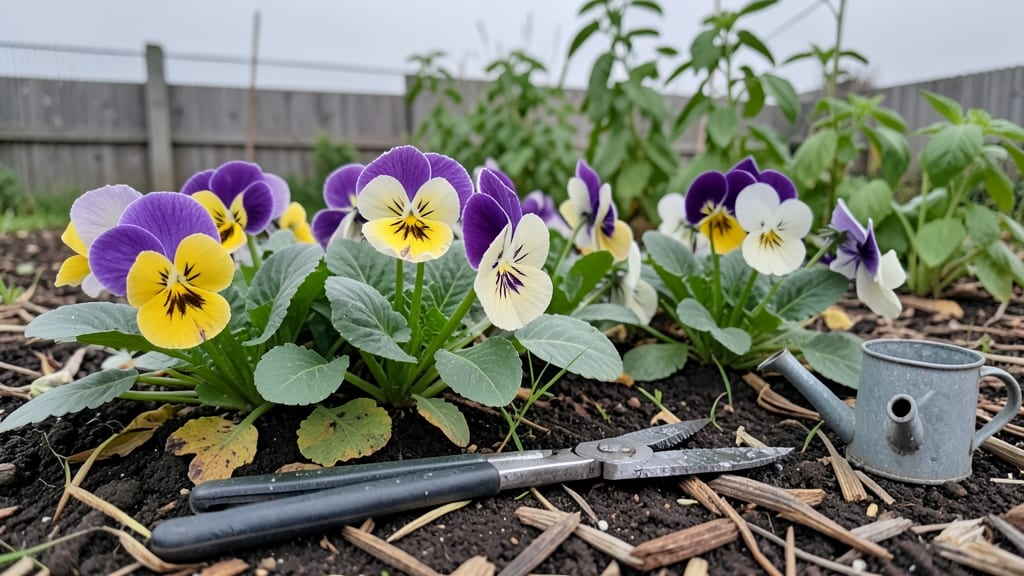
Keeping pansies flowering all season isn’t about luck—it’s about two simple tricks most gardeners miss. I’ve turned my springtime pansies into year-round stars by deadheading and feeding them just right, and the difference is shocking. Those drooping, spent blooms? They’re stealing energy from fresh flowers waiting to burst open.
The secret starts with snipping faded blooms every 5-7 days—no fancy tools, just clean scissors. Pair that with a light balanced fertilizer (10-10-10) every 3-4 weeks, and your pansies will reward you with nonstop blooms from early spring through frost.
The key is consistency: skip either step, and you’ll end up with leggy plants and half as many flowers.
What you’ll end up with is a vibrant carpet of color that never fades out. Even in heatwaves or mild winters, these tough little flowers keep producing if you give them the right care.
The best part? You’ll harvest cut flowers for weeks longer than your neighbors’ pansies that got neglected.
Works for container gardens, window boxes, or in-ground beds—just adjust watering for your setup. Here’s how to make it happen without the guesswork.
📚 In This Guide
- What you need
- Instructions
- Tips and common mistakes
- Wrapping up and next steps
What you need
- ● Pansy plants: Healthy, disease-free varieties (e.g., ‘Matrix,’ ‘Cool Wave,’ or ‘Majestic Giant’). Quantity: 3–5 plants per square foot for a lush display.
- ○ Well-draining potting mix or garden soil: Amend with compost (20–30% by volume) for nutrients. Optional: Add perlite or sand for better drainage.
- ● Balanced fertilizer: 10-10-10 or 20-20-20 (water-soluble). Quantity: 1 tbsp per gallon of water, applied every 2–3 weeks.
- ○ Pruning shears or sharp scissors: Clean, sterilized tools to avoid spreading disease. Optional: Small hand pruners for precision.
- ● Watering can or hose with a gentle nozzle: Avoid blasting flowers to prevent damage.
- ○ Mulch (optional): Organic mulch (e.g., straw or shredded bark) to retain moisture and regulate soil temperature.
- ● Sunlight: Partial shade (3–6 hours of morning sun) for most varieties. Note: Some cooler climates tolerate full sun.
- ● Temperature: Ideal range: 50–70°F (10–21°C). Protect from extreme heat or frost (below 20°F/-7°C).
- ○ Containers (if potted): 6–8 inches deep with drainage holes. Optional: Self-watering pots for convenience.
Instructions: simple pruning and care for continuous pansy blooms
Here’s the straightforward approach I’ve used to keep pansies flowering nonstop—no complicated schedules, just smart timing and a few key techniques.
Deadhead Spent Blooms Immediately
Pansies produce flowers constantly, but they won’t rebloom if you let the old ones linger. The moment you see a flower fade—its petals curling or center darkening—snip it off at the base with clean pruning shears. This redirects the plant’s energy into fresh buds instead of seed production.
I make it a habit to check my beds every 3-4 days during peak bloom season. A quick sweep through the plants removes 80% of spent blooms before they even notice. If you wait until flowers fully drop, you’ll lose that burst of new color for weeks.
Here’s the thing—pansies are tough, but they respond best to consistent care. Even if you miss a day, don’t stress. Just focus on removing anything that looks tired or brown. The goal is to keep the plant focused on flowering, not on setting seed.
Thin Out Overcrowded Foliage
When pansies get too crowded, they compete for nutrients and light, which slows down blooming. Every 2-3 weeks, look for stems that are growing leggy or producing mostly leaves instead of flowers. These are your clues that the plant needs a little pruning to breathe.
Use sharp scissors to trim back the longest stems by about one-third of their length. This encourages bushier growth and more flower production. I like to do this after a rain when the soil is moist—it’s easier on the plant and reduces stress.
Don’t overdo it, though. If you cut back too much at once, you’ll shock the plant and delay flowering. Think of it as a haircut: just enough to shape it up, not a buzz cut. You’ll see new growth within 5-7 days, and fresh blooms will follow.
Feed Lightly After Each Major Bloom Cycle
Pansies are heavy feeders, but they don’t need much at once. After you’ve deadheaded a batch of spent blooms, give them a light application of balanced fertilizer (like a 10-10-10 or 20-20-20). This keeps the soil rich enough to support continuous flowering without burning the plants.
I use about ½ teaspoon of granular fertilizer per square foot and water it in well. The key is consistency—don’t go heavy on one feeding and then skip the next. Pansies thrive on steady nutrition, not feast-or-famine cycles.
If you notice the leaves turning yellow or the stems getting soft, you’ve overdone it. Cut back on the fertilizer and focus on watering deeply instead. Pansies are more forgiving with water than with too-rich soil.
Protect from Harsh Conditions
Pansies are cold-hardy, but extreme heat or drought will make them bolt or stop flowering. During hot, dry spells, give them 1 inch of water per week—more if the soil feels dry 1 inch below the surface. Mulch with 1-2 inches of straw or shredded leaves to keep moisture in and roots cool.
In winter, a light layer of mulch (about 1 inch) helps insulate the plants from freezing temperatures. If you’re in a region with hard freezes below 10°F, consider covering them with frost cloth for a few nights. Pansies can handle cold, but they won’t bloom if they’re struggling to survive.
Watch for signs of stress—wilting leaves, yellowing edges, or flowers that drop prematurely. These are your cues to adjust watering or shading. A little extra care in tough conditions keeps them blooming longer.
Rotate Plantings for Season-Long Color
For true year-round blooms, I stagger my plantings. Start with early-season pansies in late summer, then add a second batch in early fall. This way, as the first group starts to fade, the second one is just hitting its peak.
If you’re in a mild climate, you can even plant a third batch in late winter for a spring burst. Just make sure each new group gets the same deadheading and feeding routine. The secret is keeping at least one group in full bloom at all times.
This method takes a little planning, but it’s worth it. You’ll have a continuous display of color instead of a few weeks of flowers followed by bare stems. Plus, it’s a great way to extend your garden’s season without extra work.
Tips & tricks for perfect pansy blooms year-round
Keeping pansies blooming continuously isn't about complicated gardening—it's about timing, observation, and a few key techniques that make all the difference.
Timing is Everything in Step 1: The 3-4 day deadheading schedule in Step 1 works best when you do it in the morning after dew has dried. This gives the plant the entire day to recover and redirect energy to new blooms. I've found that removing faded flowers before noon prevents the plant from expending energy on seed production that night, which is when most plants naturally prepare for reproduction.
Visual Cues Matter More Than the Clock: In Step 2, when thinning overcrowded foliage, look for stems that are growing at a 45-degree angle or more—these are your leggy indicators. The one-third trim recommendation works best if you're cutting just above a leaf node where new growth can sprout. I've seen pansies recover from even more aggressive pruning, but the 5-7 day regrowth window is only reliable when you follow this precise cut point.
Fertilizer Application Precision: The ½ teaspoon per square foot measurement in Step 3 might seem small, but it's crucial. I've learned this the hard way—using even ¼ teaspoon more can cause fertilizer burn, especially in hot weather. Always water the fertilizer in immediately after application to help distribute it evenly and prevent salt buildup around the roots.
Seasonal Adjustments for Step 4: The 10°F threshold mentioned for winter protection is actually quite forgiving for pansies. In my zone 5 garden, I've seen pansies survive unprotected down to 5°F, but the blooms do suffer. The key is monitoring weather forecasts—if a hard freeze is predicted, that's when I bring out the frost cloth. A light layer of mulch (never more than 1-2 inches) is sufficient for most winter protection needs.
Pro Tips for Keep Pansies Flowering
- Keeping pansies blooming continuously isn't about complicated gardening—it's about timing, observation, and a few key techniques that make all the difference.
- Timing is Everything in Step 1: The 3-4 day deadheading schedule in Step 1 works best when you do it in the morning after dew has dried.
- Visual Cues Matter More Than the Clock: In Step 2, when thinning overcrowded foliage, look for stems that are growing at a 45-degree angle or more—these are your leggy indicators.
Frequently asked questions
Got questions about keeping your pansies blooming bright all season? You’re not alone! Here are answers to the most common concerns—straight from gardeners who’ve mastered the art of pansy care.
Why aren’t my pansies flowering?
If your pansies are putting out leaves but skipping the blooms, it’s often due to overcrowding or lack of sunlight. Pansies need at least 4–6 hours of sun daily and space to breathe. Try thinning out plants or relocating them to a sunnier spot. Cold snaps can also pause flowering—protect them with a light row cover if temps drop below 20°F.
Can I keep pansies blooming in winter?
Pansies are cold-hardy (down to 20°F) and can flower through winter with a little TLC. Mulch heavily around the base (4–6 inches of straw or leaves) to insulate roots. In freezing zones, cover plants with frost cloth on crisp nights. Just watch for mold or rot—water at the soil level to avoid damp foliage.
How often should I deadhead pansies?
Deadheading is key to encourage continuous blooms! Snip off spent flowers regularly—every 1–2 weeks—using clean scissors. Cut just above a leaf pair to avoid damaging the plant. Pro tip: If you’re short on time, pinch off the top 1–2 inches of growth to promote bushier plants and more flowers. No deadheading? You’ll still get blooms, but they’ll be fewer and less vibrant.
What if my pansies stop flowering after a big rain?
Heavy rain can stress pansies by causing leaf rot or fungal issues, which temporarily halts blooming. Fix it fast:
- Improve drainage by adding sand or gravel to the soil.
- Space plants 12–18 inches apart for airflow.
- Use a fungicide spray (like neem oil) if you spot mold.
Are there pansy alternatives that flower longer?
If pansies aren’t cutting it for you, try these long-blooming alternatives that thrive with minimal fuss:
- Violas (Johnny-jump-ups) – Cold-hardy, bloom year-round, and come in tiny but vibrant colors.
- Calendula – Edible, drought-tolerant, and flowers nonstop from spring to frost.
- Sweet alyssum – Fragrant, spreads fast, and attracts pollinators all season long.
Wrapping up and next steps
Keeping your pansies blooming year-round is simpler than you think! With the right care—like deadheading spent blooms, pruning leggy stems, and ensuring they get bright light and balanced nutrients—you’ll enjoy vibrant color even in cooler months.
A little consistency goes a long way, so don’t let a few missed steps discourage you. 🌸
Ready to transform your garden into a nonstop floral show? Start by grabbing your pruners and giving your pansies a little TLC today—your future blooms will thank you!