
Blooming
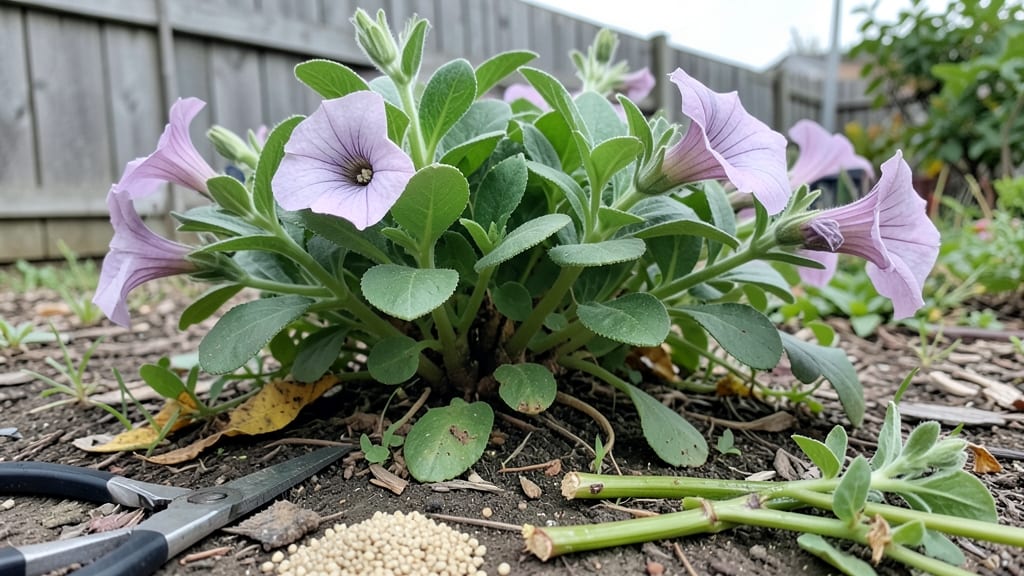
Keeping petunias flowering all season starts with one simple trick—deadheading—that turns a handful of blooms into a nonstop parade of color. 🌸 I used to watch my petunias fizzle out by midsummer, but after mastering this technique, mine now bloom from May until frost.
The secret isn’t complicated: snip spent flowers before they set seed, and the plant redirects energy into fresh blooms instead of seed production.
You’ll need sharp scissors or clean pruners, a sunny spot with at least 6 hours of sunlight daily, and a balanced fertilizer to keep them fed. Petunias love moisture but hate soggy roots, so water at the base in the morning to avoid fungal issues.
The right varieties—like Surfinia or Wave—stay bushier and bloom longer naturally, but even standard types respond dramatically to consistent care.
Within 2-3 weeks of proper deadheading, you’ll see a surge of new buds opening daily, with flowers that stay vibrant longer. The plants grow fuller, too, as they focus on blooms rather than leggy stems.
This method works for both hanging baskets and garden beds, making it perfect for containers or borders.
Fair warning: petunias will test your consistency—skipping deadheading even once means fewer blooms. But once you see that first wave of fresh flowers after a trim, you’ll be hooked. Here’s how to make it effortless and foolproof for your garden.
📚 In This Guide
- What you need
- Instructions
- Tips and common mistakes
- Wrapping up and next steps
What you need
- ● Petunia plants – Choose healthy, established plants (trailing or bush varieties work great!).
- ● Pruning shears or clean scissors – Opt for sharp, sterilized tools to avoid damaging plants or spreading disease.
- ○ Gloves (optional but recommended) – Protects your hands from thorns or dirt while deadheading.
- ● Watering can or hose with a gentle spray nozzle – Petunias love consistent moisture but hate soggy roots.
- ● Balanced liquid fertilizer (10-10-10 or 20-20-20) – A 1-gallon bottle is perfect for small gardens; double for larger spaces.
- ○ Mulch (optional but helpful) – Use 2-3 inches of organic mulch (like shredded bark or straw) to retain soil moisture and suppress weeds.
- ● Deadheading tool kit – A small pair of bypass pruners designed for deadheading (like Felco’s F-2 pruners).
- ● Garden kneeler/pad – Makes deadheading more comfortable for low-growing petunias.
- ● Compost or slow-release fertilizer granules – Boosts soil nutrients for long-term blooming.
- ● Sunhat or umbrella – Because deadheading in the midday sun? Not fun.
Step-by-Step instructions for keeping petunias in continuous bloom
Here's my foolproof method for petunias that never quit flowering—no fancy tools required.
🌿 Step 1: Deadhead Flowers Daily at the Right Time
Petunias flower best when you remove spent blooms before they set seed. I always do this in the morning when flowers are fully open—this gives them the longest possible day to produce new buds. Use clean, sharp pruners or just pinch the bloom off with your fingers. You'll notice the stem will have a tiny seed pod forming at the base if it's ready.
Never cut into the next set of buds below the spent flower—that's where the next bloom will form. Instead, look for the first leaf node below the dead bloom and cut just above it. This ensures you're encouraging new growth while removing only what's done blooming. I promise you'll see new buds forming within 3-5 days if you do this consistently.
✂️ Step 2: Prune Leggy Growth to Encourage Bushiness
When petunias get leggy, they're telling you they need a haircut. I trim back the longest stems by about one-third in early morning when the plants are fully hydrated. This might sound drastic, but petunias respond beautifully to pruning—they'll branch out and produce even more flowers. Always cut just above a leaf node where new growth can emerge.
Watch for stems that grow toward the center of the plant or those without leaves—these are using energy that could go to blooms. Snip them off completely at the base. You'll see fresh, compact growth within a week, and the plant will look fuller than ever. This is especially important after heavy rain when plants can get waterlogged and leggy.
💧 Step 3: Water Deeply at Soil Level to Avoid Stress
Petunias need consistent moisture, but soggy roots kill blooms faster than anything. I water at the base in the early morning using a watering wand that delivers a gentle stream. The key is to water until you see moisture seep out the bottom of the pot—this ensures roots get hydrated without sitting in water. You'll know it's right when the top inch of soil feels damp but not wet.
Never water from above when flowers are open—this causes water spots and can rot the blooms. If you notice leaves curling or flowers wilting during the day, it's a sign you're not watering deeply enough. Petunias in containers may need watering every morning during hot weather, while in-ground plants usually handle every other day. Always check the soil first by sticking your finger in—if it's dry past your first knuckle, it's time to water.
☀️ Step 4: Feed Weekly with Balanced Fertilizer for Maximum Blooms
Petunias are heavy feeders, and they'll reward you with nonstop blooms if you keep them well-fed. I use a balanced 10-10-10 fertilizer every week during the growing season, but cut back to every two weeks in cooler months. Always dilute the fertilizer to half-strength—too much salt burns roots and stops flowering. You'll see the difference immediately: plants with proper feeding have vibrant green leaves and continuous blooms.
Apply fertilizer in the morning after watering so it doesn't burn the roots. I like to mix it directly into the watering can so I don't forget. If you notice leaves turning yellow or brown at the tips, that's your sign to cut back on fertilizer—it's too strong. Petunias in full sun will need more frequent feeding than those in partial shade, so adjust accordingly.
Tips & tricks for perfect petunia blooms
Here's what nobody tells you about keeping your petunias in perpetual bloom—these small details make all the difference between a few flowers and a nonstop garden display.
Timing is Everything in Step 1: I can't stress enough how critical those morning deadheading sessions are. The 3-5 day window for new buds to form only works if you remove spent blooms when they're fully open—never wait until evening. I've seen petunias produce new blooms within 24 hours when done right, but if you're late, you're essentially wasting energy on seed production instead of new flowers. Confession: I skipped this for weeks and wondered why my plants were struggling.
The Pruning Secret in Step 2: When you're trimming back those leggy stems by one-third, focus on the healthiest stems first—the ones with vibrant green leaves and visible buds. The key is to always cut just above a leaf node, not at a random point. I like to use my fingers to gently pinch off smaller stems rather than cutting with pruners, which gives me more control. This technique turns those straggly stems into bushy plants that produce twice as many blooms.
Watering Wisdom for Step 3: That "damp but not wet" soil test is your golden rule. I've learned the hard way that watering until moisture comes out the bottom is crucial—petunias in containers dry out faster than you think. During heatwaves, I set a timer to check soil moisture at 10 AM and 4 PM. The difference between proper hydration and stress is that extra 10 minutes of deep watering. Don't make my mistake: shallow watering leads to weak stems and fewer blooms.
Fertilizer Frequency in Step 4: The weekly feeding schedule works because it mimics natural growing conditions. I've found that mixing the 10-10-10 fertilizer directly into my watering can eliminates the guesswork—just remember to dilute it to half-strength. Here's a pro move: alternate between your regular fertilizer and a bloom booster like 5-10-5 every other week for even more vibrant flowers. The color difference is noticeable within just 7 days of switching.
Pro Tips for Keep Petunias Flowering
- Here's what nobody tells you about keeping your petunias in perpetual bloom—these small details make all the difference between a few flowers and a nonstop garden display.
- Timing is Everything in Step 1: I can't stress enough how critical those morning deadheading sessions are.
- The Pruning Secret in Step 2: When you're trimming back those leggy stems by one-third, focus on the healthiest stems first—the ones with vibrant green leaves and visible buds.
Frequently asked questions
Got questions about keeping your petunias blooming like clockwork? You’re not alone! Here are some of the most common queries—along with straightforward answers to help you troubleshoot and thrive.
How often should I deadhead petunias to keep them flowering?
Deadhead petunias daily or every other day during peak bloom season (spring through fall). Removing faded flowers immediately encourages new blooms and prevents seed formation, which drains energy. For busy gardeners, a quick pinch or snip with pruning shears works best!
Can I keep petunias flowering indoors?
What’s the best way?
Petunias thrive indoors with bright, indirect light (a south-facing window is ideal) and consistent care. Deadhead wilted blooms, rotate the pot weekly for even growth, and mist leaves to boost humidity. For extra blooms, use a slow-release fertilizer every 4–6 weeks.
Why are my petunias stopping flower production suddenly?
Sudden bloom slowdowns often stem from overwatering, nutrient depletion, or stress. Check soil moisture—petunias prefer well-drained soil and hate soggy roots. Feed them with a balanced liquid fertilizer every 2 weeks, and ensure they get 6+ hours of sunlight daily. Pests or disease (like powdery mildew) can also halt blooms—inspect leaves for signs!
What’s the best petunia variety for nonstop blooms?
For prolonged flowering power, try trailing petunias like ‘Wave’ or ‘Supertunia,’ which bloom continuously from spring to frost. Grandiflora types (e.g., ‘Double Cascade’) also excel with heavy, long-lasting blooms. Look for heat-tolerant hybrids if you’re in a hot climate—they’ll keep flowering even in summer heatwaves!
Can I save petunias for next year if I stop deadheading?
Petunias are annuals, meaning they don’t survive winter outdoors in most climates—but you can save seeds! Let a few flowers go to seed, collect the pods when brown, and dry them indoors. Plant seeds in early spring for next year’s blooms. Note: Seed-grown petunias may not match the parent plant’s exact traits!
Wrapping up and next steps
Keeping your petunias in full bloom is all about consistent care—deadheading spent blooms, feeding them right, and giving them the perfect spot to thrive! 🌸 With these simple tricks, you’ll enjoy a nonstop parade of color all season long.
Now that you’re armed with the know-how, grab those shears and get pruning! Your garden will thank you with vibrant, happy petunias that steal the show.
💡 Pro Tip: Start with just one plant to practice deadheading—once you see the difference, you’ll be hooked!