
Blooming
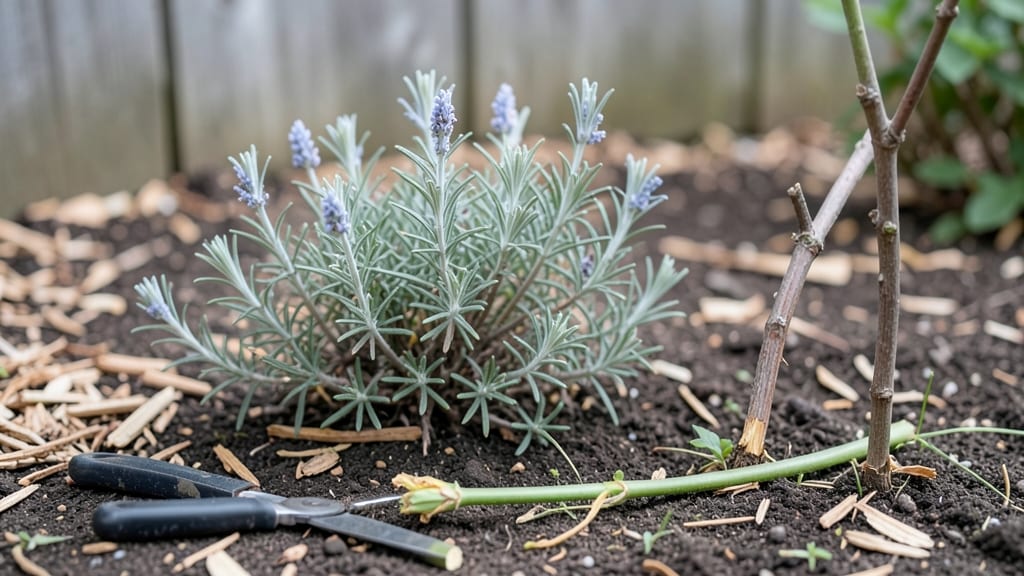
Keeping salvias flowering all season is easier than you think—it just takes a few simple tweaks to their care routine. 🌿 I’ve watched my salvias go from sporadic blooms to nonstop color by focusing on three key areas: when and how to prune, the right feeding schedule, and keeping the roots happy without drowning them.
The biggest mistake I see is pruning at the wrong time. Cut back woody stems in late winter or early spring, but never after the first flush of flowers—you’ll sacrifice that season’s blooms.
Feed lightly with a balanced fertilizer every 4-6 weeks, and water deeply but infrequently to encourage strong root growth. Most salvias hate soggy soil, so let the top inch dry out between waterings.
With these adjustments, you’ll end up with salvias that look like they’re on a perpetual parade of color. The foliage stays vibrant, the stems stay sturdy, and you’ll be the neighbor with the showstopper garden that never quits. The secret isn’t complicated—it’s consistent care tailored to their natural habits.
Works for annuals like Salvia splendens, perennials like Salvia nemorosa, and even your drought-tolerant favorites. Once you get the rhythm, you’ll wonder why you ever struggled with them before. Let’s get those blooms going strong!
📚 In This Guide
- What you need
- Instructions
- Tips and common mistakes
- Wrapping up and next steps
What you need
- ● Salvia plants: 1–3 mature salvia plants (per pot or garden bed), depending on desired coverage. Choose varieties like Salvia nemorosa, Salvia officinalis, or Salvia leucantha.
- ○ Optional: Seedlings or cuttings for propagation (if expanding your collection).
- ● Well-draining potting mix: 1–2 bags (1–2 cubic feet each) of cactus/succulent mix or a blend of 60% potting soil + 30% perlite + 10% coarse sand.
- ● For containers: Ensure pots have drainage holes (5–10" diameter for 1–2 plants).
- ● Fertilizer: 1 bottle of balanced liquid fertilizer (10-10-10 or 20-20-20, diluted to half-strength).
- ● Slow-release granules: 1–2 cups of low-nitrogen, high-phosphorus fertilizer (e.g., 5-10-10) per season.
- ● Pruning tools: 1 pair of sharp, clean pruning shears (sterilized with rubbing alcohol).
- ○ Optional: Hand pruners for smaller stems.
- ● Mulch: 1–2 bags of organic mulch (e.g., straw, pine bark, or gravel) to retain moisture and regulate soil temp.
- ● Sunlight: 6–8 hours of full sun daily (morning sun + afternoon shade in hot climates).
- ● Water: Drip irrigation or soaker hose (avoid overhead watering to prevent fungal issues).
- ● Temperature: Ideal range: 60–85°F (15–29°C).
- ● Hardy to USDA Zones 5–10 (adjust care for extreme temps).
- ○ Optional (for winter care): 1–2 frost cloths or mini greenhouse covers for tender varieties.
- ● 1 heat mat (for container-grown salvias in cold climates).
Step-by-Step instructions for keeping salvias in continuous bloom
Here’s how I keep my salvias flowering nonstop—no tricks, just consistent care.
🌿 Step 1: Prune Strategically After Each Flowering Cycle
Once your salvias finish blooming, cut back the spent flower spikes down to just above a set of healthy leaves. This prevents seed formation, which drains the plant’s energy. I always use sharp, clean pruners to avoid damaging stems—dull blades crush tissue and invite disease.
Here’s the thing—don’t prune too late. If you wait until new buds form, you’ll remove potential blooms. Instead, prune right after the last flower fades, usually in late spring or early summer for most varieties. This encourages a second flush of flowers by redirecting energy to new growth.
After pruning, give your salvias a light feeding with a balanced, water-soluble fertilizer (like 10-10-10) diluted to half strength. The goal is to stimulate fresh foliage without burning tender new shoots. Water deeply right after to help the plant recover and flush out any fertilizer residue.
☀️ Step 2: Provide Consistent Light and Water
Salvias thrive in full sun (6+ hours daily), but they’ll still bloom with 4-6 hours if your climate is hot. The key is avoiding extreme heat stress—if leaves start curling or turning yellow, they’re getting too much midday sun. I often place mine where they get morning sun and afternoon shade in peak summer.
Watering is where most people go wrong. Keep the soil evenly moist but never soggy—salvias hate wet roots. I check moisture by sticking my finger 1 inch deep into the soil. If it feels dry, water until it runs out the drainage holes. Let it dry slightly between waterings, especially in winter when growth slows.
Here’s a pro tip: Group your salvias together in the garden. Their shared root zone retains moisture better than isolated plants, reducing the need for frequent watering. Mulch with 2-3 inches of organic mulch (like shredded bark) to lock in moisture and keep roots cool.
✂️ Step 3: Deadhead and Fertilize Mid-Season
Deadheading isn’t just about looks—it’s the secret to prolonging blooms. Pinch off spent flowers as soon as they fade, using your fingers or small pruners. This prevents seed heads from forming, which signals the plant to stop flowering. I do this every 2-3 days during peak bloom to keep my salvias producing nonstop.
Midway through the growing season (around mid-summer), switch to a low-nitrogen, high-phosphorus fertilizer (like 5-10-5) to encourage more flowers. Too much nitrogen makes salvias focus on leaves instead of blooms. I mix it at half strength and water it in thoroughly—never let it sit on the foliage, or you’ll burn the leaves.
Watch for leggy growth—this is your cue to prune again. Cut back the longest stems by one-third, just above a leaf node. This forces the plant to branch out and produce more flowering stems. You’ll see new buds forming within 2-3 weeks of this pruning.
🌱 Step 4: Adjust Care for Seasonal Changes
As temperatures drop in fall, reduce watering by half and stop fertilizing entirely. Salvias go semi-dormant in winter, and overwatering is the fastest way to rot their roots. I let the soil dry out more between waterings, but I still keep it lightly moist—completely dry soil stresses the plant.
In late winter (around February), give your salvias a light trim to remove any dead or crossing branches. This improves airflow and prepares them for spring growth. I also move potted salvias to a bright, cool location (like a garage with windows) to simulate their natural dormancy period.
Here’s the moment that matters: When new growth appears in early spring, resume regular watering and fertilizing. This jumpstarts the flowering cycle. You’ll see fresh buds forming within 4-6 weeks, and with consistent care, your salvias will bloom again by late spring.
Tips & tricks for perfect Salvia bloom maintenance
Mastering these simple adjustments will transform your salvias from seasonal bloomers to year-round showstoppers.
Pruning Precision: When you prune in Step 1, look for the first set of healthy leaves below the spent blooms - this is your perfect cut point. I've learned the hard way that cutting too close to the stem can damage the plant's ability to regenerate new growth. Use clean pruners and make cuts at a 45-degree angle to prevent water from pooling on the wound, which could lead to rot. The goal is to remove only the dead flowers while preserving the plant's energy reserves for new blooms.
Light Management: For the 6+ hours of sun in Step 2, pay special attention to afternoon heat. If your salvias are in containers, move them to a shadier spot during peak afternoon sun (usually 2-5 PM). I've noticed that afternoon shade makes a huge difference in preventing leaf burn while still allowing enough light for flowering. For garden salvias, planting near taller plants that provide natural afternoon shade works beautifully. This balance is key to maintaining that vibrant foliage and continuous blooms.
Deadheading Discipline: The 2-3 day deadheading schedule in Step 3 is non-negotiable during peak bloom. I set a reminder on my phone because I've caught myself skipping this step when the flowers are particularly abundant. Use your fingers to pinch off spent blooms - you'll feel the tiny seed heads forming at the base. Removing these prevents the plant from diverting energy to seed production, which would halt flowering. This simple habit keeps your salvias producing flowers continuously throughout the growing season.
Seasonal Transition Strategy: When adjusting care in Step 4, don't be afraid to be dramatic with your watering changes. The shift from regular watering to half in fall is crucial - I've seen salvias develop root rot from overwatering during their semi-dormant winter period. For potted salvias, move them to a garage or sheltered area where temperatures stay between 40-50°F. This cool, bright location mimics their natural dormancy period and prevents the stress of winter conditions.
Pro Tips for Keep Salvias Flowering
- Mastering these simple adjustments will transform your salvias from seasonal bloomers to year-round showstoppers.
- Pruning Precision: When you prune in Step 1, look for the first set of healthy leaves below the spent blooms - this is your perfect cut point.
- Light Management: For the 6+ hours of sun in Step 2, pay special attention to afternoon heat.
Frequently asked questions
Got questions about keeping your salvias blooming nonstop? You’re not alone! Here are answers to the most common queries from gardeners like you:
Why aren’t my salvias flowering?
If your salvias are leaves-only, they might need a boost! Salvias thrive on light—ensure they get 6+ hours of sun daily. If they’re in shade, move them or supplement with grow lights. Prune spent blooms regularly to encourage new flowers, and check for nutrient deficiencies (like low phosphorus). A balanced fertilizer can work wonders!
How often should I deadhead salvias?
Deadheading is key to continuous blooms! Pinch off faded flowers every 1–2 weeks to redirect energy into new buds. For annual salvias, frequent deadheading keeps them blooming all season. For perennials, light pruning after blooming encourages a second flush. Wear gloves—some salvias have prickly stems!
Can I fertilize salvias too much?
Yes! Over-fertilizing can burn salvias, leading to weak growth and fewer flowers. Use a low-nitrogen, high-phosphorus fertilizer (like 5-10-5) every 4–6 weeks. Organic options like fish emulsion or compost tea work well too. Less is more—stick to the package instructions!
Will salvias bloom in containers?
Absolutely! Salvias love containers, especially compact varieties like Salvia microphylla or Salvia ‘Hot Lips’. Choose well-draining pots (clay works great) and use fertile potting mix. Water consistently but avoid soggy soil—salvias hate wet feet! Rotate pots occasionally for even sun exposure.
Why are my salvias leggy and sparse?
Leggy salvias often signal too little light or overcrowding. Prune back leggy stems to encourage bushier growth, then provide full sun. If they’re crowded, divide clumps every 2–3 years to refresh them. Support tall varieties with stakes if needed. A little hard pruning in early spring can reset their shape too!
Wrapping up and next steps
Keeping your salvias blooming year-round is all about understanding their needs—sunlight, water, soil, and a little seasonal care. With the right balance of deadheading, fertilizing, and seasonal adjustments, you’ll enjoy vibrant flowers that brighten up your garden or containers. 🌸
Now that you’re armed with these bloom secrets, why not take the next step? Experiment with a few new salvia varieties or share your tips with fellow plant lovers! Your garden’s next masterpiece is just a bloom away. 🌿