
Blooming
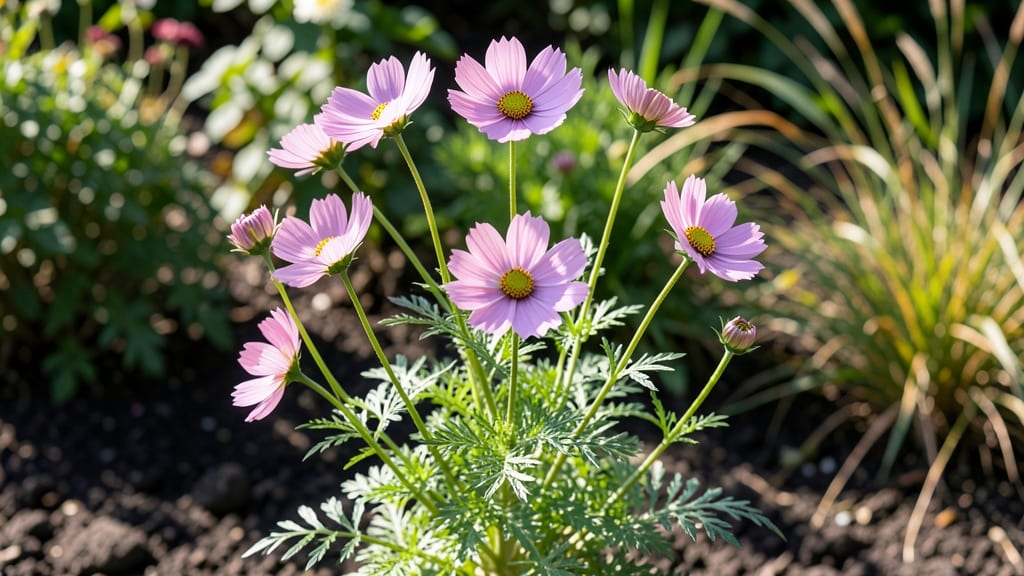
Your cosmos flowering season stretches from late spring through early fall 🌸 — but the exact timeline depends on your USDA zone and a few simple growing habits.
If you’ve ever dreamed of a vibrant garden bursting with effortless, sun-loving blooms, cosmos flowers are your perfect companion—but timing is everything. Knowing the exact months for peak cosmos flowering season in your USDA zone can mean the difference between a stunning display and a disappointing wait.
In cooler zones like 6a, blooms typically kick off in June and last until the first frost in October. Warmer climates push that window even earlier, with some varieties starting as soon as May and continuing well into November.
The secret? Planting in April-May after the last frost, giving them full sun and well-drained soil.
Below, I’ll break down the month-by-month flowering timeline by zone, plus pro tips to extend your blooms—like deadheading, soil care, and watering tricks that keep your cosmos thriving all season long.
Exact cosmos flowering season by USDA zone: month-by-month guide
If you're planning your garden around cosmos blooms, understanding the exact flowering season for your USDA zone is key. Cosmos thrive in warm climates but adapt beautifully to cooler regions with slight timing shifts.
From the early blooms of 'Sensation' in Zone 3 to the extended fall displays of 'Seashells' in Zone 11, each zone offers unique bloom windows that can transform your garden.
The cosmos flowering season typically spans from late spring through early fall, but the exact months depend heavily on your location. In warmer zones (9-11), you might enjoy blooms from May through November, while cooler zones (3-6) see a more condensed summer display.
Even within these ranges, varieties like 'Bright Lights' (with its striking foliage) may bloom slightly earlier than classic pink cosmos.
Let's dive into the month-by-month breakdown for each USDA zone, including adjustments for regional microclimates. This guide will help you time your plantings for maximum bloom impact and even extend the season with simple techniques.
| USDA Zone | Early Blooms | Peak Blooms | Late Blooms | Top Variety | Climate Note |
|---|---|---|---|---|---|
| 3-4 | Late June | July-August | Early September | 'Sensation Mix' | Short season; plant after frost |
| 5-6 | Early June | July-September | Mid-October | 'Bright Lights' | Longer season with deadheading |
| 7-8 | May | June-October | November | 'Seashells' | Extended blooms with warm winters |
| 9-10 | April | May-November | December | 'Double Click' | Year-round blooms possible |
| 11 | March | April-December | January | 'Purity' | Continuous blooms with mild winters |
🌱 Note: Timing may shift 2-4 weeks earlier in coastal regions or desert climates
In USDA Zones 3-4, where summers are short, cosmos like 'Sensation Mix' typically begin blooming in late June and peak through August. The cool nights of these zones can delay early blooms, so starting seeds indoors 6-8 weeks before your last frost date gives you a head start.
I've found that black plastic mulch around plants can warm the soil and encourage earlier flowering.
For Zones 5-6, the flowering season stretches from early June through mid-October, making cosmos a perfect summer-to-fall staple. Varieties like 'Bright Lights' stand out with their colored foliage and can continue blooming if you deadhead regularly.
In my Zone 5 garden, I've extended the season by 3-4 weeks by removing spent blooms and adding a light layer of compost in early summer.
Gardeners in Zones 7-8 enjoy the longest cosmos flowering season, with blooms appearing as early as May and continuing through November. The 'Seashells' variety is particularly stunning here, with its ruffled petals
How to extend your cosmos flowering season naturally
Cosmos flowers are the effortless superstars of the summer garden, but their natural blooming season often fades too soon. With the right techniques, you can stretch those cheerful cosmos blooms from early summer all the way through the first frost.
The secret lies in understanding how to support their growth without overwhelming them—because cosmos thrive on minimal intervention once established.
I’ve found that combining simple deadheading, strategic soil nutrition, and thoughtful watering habits can transform a 6-week bloom cycle into a 4-month floral extravaganza. Even better? These methods work for all cosmos varieties—from the classic 'Sensation Mix' to the striking 'Bright Lights' with its burgundy foliage.
Master the Art of Deadheading
Remove spent blooms daily to prevent seed formation. This redirects energy to new flowers instead of seed production. Use clean pruning shears and cut just above a leaf node.
Feed Lightly, Feed Often
Use a balanced 5-10-10 fertilizer every 4-6 weeks during peak bloom season. Avoid high-nitrogen feeds—cosmos respond better to phosphorus and potassium for flowering.
Water Deeply in the Morning
Give cosmos a deep soak every 3-5 days rather than frequent shallow watering. Wet soil to 6 inches deep to encourage strong root growth. Always water at dawn to prevent fungal diseases.
Choose the Right Companions
Plant cosmos near basil, marigolds, or nasturtiums to deter pests naturally. Avoid planting with tomatoes or peppers, which compete for nutrients and attract similar pests.
Mulch for Moisture Retention
Apply 2-3 inches of mulch (straw or shredded leaves) around plants to retain moisture and suppress weeds. This reduces watering frequency by 30% while keeping roots cool.
Don’t overlook the power of succession planting either. If your first batch of cosmos starts fading by late August, simply sow a fresh batch of seeds. Cosmos germinate quickly in warm soil, giving you a second wave of blooms just as the first begins to decline.
This two-pronged approach ensures continuous color from July through October in most climates.
One final tip: cosmos are incredibly drought-tolerant once established, but they’ll reward you with longer blooming seasons if you give them consistent care. The key is balance—enough water to keep them thriving, but not so much that you invite disease.
I’ve seen cosmos continue blooming right up until a hard frost with these methods, proving that nature’s beauty doesn’t have to be fleeting.
With these natural extensions, your cosmos will keep performing like the low-maintenance superstars they are—year after year. The best part? You’ll spend less time fussing and more time enjoying their effortless charm. 🌻