
How To
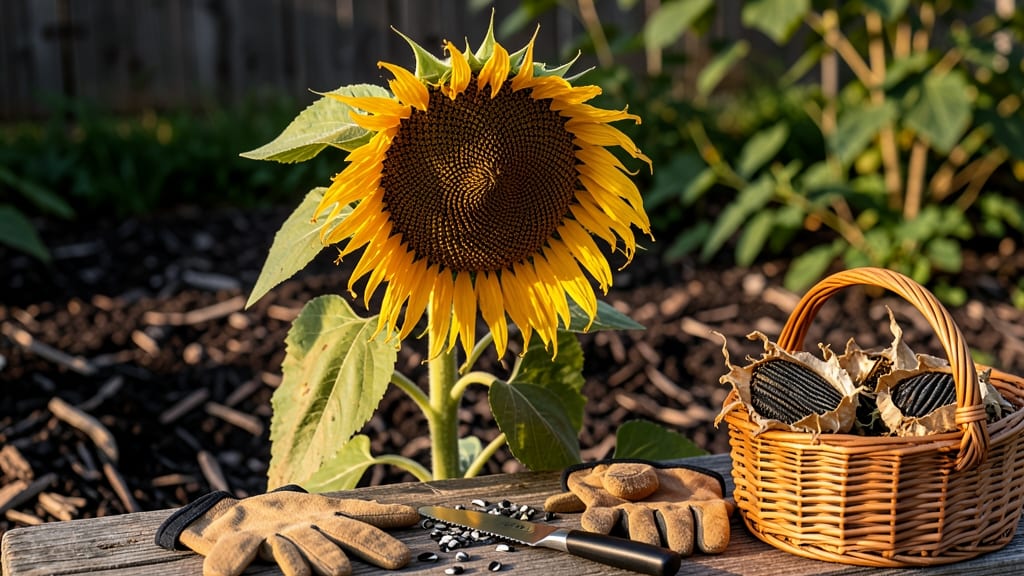
To know when sunflower seeds are ready, watch for the back-of-head snap test and seed head color shifts — these are the key signs that turn a good harvest into a perfect one.
Harvesting sunflower seeds at the perfect moment means the difference between a crunchy, flavorful snack and a bitter, wasted plant. If you’ve ever cracked open a seed head too soon only to find green, unripe seeds, you know how frustrating it can be.
The right timing ensures seeds are fully mature, rich in flavor, and ready for planting or snacking.
Your sunflower 🌻 should have dry, brown petals that have mostly fallen off, and when you give the seed head a firm shake, the seeds should rattle inside like marbles. This back-of-head snap test is the foolproof way to confirm readiness without guessing.
Below, I’ll walk you through the exact visual cues, the best time of day to check, and how to handle seeds once they’re ready—so you never miss the window again.


The back-of-head snap test: proven method to check sunflower seed ripeness
Sunflowers are one of the most rewarding plants to grow, especially when you harvest seeds for planting or snacking. But knowing exactly when to harvest can be tricky—pick too early, and you’ll get bitter, underdeveloped seeds.
The back-of-head snap test is the gold standard for determining ripeness, and I’ve used it for years to guarantee perfect seeds every time.
This test works by checking the seed head’s maturity through a simple auditory cue: a crisp snap when you gently tap the back of the head. It’s foolproof if you do it right, and I’ll walk you through every detail—from timing to environmental factors that can throw off your results.
How to Perform the Back-of-Head Snap Test
- 1 Wait 80-120 days after planting. Most sunflower varieties take 100-110 days to reach maturity, but check your seed packet for exact timing.
- 2 Choose a dry day with low humidity (below 60%). Moisture can make seed heads feel heavier and dampen the snap sound.
- 3 Gently tap the back of the seed head with your knuckles. Aim for a firm, hollow sound—like knocking on a wooden door. If it sounds dull, the seeds aren’t ready.
- 4 Listen for a crisp snap. A loud, clear "pop" means the seeds are fully mature and loose inside the head. If it’s soft or muffled, wait 3-5 more days and test again.
- 5 Verify with visual cues: The petals should be dry and brown, and the back of the head should turn tan or brown. If seeds still feel sticky or the head is green, they’re not ready.
Timing is everything with sunflowers. Most varieties reach maturity between 80 and 120 days after planting, but environmental factors like temperature and humidity can speed up or slow down the process. For example, hot, dry summers often mean faster ripening, while cool, wet conditions can delay it by weeks.
I once harvested a batch of seeds too early because of unexpected rain, and they were bitter and shriveled. Since then, I’ve made it a rule to test seeds every 2-3 days during the final week of their expected maturity window.
Patience pays off—waiting just a few extra days for that perfect snap ensures crisp, flavorful seeds every time.
Another pro tip: Harvest in the morning when humidity is lowest. This gives you the best chance of hearing that crisp snap and avoids the risk of seeds sticking to the head due to morning dew.
If you’re unsure, cut the head and hang it upside down in a dry, well-ventilated spot for a few days. The seeds will finish drying, and you’ll know for sure when they’re ready.
Environmental factors like high humidity or unseasonable rain can trick you into thinking seeds are ready when they’re not. If the air feels heavy or you see dew on the plants in the morning, wait an extra day or two before testing.
The snap test only works when the seed head is completely dry.
Once you hear that satisfying snap, it’s time to harvest! Use a sharp pair of pruners or shears to cut the seed head, leaving a 1-2 inch stem attached.
This makes it easier to hang and dry the seeds properly. Avoid pulling or twisting the head—this can damage the stem and make drying more difficult.
If you’re growing sunflowers for seed collection, timing is critical. Seeds harvested too early won’t germinate well, while seeds left too long on the plant may scatter or attract pests. The snap test is your best friend here—it’s instant feedback that tells you exactly when to act.
Remember, every sunflower variety has slightly different maturity times. Dwarf varieties might be ready in as little as 70 days, while giant varieties can take up to 130 days. Always check your seed packet for guidance, but trust the snap test as the final word.
Visual and physical signs sunflower seeds are ready for harvest
Beyond the classic back-of-head snap test, sunflower seeds reveal their readiness through subtle but unmistakable visual and physical cues. The first sign is the seed head's color shift—when the back turns from green to deep brown, signaling maturity.
This transformation often begins at the base of the head and progresses upward.
Pay attention to the petals' condition too. While they may start drooping naturally, fully ready seeds will have petals that have fallen off entirely or turned crispy and brown. This indicates the plant has redirected its energy toward seed development rather than flower maintenance.
Here’s where things get exciting: seed color changes inside the head. Look for seeds with distinct black and gray stripes—this pattern confirms they’re fully mature. Immature seeds appear whitish or pale, lacking the bold contrast of readiness.
Don’t overlook the seed density test, which is simpler than it sounds. Gently shake a mature seed head—if seeds rattle loudly inside, they’re ready for harvest. This happens because the seeds have fully dried and separated from the head, creating space for movement.
Finally, check the stem's condition. A ready sunflower’s stem will feel woody and dry to the touch, almost like a bamboo stalk. If it’s still green or soft, wait a few more days. This final check ensures you’re harvesting at peak maturity for best seed viability.
By combining these visual and physical signs, you’ll never second-guess when your sunflower seeds are ready—no snap test required! 🌻