
Landscaping
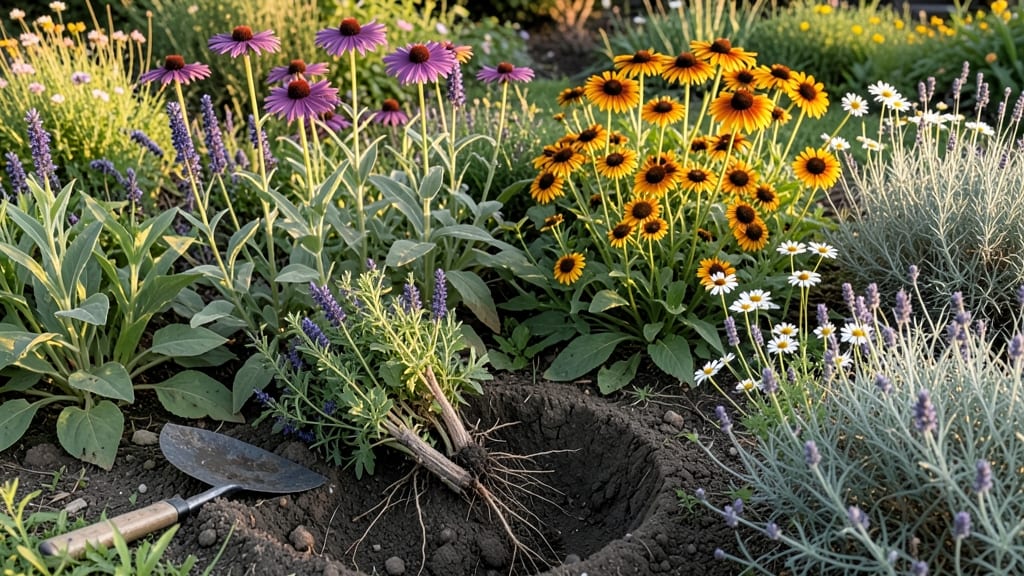
Landscaping a flower garden that stays vibrant all season doesn’t require hours of work—just the right plants and a smart layout. I’ve designed gardens where the colors shift naturally from spring’s soft pinks to fall’s fiery reds, with almost no upkeep.
The secret lies in grouping plants by height, color families, and bloom times so they support each other like a well-choreographed show.
Start with your sunniest spots and work backward to shadier areas, pairing tall plants like coneflowers with mid-height black-eyed Susans and low-spreading ajuga. A simple gravel path weaving through the garden keeps maintenance low while adding structure—no fancy hardscaping required.
My favorite trick? Planting bulbs in fall so they pop up first, then layer in perennials that take over as the season progresses.
By the time summer rolls around, you’ll have a garden that looks intentional, not labored. The colors will blend seamlessly, the heights will create natural layers, and the only work you’ll do is an occasional deadhead or mulch refresh.
Even in winter, the dried seed heads add texture and interest—proof that beauty doesn’t need constant tending.
This approach works for any size space, from a small city yard to a sprawling backyard. The key is starting with the plants that thrive in your light and soil, then arranging them like a painter’s palette. Let’s get your garden looking effortlessly stunning all year long.
📚 In This Guide
- What you need
- Instructions
- Tips and common mistakes
- Wrapping up and next steps
What you need
- ● Soil: 5+ cubic yards of high-quality garden soil or topsoil (amended with compost for better drainage and nutrients).
- ● Mulch: 2–3 bags of organic mulch (e.g., shredded bark, pine straw, or cocoa hulls) to retain moisture and suppress weeds.
- ● Fertilizer: Slow-release granular fertilizer (10-10-10 or similar) or organic options like composted manure.
- ● Plants: Choose low-maintenance, seasonal bloomers like perennials (e.g., coneflowers, black-eyed Susans) and annuals (e.g., marigolds, petunias). Aim for 3–5 plants per square foot, depending on size.
- ● Tools: Shovel or spade (for digging)
- ● Garden trowel (for precision planting)
- ● Pruners or shears (for trimming)
- ● Wheelbarrow (for hauling soil/mulch)
- ● Rake (for leveling soil)
- ● Measuring tape (to plan spacing)
- ● Gloves (to protect your hands)
- ● Watering Supplies: Hose with adjustable nozzle or a watering wand
- ○ Drip irrigation kit (optional but helpful for consistency)
- ● Edging tools or landscape fabric to define garden beds.
- ● Garden stakes or labels for plant identification.
- ● Decorative stones, pebbles, or stepping stones for pathways.
- ● String and stakes to outline your design before digging.
- ● Knee pads or a small stool for comfort during long sessions.
Step-by-Step guide to designing a low-maintenance flower garden
Here's how I create vibrant flower beds that stay beautiful with minimal effort.
Plan Your Garden Layout for Year-Round Interest
Start by sketching your space on paper, noting sun exposure patterns throughout the day. Divide your garden into three layers: tall plants at the back, mid-height flowers in the middle, and low-growing varieties at the front. I always place the tallest plants—like delphiniums or hollyhocks—along fences or property lines to create natural privacy screens. This arrangement prevents smaller flowers from being shaded out as they grow.
For continuous color, group plants by their bloom times. Early spring bloomers like tulips or daffodils should get prime spots near walkways, while summer favorites like coneflowers or black-eyed Susans can fill the middle. Add fall-blooming asters or chrysanthemums to extend the season. This layering ensures you always have something in bloom, even when some plants finish their cycle.
Prepare the Soil for Healthy Plant Growth
Clear the area of grass, weeds, and debris, then loosen the soil to a depth of 12 inches using a garden fork. I mix in 2 inches of compost and 1 inch of coarse sand to improve drainage, especially in clay-heavy soils. This combination creates a loose, well-aerated growing medium that roots love. Work the amendments into the top 6 inches of soil thoroughly.
For containers or raised beds, fill with a blend of 50% potting mix and 50% compost. This lighter mix prevents compaction and encourages strong root development. Test your soil's pH—most flowers prefer a slightly acidic to neutral range between 6.0 and 7.0. If your soil is too alkaline, add sulfur to adjust it gradually over a few months.
Choose and Plant Low-Maintenance Flower Varieties
Select plants known for their hardiness and resilience. Perennials like lavender, Russian sage, and daylilies return year after year with little care, while annuals like marigolds and zinnias self-seed reliably. Space plants according to their mature size—12 to 18 inches apart for most perennials, and 6 to 12 inches apart for annuals. Dig holes twice as wide as the root ball but only as deep as the plant's container.
Handle each plant gently by its leaves or base, avoiding stems to prevent damage. Place the root ball in the hole, then backfill with soil, pressing lightly to remove air pockets. Water deeply right after planting to settle the soil and encourage root contact. Mulch with 2 inches of organic mulch like shredded bark or straw to retain moisture and suppress weeds. Keep mulch 2 inches away from plant stems to prevent rot.
Establish a Watering and Maintenance Routine
Water newly planted flowers once a week for the first month, providing 1 inch of water each time. After that, reduce to every 10-14 days, depending on rainfall. Deep watering encourages roots to grow downward, making plants more drought-tolerant. I water in the early morning to reduce evaporation and fungal diseases. Observe the soil—when the top 2 inches feel dry, it's time to water again.
Fertilize lightly in early spring with a balanced, slow-release fertilizer (10-10-10) to support new growth. Avoid high-nitrogen fertilizers, which promote leafy growth at the expense of flowers. Deadhead spent blooms regularly to encourage more flowers and prevent self-seeding where you don’t want it. Prune back leggy stems in late summer to promote bushier growth for next year.
Protect and Extend the Garden's Seasonal Appeal
Add seasonal interest with bulbs like crocus or alliums for early spring color, and fall-blooming plants like sedum or mums. Install a small water feature or birdbath to attract pollinators and beneficial insects. These additions keep your garden lively and support local ecosystems. Place a few evergreen shrubs or ornamental grasses at the edges to provide structure and year-round texture.
In late fall, cut back dead foliage from perennials but leave seed heads for winter interest. This also gives beneficial insects a place to overwinter. Apply a 3-inch layer of mulch before the first frost to insulate roots and protect them from temperature swings. With this approach, your flower garden will thrive with minimal effort, offering color and joy from spring through fall.
Tips & tricks for perfect flower garden landscaping
Creating a stunning flower garden that thrives with minimal effort takes a few key strategies I've learned from years of trial and error. These tips will help you avoid common pitfalls and maximize your garden's beauty throughout the seasons.
Layering for Visual Impact: When planning your three-layer layout in Step 1, think vertically as well as horizontally. Tall plants like delphiniums should be placed along property lines not just for privacy, but also to create natural vertical interest. I like to add climbing roses or clematis to trellises at the back layer to add both height and fragrance. This vertical dimension draws the eye upward and makes your garden feel more three-dimensional. The key is to space taller plants at least 12 to 18 inches apart so they don't compete for sunlight as they grow.
Soil Preparation Shortcuts: For Step 2, if you're working with heavy clay soil, consider adding 1 part perlite to your compost-sand mix to improve drainage even more. I've found that mixing in 1 cup of coffee grounds per square foot also helps acidify the soil naturally if your pH test shows alkaline tendencies. This is particularly helpful for plants like azaleas and hydrangeas that prefer more acidic conditions. Work these amendments into the top 6 inches of soil just as directed, but don't be afraid to go deeper with a garden fork if your soil is particularly compacted.
Planting Technique That Makes All the Difference: In Step 3, when handling those root balls, I've found that soaking them in a bucket of water for 10-15 minutes before planting helps prevent transplant shock. After planting, I always create a small water well around each plant by pressing my finger into the soil to create a depression. This ensures the water goes right to the roots where it's needed most. For containers, I like to add a handful of slow-release fertilizer granules to the planting hole before adding the root ball—this gives plants a nutrient boost right when they need it most.
Seasonal Maintenance Calendar: To make Step 4 even easier, I've created a simple seasonal checklist. In early spring, mark your calendar for every 10-14 days watering and add a reminder to fertilize in early spring. For summer maintenance, set a timer for every 7-10 days to check for spent blooms that need deadheading. In fall, schedule your mulching day before the first frost—this is when your garden needs that extra protection most. I keep a small notebook by my garden tools to jot down when I last watered or fertilized, which helps me stay on track without overdoing it.
Pro Tips for Landscape A Flower Garden
- Creating a stunning flower garden that thrives with minimal effort takes a few key strategies I've learned from years of trial and error.
- Layering for Visual Impact: When planning your three-layer layout in Step 1, think vertically as well as horizontally.
- Soil Preparation Shortcuts: For Step 2, if you're working with heavy clay soil, consider adding 1 part perlite to your compost-sand mix to improve drainage even more.
Frequently asked questions
Got questions about transforming your yard into a stunning, low-maintenance flower garden? Here are some common queries—and answers—to help you get started with confidence!
When’s the best time to landscape a flower garden?
The ideal time depends on your climate! In most regions, early spring or fall is perfect—soil is workable, and plants establish roots before extreme heat or cold. If you’re in a warm climate, late winter or early summer works too. Just avoid planting during frost or drought!
What’s the easiest way to keep a flower garden low-maintenance?
Focus on native plants and perennials—they thrive with minimal watering and return yearly! Mulch heavily to suppress weeds, and group plants with similar needs together. Drip irrigation automates watering, and drought-resistant varieties (like lavender or black-eyed Susans) cut upkeep. Less fuss, more blooms!
Can I landscape a flower garden in a small or urban space?
Vertical gardens, raised beds, or even container gardens maximize space. Choose compact plants like pansies, geraniums, or dwarf roses. Add mirrors or trellises to create depth, and use hanging baskets for vertical interest. Urban? Try rooftop planters or community garden plots!
Poor drainage?
Amend soil with compost or perlite to improve aeration. Raise beds slightly or add gravel in problem areas.
Weeds?
Lay landscape fabric before mulching, or use pre-emergent herbicides in early spring. Hand-pull regularly to stay ahead!
Pro tip: Healthy plants outcompete weeds—soil and care matter most!
What if I don’t have a green thumb?
Are there foolproof plants?
Yes! Start with hardy perennials like daylilies, coneflowers, or hostas—they’re tough, drought-tolerant, and bloom reliably. Succulents (like sedum) or ornamental grasses need almost no fuss. Even annuals like marigolds or zinnias forgive occasional neglect. Mulch generously to retain moisture and keep roots happy!
Wrapping up and next steps
Creating a stunning, low-maintenance flower garden is all about strategic planning and the right plant choices! By selecting seasonal bloomers, prioritizing native species, and designing with layers and textures, you’ll enjoy year-round color with minimal effort. 🌸
Now that you’re armed with tips and tricks, it’s time to roll up your sleeves and start sketching your dream garden. Begin with a small section or a single bed—progress builds confidence! For extra inspiration, browse local nurseries or online plant communities to refine your vision. Happy gardening! 🌱