
Blooming
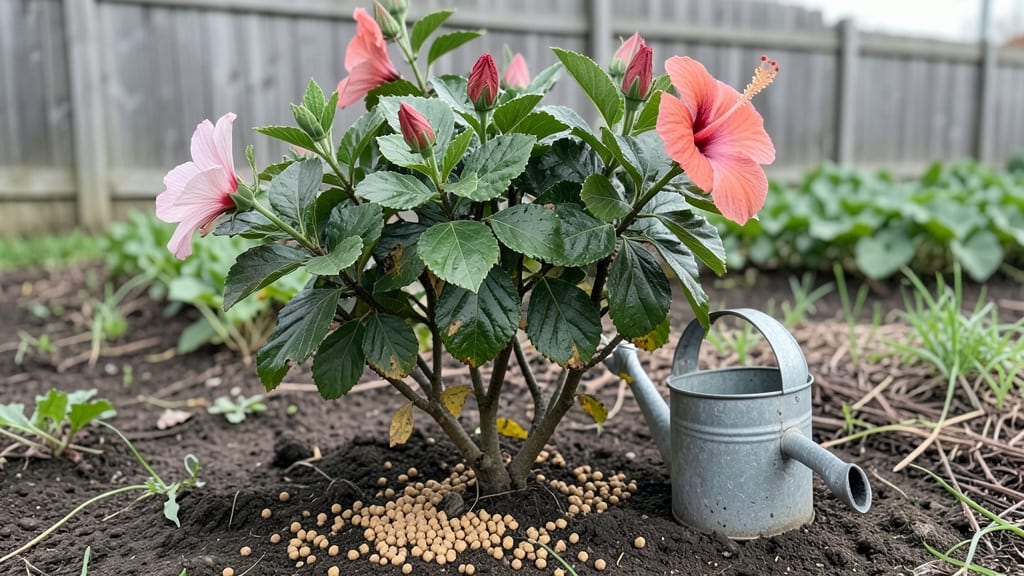
Promoting flowering in hibiscus starts with sunlight—these tropical beauties need 6 to 8 hours of direct sun daily to burst into vibrant blooms. 🌿 I learned this the hard way when my first hibiscus spent summer producing leaves instead of flowers.
The key isn’t just sunlight, though—it’s the right balance of light, water, and a little strategic pruning that triggers those showstopping blooms.
Most gardeners overlook watering consistency, but hibiscus hate soggy roots or drought stress. Aim for 1 to 1.5 inches of water per week, letting the top inch of soil dry between waterings.
A balanced fertilizer with equal parts nitrogen, phosphorus, and potassium—applied every 4 to 6 weeks—gives them the energy to produce flowers instead of just foliage. And yes, even indoor hibiscus can bloom with a grow light for 12 hours daily.
By late winter or early spring, prune back leggy growth to encourage new, bushier branches where flowers form. The result? Clusters of trumpet-shaped blooms that last from summer through fall, with colors ranging from fiery red to creamy white. Your neighbors will ask how you do it—here’s the secret.
Whether you’re growing in pots on a balcony or in the ground, these same principles apply. The only difference is adjusting for your climate: hibiscus in cooler zones may need winter protection, while those in hotter areas benefit from afternoon shade. Let’s get those blooms happening!
📚 In This Guide
- What you need
- Instructions
- Tips and common mistakes
- Wrapping up and next steps
What you need
- ● Hibiscus plant(s) – Choose healthy, mature plants (preferably 1-3 years old) with at least 3-5 leaves per stem.
- ● Balanced fertilizer (10-10-10 or 20-20-20) – 1-2 tablespoons per gallon of water (or follow label instructions).
- ● Phosphorus-rich fertilizer (e.g., 5-10-10 or bloom booster) – 1 tablespoon per gallon of water (use every 4-6 weeks during blooming season).
- ● Slow-release organic fertilizer (e.g., compost or worm castings) – 1 cup per plant (mixed into soil every 2-3 months).
- ● Pruning shears or sharp scissors – Sterilized with rubbing alcohol to prevent disease.
- ● Watering can or hose with a gentle spray nozzle – Hibiscus prefers deep watering (1-2 gallons per plant, 2-3 times per week).
- ○ pH test kit (optional but helpful) – Hibiscus thrives in soil pH 6.0-7.0.
- ● Mulch (e.g., pine bark or straw) – 2-3 inches thick to retain moisture and regulate temperature.
- ● Growth regulator (e.g., daminozide or ethephon) – Follow label instructions to promote compact growth and flowering.
- ● Reflective mulch or white plastic sheeting – Placed near plants to increase light exposure in shaded areas.
- ● Humidity tray or pebble tray – Keeps air moist, especially in dry climates.
- ● Sunlight meter or light sensor app – Ensures your hibiscus gets 6+ hours of direct sunlight daily.
- ● Epsom salt (magnesium sulfate) – 1 tablespoon per gallon of water (monthly) for green, healthy foliage.
Step-by-Step guide to encouraging hibiscus blooms through light management
Here's how I coax hibiscus into full, vibrant flowering—no mystery, just precise light control.
🌿 Step 1: Position for Full Sun Exposure
Hibiscus demands 6-8 hours of direct sunlight daily—no compromise. I place mine in south-facing locations where they receive unfiltered morning light through early afternoon. If your climate has intense afternoon sun, provide partial afternoon shade to prevent leaf scorch, but keep morning sun exposure absolute.
The key is watching the plant's response: leaves should be deep green, not pale or yellowing. If you notice new growth stretching upward (a sign of insufficient light), move the plant closer to the light source or supplement with a grow light during shorter winter days. Leggy growth means your hibiscus is starving for photons.
☀️ Step 2: Adjust Light Gradually for Seasonal Changes
When transitioning hibiscus between indoor and outdoor spaces, do it slowly over 7-10 days. If moving from indoors to a sunny patio, start with 1-2 hours of morning sun and increase by 1 hour daily. Sudden exposure causes sunburn—you'll see crispy leaf edges within 24 hours of shock.
In winter, hibiscus often needs supplemental light. I use a full-spectrum LED grow light positioned 12-18 inches above the plant for 14 hours daily. Watch for bud formation—this is your signal the light adjustments are working. If buds form but drop immediately, the air is too dry or temperatures fluctuate too much.
💧 Step 3: Balance Watering for Optimal Flower Production
Overwatering stresses hibiscus and prevents flowering. I water only when the top 2 inches of soil feel dry—stick your finger in to check. Hibiscus roots need good drainage, so ensure pots have multiple drainage holes and use well-draining potting mix. Soggy soil leads to root rot, which halts all growth, including flowers.
For established plants, I apply 1 gallon of water every 2-3 days during peak summer, adjusting for rainfall. The goal is consistent moisture without saturation. You'll know you're on track when new leaves emerge with a slight gloss and stems feel firm but not brittle.
✂️ Step 4: Prune Strategically to Encourage Blooms
Prune hibiscus after flowering to redirect energy into next season's buds. I cut back 1/3 of the plant's height using clean, sharp pruners at a 45-degree angle just above a leaf node. This encourages bushier growth and more flowering sites.
Remove dead or yellowing leaves immediately—they drain energy. If your hibiscus grows leggy, prune back long, bare stems to encourage branching. You'll see new shoots within 2-3 weeks—these are your future bloom producers. Avoid heavy pruning in late summer, as new growth won't have time to harden off before winter.
🌱 Step 5: Fertilize for Blooming Success
Use a balanced, water-soluble fertilizer (like 10-10-10) every 2 weeks during growing season. Hibiscus are heavy feeders, but too much nitrogen produces lush leaves at the expense of flowers. Switch to a low-nitrogen, high-phosphorus formula (like 5-10-5) when buds form to boost flowering.
Apply fertilizer only to moist soil to prevent root burn. You'll notice healthier foliage and more abundant buds within 4-6 weeks of consistent feeding. If leaves yellow between veins, you're over-fertilizing—flush the soil with water immediately and reduce applications by half.
Tips & tricks for perfect hibiscus blooming
Mastering hibiscus flowering is all about precision—here's how to avoid common pitfalls and get those vibrant blooms every time.
The Light Factor: In Step 1, when positioning your hibiscus for those crucial 6-8 hours of direct sunlight, pay attention to the quality of light, not just quantity. Morning sun (before 10 AM) is most valuable because it's less intense and won't scorch leaves. If your hibiscus starts developing pale yellow leaves, it's getting too much midday sun—move it slightly eastward or provide afternoon shade. Remember, hibiscus can handle heat better than they can handle too much direct midday sun.
Seasonal Transition Strategy: The 7-10 day adjustment period in Step 2 is non-negotiable. I've seen hibiscus owners rush this process and end up with sunburnt leaves that take weeks to recover. Start with just 1-2 hours of morning sun and gradually increase—your plant will thank you with stronger growth and more buds. Pro tip: Place a white piece of cardboard behind the plant when moving it outside to prevent windburn on the undersides of leaves.
Watering Wisdom: When checking soil moisture in Step 3, don't just rely on visual cues—stick your finger 2 inches deep. The soil should feel dry at that depth before watering. I've found that hibiscus actually prefer slightly drier conditions than many tropical plants, which is why consistent moisture (not saturation) is key. If your plant's leaves start curling at the edges, you're either overwatering or the humidity is too low—both stress factors that inhibit flowering.
Pruning Precision: That 1/3 height reduction in Step 4 might seem drastic, but it's the secret to bushier growth. Always prune just above a leaf node at a 45-degree angle—this encourages new shoots to grow from that point. I sterilize my pruners with rubbing alcohol between cuts to prevent spreading any potential diseases. And here's a little-known trick: The new shoots that appear after pruning will produce flowers within 8-10 weeks if given proper light and care.
Pro Tips for Promote Flowering In Hibiscus
- Mastering hibiscus flowering is all about precision—here's how to avoid common pitfalls and get those vibrant blooms every time.
- The Light Factor: In Step 1, when positioning your hibiscus for those crucial 6-8 hours of direct sunlight, pay attention to the quality of light, not just quantity.
- Seasonal Transition Strategy: The 7-10 day adjustment period in Step 2 is non-negotiable.
Frequently asked questions
Got questions about coaxing those stunning hibiscus blooms? Here’s what gardeners often wonder—and how to tackle them with confidence!
Why isn’t my hibiscus flowering despite plenty of sunlight?
Even with sunlight, hibiscus may skip blooming due to nutrient imbalances (like too much nitrogen) or stress from transplant shock. Check your soil’s pH (aim for 6.0–7.0) and fertilize with a low-nitrogen, high-phosphorus blend (like 5-10-10) every 4–6 weeks. Prune leggy growth to encourage new buds too!
How do I know if my hibiscus needs more light?
Signs of light deprivation include stretched, pale stems and smaller leaves. Hibiscus thrives in 6–8 hours of direct sunlight daily—if your plant leans toward windows or has yellowing leaves, move it to a sunnier spot (or use a grow light for indoor plants). East- or south-facing windows are ideal!
Can I force hibiscus to bloom faster with tricks?
While you can’t rush nature, you can optimize conditions for quicker blooms:
- Prune in early spring to shape the plant and stimulate growth.
- Use Epsom salt (1 tbsp per gallon of water monthly) to boost magnesium for flower production.
- Water consistently—dry soil stresses roots, delaying blooms.
What if my hibiscus blooms but the flowers fall off quickly?
This usually means environmental stress or poor pollination. Check for:
- Drafts (keep plants away from AC vents or cold windows).
- Overwatering (root rot kills buds—let soil dry slightly between waterings).
- Lack of pollinators (gently shake branches or use a soft brush to help).
Are there hibiscus varieties that bloom more reliably?
If you’re tired of waiting, try these high-blooming cultivars:
Variety
Bloom Season
Key Trait
Hibiscus moscheutos (Hardy Hibiscus)
Summer–Fall
Cold-hardy, long-lasting blooms (up to 3 days).
Hibiscus rosa-sinensis (Chinese Hibiscus)
Year-round (in warm climates)
Vibrant colors, repeating blooms with proper care.
Hibiscus syriacus (Rose of Sharon)
Late summer–Fall
Drought-tolerant, fragrant flowers.
Wrapping up and next steps
Promoting vibrant blooms in your hibiscus starts with understanding its love for sunlight, nutrients, and care. By ensuring it gets 6-8 hours of direct sun daily, pruning strategically, and feeding it the right fertilizers, you’ll unlock a stunning floral display. Don’t forget—patience and consistency are key! 🌸
Ready to see your hibiscus thrive? Start with one small adjustment today—whether it’s moving it to a sunnier spot or adding a balanced fertilizer. Watch those buds bloom like magic! 🌞