
Blooming
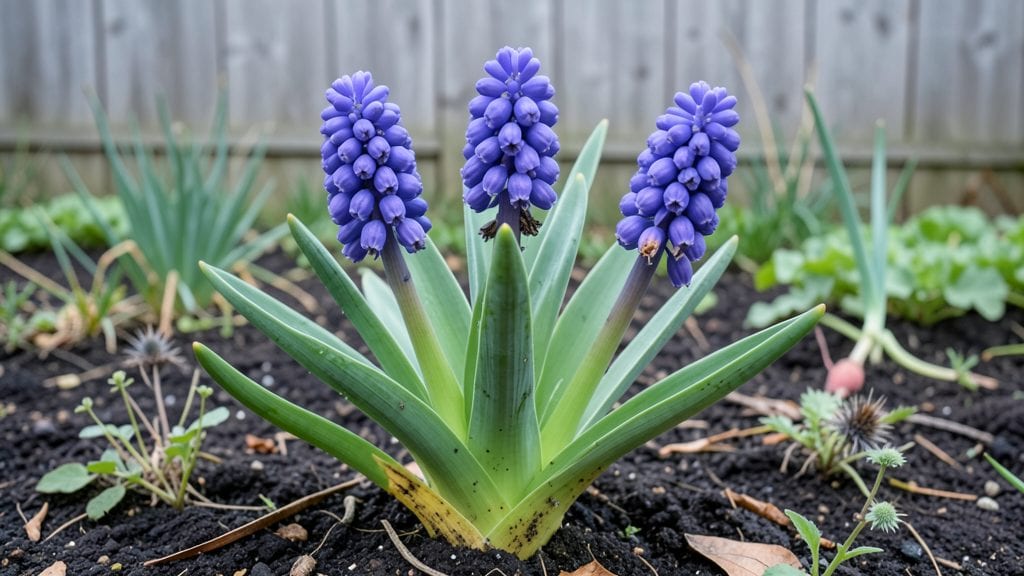
Hyacinth flowering time typically occurs between late winter and early spring, with blooms appearing in February through April depending on the variety and climate zone. Cooler temperatures trigger dormancy, while consistent daylight exposure accelerates bud formation.
Hyacinths are true winter bloomers, thriving when temperatures dip but aren’t frozen solid—think of them as nature’s way of celebrating the first real signs of spring. 🌸 The secret to their timing lies in a two-step process: bulbs need a solid 6-8 weeks of chilling below 50°F to break dormancy, then they burst into color when days grow longer.
That’s why gardeners in warmer zones often force bulbs indoors with artificial light or plant them earlier in fall to sync with local weather patterns.
What’s fascinating is how variety plays a role—some like 'Woodstock' bloom as early as February, while others like 'Jan Bos' stretch into April. This means you can create a cascading display by planting different types in succession, ensuring your garden stays vibrant for weeks.
Just remember: patience is key—rushing the process by skipping the chilling phase will leave you with buds that never open!
💡 In This Article
- Climate and Light Conditions Affecting Hyacinth Bloom Timing
- Best Hyacinth Varieties for Extended or Early Flowering Seasons
Climate and light conditions affecting hyacinth bloom timing
Hyacinths follow a precise biological clock that responds to temperature shifts and daylight changes. The bulbs first require a 6-8 week chilling period at temperatures between 30-40°F—this mimics winter conditions and triggers the internal hormonal signals that kickstart flower development.
Without this cold exposure, the plant stays dormant, and buds won't form. Once temperatures rise to 50-60°F, growth accelerates as the bulbs break dormancy and begin producing leaves, which are essential for fueling the energy-intensive flowering process. 🌡️
The role of light is equally critical, especially for indoor forcing. Hyacinths need 12+ hours of daylight daily to stimulate bud formation, which is why gardeners in northern climates often see earlier blooms than those in the south.
Artificial grow lights can replicate this effect indoors, allowing bulbs planted in October-November to flower by Christmas. In outdoor settings, varieties in USDA zones 3-8 naturally align with local daylight patterns, with northern regions experiencing blooms as early as February while southern zones may see them stretch into April.
Regional variations create fascinating differences in bloom timing. For example, 'L'Innocence' typically flowers in March in zone 5 but may bloom as late as April in zone 9 due to milder winters. This delay occurs because warmer climates don't provide the same intensity of winter chilling.
Gardeners in these areas can compensate by planting bulbs in September instead of October, giving them an extra month of cold exposure. The key is matching the bulb's natural rhythm with your local climate patterns. 🌍
Indoor forcing techniques rely on manipulating these same conditions. Professionals use cooling chambers set to 40°F for 8-10 weeks before transferring bulbs to 65°F rooms with grow lights. This controlled environment lets florists create blooms on demand, often achieving 6-8 week cycles from planting to sale.
The trade-off? Forced bulbs may not rebloom as reliably as outdoor-planted ones, since their energy reserves are fully expended on the first flower spike.
What most gardeners overlook is how soil temperature affects root development. Even if air temperatures are ideal, bulbs planted in cold, dense soil may struggle to establish roots quickly enough to support flowering. Amending planting areas with compost improves heat conductivity, helping roots warm up faster in spring.
This small adjustment can mean the difference between February blooms and March ones. The science shows that root zone temperatures of 55-60°F are optimal for hyacinths to transition from vegetative growth to flowering. ✨
For those living in microclimates—like urban areas surrounded by concrete—heat retention can actually delay blooms. Asphalt and buildings create "heat islands" that raise soil temperatures prematurely, preventing the necessary cold dormancy period. Planting hyacinths in shaded, well-draining beds with organic matter helps moderate these temperature extremes.
The result? More predictable bloom times that match the variety's natural calendar rather than the neighborhood's heat signature. 🌿