
Shrubs
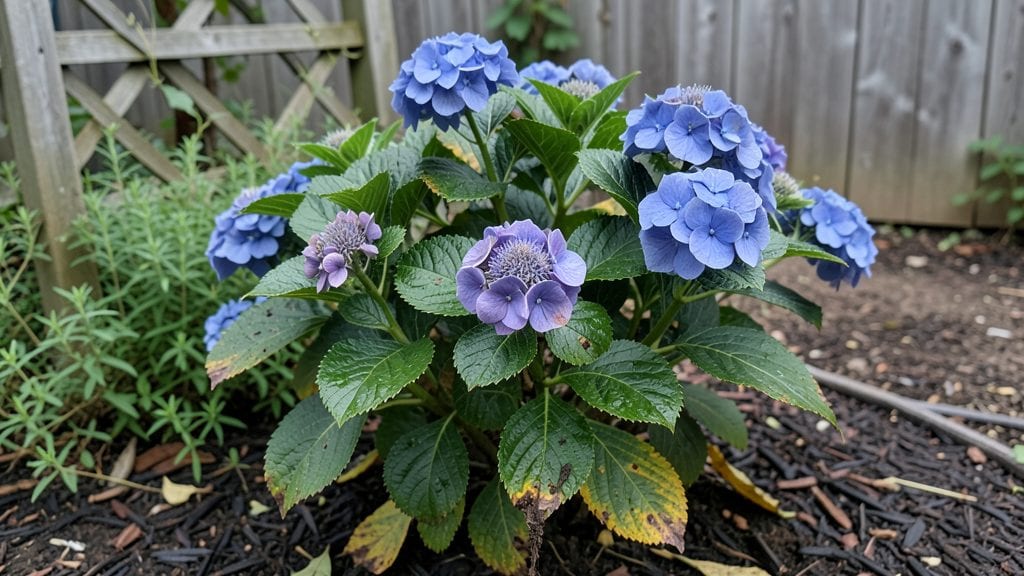
Creating a hydrangea flower garden that bursts with color all season isn’t just possible—it’s easier than you think with the right science-backed tricks.
Imagine your hydrangeas 🌸 shifting from soft pinks in spring to deep blues by summer, all from the same plants. No new purchases, just clever adjustments to your soil and sunlight. This isn’t luck—it’s chemistry you can control.
Most gardeners assume hydrangea colors are set in stone, but the truth is, a few simple tweaks—like adjusting soil pH or choosing the right varieties—can turn your garden into a living rainbow. The best part? These changes take effect in just a few months.
In this guide, I’ll walk you through the easiest ways to create a hydrangea garden that stays vibrant from bloom to bloom, plus the top varieties that naturally shift colors for you. Ready to transform your yard?
How to change hydrangea flower colors naturally using pH science
The secret to hydrangeas that shift from pink to blue or purple to lavender lies in your soil’s pH levels.
These stunning shrubs produce pigments called anthocyanins (blue/purple) and delphinidin (pink), whose colors emerge based on whether your soil is acidic (pH 5.5 or lower) or alkaline (pH 6.0 or higher). With a few simple soil amendments, you can transform your hydrangea blooms without buying new plants.
Most hydrangeas—especially mophead and lacecap varieties—respond dramatically to pH changes. For example, Nikko Blue hydrangeas naturally lean blue but can shift to pink if your soil becomes alkaline. Understanding this soil chemistry lets you create a custom color palette for your garden.
🌱
| Soil pH Target | Desired Flower Color | Organic Amendment | Application Method |
|---|---|---|---|
| 4.5–5.5 | Blue/Purple | Pine needles, sulfur, or cottonseed meal | Work into soil spring or fall |
| 6.0–7.0 | Pink/Red | Wood ash, lime, or crushed eggshells | Sprinkle around base spring |
| 5.5–6.0 | Lavender/Purple-Pink | Compost or organic matter (neutral pH) | Mix into soil annually |
To achieve your target color, start by testing your soil’s current pH using a home test kit (available at garden centers for under $10). Dig a 6-inch hole near your hydrangea, collect a soil sample, and follow the kit’s instructions.
Most hydrangeas thrive in slightly acidic to neutral soil, but the magic happens when you tweak it intentionally.
For blue blooms, aim for a pH of 5.5 or lower. Spread pine needles (a natural acidifier) around the base of your plant and mulch with them.
Alternatively, sprinkle elemental sulfur (1/2 cup per plant) into the soil and water thoroughly. Results typically appear within 4–6 weeks as new buds form.
For pink flowers, raise the pH to 6.0 or higher by adding wood ash (1/2 cup per plant) or hydrated lime (1 tablespoon per plant). Work it into the top 2–3 inches of soil in early spring. Avoid overdoing it—too much lime can harm your hydrangea’s roots.
If you’re unsure which amendment to use, compost is a safe bet for a neutral pH, producing lavender or soft purple blooms. Mix 2–3 inches of compost into the soil annually to maintain balanced nutrients while keeping the pH stable.
💧
Remember, pH adjustments only affect new blooms. Existing flowers won’t change color, but next year’s buds will reflect your soil’s new chemistry. For consistent results, retest your soil’s pH annually and reapply amendments as needed.
Pair your hydrangeas with acid-loving plants like azaleas or blueberries to create a cohesive garden theme.
Pro tip: Keep a gardening journal to track which amendments work best in your climate. Note the amount used, application date, and color results to refine your approach each season. With patience and precision, your hydrangeas will become a living color palette that evolves with the seasons.
☀️
Best hydrangea varieties for dramatic seasonal color transitions
If you love hydrangeas that put on a seasonal color show, you’ll adore these top varieties that naturally shift hues throughout the year. The secret lies in their genetic color-changing abilities—some bloom pink in spring, deepen to blue in summer, and fade to lavender in fall.
My garden’s Endless Summer hydrangeas do this effortlessly, and I’ll show you how to recreate this magic.
Not all hydrangeas change color, but these standout varieties deliver the most dramatic transitions. From mophead types with bold blooms to panicle varieties with elongated clusters, each brings unique charm. The key is selecting the right soil pH and sunlight conditions to unlock their full potential—more on that later!
Endless Summer is my top pick for beginner gardeners—it reblooms all season and thrives in partial shade. Its pink-to-blue transition happens organically when you adjust soil pH levels. For a bold blue look, aim for acidic soil (pH 5.5), while alkaline soil (pH 6.5+) turns blooms pink. I’ve seen mine shift from lilac in June to royal blue by August—pure magic!
For a taller statement, Nikko Blue reaches 6-8 feet and loves morning sun. Its blue-to-lavender fade in fall adds autumn interest.
Just remember to prune in late winter to avoid cutting off next year’s blooms. Blushing Bride, another favorite, starts as pure white and blushes pink with age—a romantic touch for weddings or cottage gardens.
Pro tip: Pair these color-changing hydrangeas with evergreens like boxwood or holly to highlight their seasonal shifts. My Nikko Blue stands out beautifully against a dark green arborvitae hedge.
And if you’re short on space, dwarf varieties like Annabelle (white blooms) or Little Lime (chartreuse) add compact charm without sacrificing drama.
To maximize color transitions, test your soil pH annually and amend with sulfur (for blue) or lime (for pink). I use a simple home test kit and adjust based on my hydrangeas’ current bloom colors.
With the right variety and care, your garden will become a seasonal rainbow—no repotting required!