
Flowers
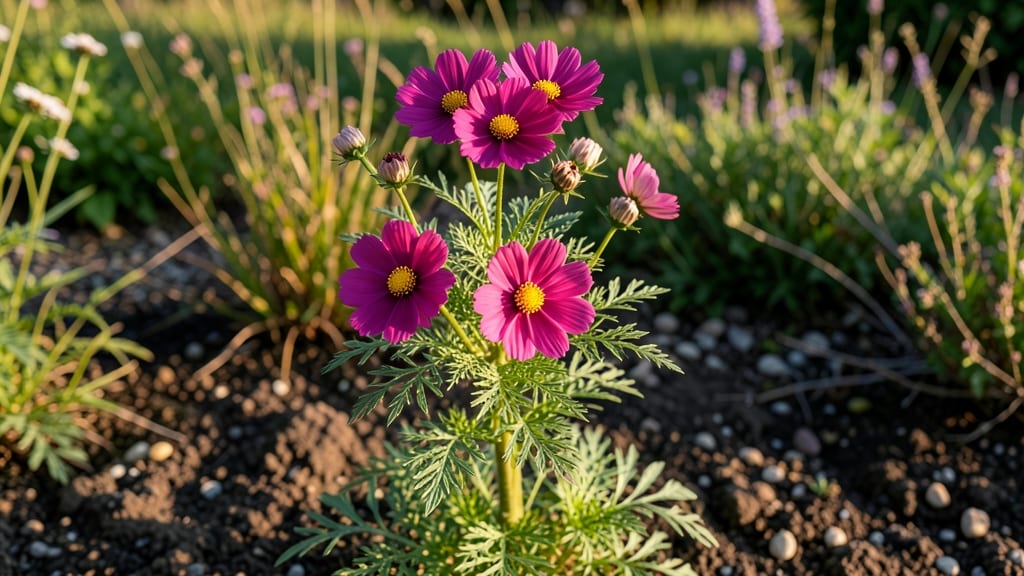
The cosmos flower height you choose can transform your garden from a scattered border to a dramatic focal point—some varieties barely clear your knees, while others reach for the sky.
If you’ve ever wondered why some cosmos flowers tower over your garden while others stay compact, the answer lies in their variety—and proper spacing can make all the difference in achieving those show-stopping blooms.
From dwarf cosmos that add delicate color to containers to tall cosmos that rival sunflowers, understanding height ranges helps you plan layouts that avoid overcrowding or wasted space. The right spacing also boosts blooms, ensuring your 🌸 cosmos put on their best show all season.
Below, I’ll break down the height differences between popular varieties, how sunlight and soil affect growth, and the best spacing tricks to maximize blooms—whether you’re working with a small balcony or a sprawling backyard.

Cosmos flower height guide: dwarf vs giant varieties explained
Cosmos flowers are one of the easiest annuals to grow, offering stunning blooms in shades of pink, white, and purple. But did you know their heights can vary dramatically? From 6-inch dwarf varieties to towering 6-foot giants, choosing the right cosmos for your garden can transform your space.
The key to their stature lies in genetics, sunlight exposure, and even soil composition—factors I’ll break down for you today.
Whether you’re designing a front-yard border or a backyard pollinator garden, understanding cosmos height ranges helps you plan spacing, support structures, and companion plants. For example, 'Sensation Mix' stays compact at just 12–18 inches, while 'Seashells' can reach 5–6 feet.
Let’s explore how to pick the perfect variety for your garden’s needs.
| Variety | Height Range | Bloom Color | Sun Needs | Spacing |
|---|---|---|---|---|
| 'Sensation Mix' | 12–18 inches | Pink, white, red | Full sun | 12–18 inches apart |
| 'Bright Lights' | 24–36 inches | Deep pink, magenta | Full sun | 18–24 inches apart |
| 'Seashells' | 48–72 inches | White, blush | Full sun | 24–36 inches apart |
| 'Sonata Double' | 36–48 inches | Pink, white | Full sun to part shade | 18–24 inches apart |
Sunlight is the biggest factor in determining cosmos height. While all varieties thrive in full sun (6+ hours daily), those in partial shade may grow 10–20% shorter. For example, 'Sonata Double' can handle part shade better than 'Seashells', which needs full sun to reach its full height.
If your garden has limited sunlight, opt for dwarf varieties like 'Sensation Mix'—they’ll still bloom beautifully with just 4–6 hours of sun.
Soil type also plays a role. Cosmos prefer well-draining, slightly sandy soil, but heavy clay can stunt growth. Amending your soil with compost or perlite ensures taller varieties like 'Bright Lights' reach their potential.
I’ve found that adding a 2-inch layer of compost before planting can boost height by up to 15% in poor soil conditions.
Pruning can also influence height. Pinching back taller cosmos by 1/3 when they’re 12 inches tall encourages bushier growth and prevents flopping. This technique works especially well for 'Seashells', which can become top-heavy without support.
For dwarf varieties, minimal pruning is needed—their compact size makes them ideal for container gardens or front borders.
If you’re growing cosmos in containers, choose dwarf or semi-dwarf varieties to avoid root-bound stress. A 5-gallon pot works well for 'Sensation Mix', while 'Bright Lights' needs at least a 10-gallon container to support its height.
Always use pots with drainage holes to prevent root rot, which can stunt growth.
For a pollinator-friendly garden, taller cosmos like 'Seashells' attract bees and butterflies to the upper levels, while dwarf varieties provide ground cover for beneficial insects. Pairing cosmos with marigolds or zinnias creates a stunning height contrast—marigolds stay low, while cosmos reach upward, framing your garden beautifully.
One common mistake is overcrowding cosmos, which leads to leggy stems and fewer blooms. Always follow spacing guidelines: 12–18 inches for dwarfs, 18–24 inches for medium heights, and 24–36 inches for giants. Proper spacing ensures airflow, reducing the risk of powdery mildew and encouraging robust growth.
To maximize height in tall cosmos, provide support with bamboo stakes or tomato cages. I’ve had great success using 3-foot stakes for 'Bright Lights', tying stems gently with soft plant ties. This not only prevents flopping but also makes harvesting blooms easier for cut flower arrangements.
In summary, cosmos height is all about variety selection, sunlight exposure, and proper care. Whether you’re aiming for a whimsical cottage garden with dwarf cosmos or a dramatic backdrop with towering varieties, there’s a cosmos perfect for your vision.
Start with the right variety, give it the sun it craves,
Optimal spacing for cosmos flowers by height: maximizing blooms without crowding
Proper cosmos flower spacing transforms your garden from a chaotic mess to a structured, blooming masterpiece. Since cosmos varieties range from dwarf (12 inches) to giant (6 feet), spacing directly impacts air circulation, sunlight access, and bloom production. Crowding leads to leggy stems and fewer flowers, while over-spreading wastes space.
Let’s break down the ideal distances for each height category to ensure your cosmos thrive.
For dwarf cosmos (like 'Sensation Mix'), plant them 12–18 inches apart in rows spaced 18 inches apart.
These compact varieties (1–2 feet tall) create lush borders or container displays. Medium cosmos (2–3 feet tall, e.g., 'Bright Lights') need 18–24 inches apart to prevent shading lower leaves. Giant cosmos (4–6 feet tall, like 'Seashells') require 24–36 inches apart to support their towering stems without flopping.
| Variety | Height Range | Spacing (Inches) | Best Use |
|---|---|---|---|
| Dwarf Cosmos | 12–18 inches | 12–18 inches apart | Containers, borders |
| Medium Cosmos | 24–36 inches | 18–24 inches apart | Mid-height beds |
| Giant Cosmos | 36–72 inches | 24–36 inches apart | Back of borders, cut flowers |
Container gardening? Adjust spacing by 25–30% less than ground planting. For example, dwarf cosmos in 5-gallon pots can be spaced 10–12 inches apart, while giant cosmos need 18-inch pots spaced 20 inches apart.
Use lightweight, well-draining soil to prevent root-bound stress. Vertical support (like bamboo stakes or trellises) helps taller varieties avoid flopping and maximizes space.
Avoid these common spacing mistakes: planting cosmos too close to competitive plants (like sunflowers) or in shady spots, which stunts growth. Overcrowding also increases pest risks (like aphids) and disease spread from poor air circulation. Solution: Thin seedlings early to maintain recommended distances.
Train taller cosmos for vertical growth by tying stems to 3-foot stakes or using flower rings (wire hoops). This not only saves space but also creates a dramatic focal point in your garden. Prune leggy stems in early summer to encourage bushier growth and more blooms.
With the right spacing, your cosmos will reward you with abundant, long-lasting flowers all season.
Remember, cosmos are drought-tolerant once established, so focus on proper spacing and sunlight (6+ hours daily) rather than overwatering. Mulch around plants to retain moisture and suppress weeds, giving your cosmos the perfect environment to thrive without crowding. Happy gardening! 🌸