
Shrubs
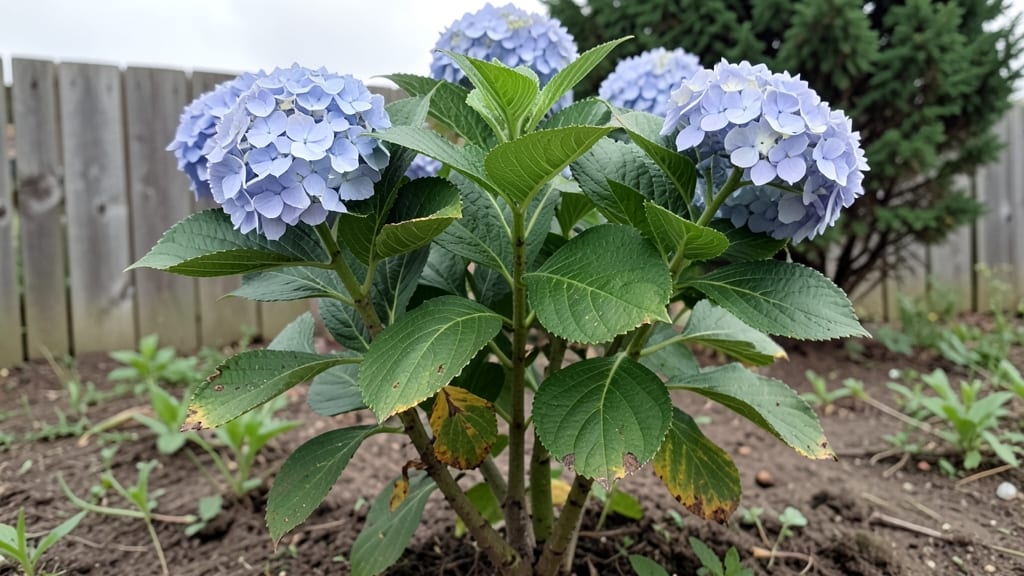
If you’re trying to identify a white flowering bush 🌸 in your yard, you’re not alone—many gardeners stare at the same mystery blooms wondering if it’s a hydrangea, gardenia, or something else entirely.
Picture this: You spot a stunning white-blossomed bush in your yard or while hiking, and suddenly you’re wondering if it’s a prized garden addition or an invasive species hiding in plain sight. This guide cuts through the confusion with expert-backed tips to pinpoint your mystery bush in minutes.
White flowering bushes come in all shapes and sizes, from fragrant lilacs to towering wisteria. The key to identifying them lies in their leaves, flowers, and even bark texture—details most gardeners overlook until they’re too late.
Here, I’ll walk you through the quickest way to tell them apart, including common lookalikes and when to call in a pro. Ready to solve the mystery?
12 Most common white flowering bushes & how to spot their unique traits
White flowering bushes add timeless elegance to any landscape, but identifying them can feel like solving a puzzle. Some, like the fragrant lilac, are garden staples, while others like oleander are toxic imposters.
I’ll break down the 12 most common varieties by their leaf shape, bloom timing, and growth habits—plus how to avoid dangerous lookalikes.
Start by examining the flower clusters. Are they dense panicles (like hydrangeas) or loose racemes (like mock orange)? Next, check the leaf arrangement—opposite leaves suggest abelia, while alternate leaves point to jasmine. I’ve included a quick-reference table below to narrow down your mystery bush in seconds.
Pro Tip: Take photos of the leaves, flowers, and bark from multiple angles. Apps like PlantNet or iNaturalist can cross-reference these traits with my guide for a foolproof ID.
🌸
| Plant | Leaf Shape | Bloom Time | Fragrance | Height |
|---|---|---|---|---|
| Lilac (Syringa) | Opposite, heart-shaped | Late spring | Sweet, strong | 6–12 ft |
| Mock Orange (Philadelphus) | Opposite, oval | Early summer | Citrusy, intense | 4–8 ft |
| Abelia (Abelia x grandiflora) | Opposite, lance-shaped | Summer to fall | Light, floral | 3–6 ft |
| Hydrangea (Hydrangea macrophylla) | Opposite, oval/rounded | Mid to late summer | None | 3–6 ft |
| Jasmine (Jasminum) | Alternate, lance-shaped | Spring to fall | Sweet, night-blooming | 6–15 ft (climbing) |
| Gardenia (Gardenia jasminoides) | Opposite, glossy, oval | Summer | Strong, creamy | 2–4 ft |
| Weigela (Weigela florida) | Opposite, oval | Spring | Light, pleasant | 5–8 ft |
| Oleander (Nerium oleander) ⚠️ TOXIC | Alternate, narrow | Summer to fall | Mild, unpleasant | 6–10 ft |
| Spirea (Spiraea) | Alternate, serrated | Spring to early summer | None | 2–5 ft |
| Pieris (Pieris japonica) | Alternate, elliptical | Early spring | None | 6–10 ft |
| Deutzia (Deutzia) | Opposite, serrated | Late spring | Light, sweet | 3–6 ft |
| Viburnum (Viburnum) | Opposite, oval | Spring | Variable (some fragrant) | 3–12 ft |
Let’s start with the lilac, a classic with sweetly scented panicles that bloom in late spring. Its heart-shaped leaves grow in opposite pairs, and mature bushes reach 10 feet tall.
If your bush has long, tubular flowers with a citrusy fragrance, it’s likely mock orange, which thrives in partial shade.
For summer-blooming bushes, abelia and hydrangea are top contenders. Abelias have semi-evergreen leaves and lightly fragrant flowers, while hydrangeas produce large, globe
3 Key identification steps: leaf, flower, and bark clues that never fail
Identifying a white flowering bush doesn’t require a botany degree—just a keen eye for three key features: leaf arrangement, flower cluster types, and bark texture. These clues narrow down your options from hundreds of possibilities to just a few likely suspects.
Start with the leaves: their shape, edges, and how they attach to the stem can reveal whether your bush is a hydrangea, mock orange, or something else entirely.
Next, examine the flower clusters. Are they panicles (loose, branching flower stalks) or racemes (flowers on a single stem)? This distinction alone can separate fragrant lilacs from delicate weigela. Finally, check the bark texture: smooth, scaly, or deeply furrowed?
Each pattern tells a story about the plant’s maturity and species. Let’s break down these three steps with visual cues you can use right now.
⚠️ PROS-CONS BOX: Quick ID Guide for White Flowering Bushes
✅ Pros:
- Opposite leaves (e.g., mock orange, abelia)
- Toothed edges (e.g., hydrangea)
- Simple vs. compound (e.g., lilac has simple leaves)
✅ Pros:
- Panicles (e.g., lilac, weigela)
- Racemes (e.g., mock orange)
- Single blooms (e.g., gardenia)
✅ Pros:
- Smooth bark (young hydrangea)
- Furrowed bark (mature lilac)
- Peeling bark (e.g., dogwood)
❌ Cons:
- Pinnate leaves (could be invasive wisteria)
- Spiny edges (e.g., oleander—toxic)
❌ Cons:
- Umbrella clusters (e.g., poison ivy—avoid)
- No scent (could be non-native invasive)
❌ Cons:
- Thorny branches (e.g., hawthorn)
- Gummy sap (e.g., oleander)
Let’s start with leaf arrangement.
Hold a branch between your thumb and forefinger to check if leaves grow alternately (one per node) or oppositely (paired at each node). Opposite leaves are a dead giveaway for mock orange or abelia, while alternate leaves might point to lilac or weigela.
Pay attention to leaf edges too: serrated (like a saw) suggests hydrangea, while smooth edges are common in gardenia.
Now, shift your focus to the flower clusters. If the blooms form panicles—loose, branching clusters—you’re likely looking at a lilac or weigela. Racemes, where flowers grow on a single stem, are classic for mock orange.
Single, solitary blooms with thick petals? That’s probably a gardenia. Don’t overlook fragrance: sweetly scented flowers often belong to mock orange or lilac, while unscented ones might be hydrangea or abelia.
Finally, inspect the bark texture. Young bushes often have smooth bark, but as they mature, look for furrows (common in lilac) or peeling layers (like dogwood). Thorny branches or gummy sap are red flags—these traits can indicate toxic plants like oleander or invasive species.
If the bark feels rough and deeply cracked, it might be a hawthorn or spirea.
Combine these three clues, and you’ll narrow down your mystery bush in minutes. Still unsure? Snap a photo and compare it to your notes—most plant identification apps (like PlantNet or Google Lens) can confirm your findings. Happy identifying!