
Shrubs
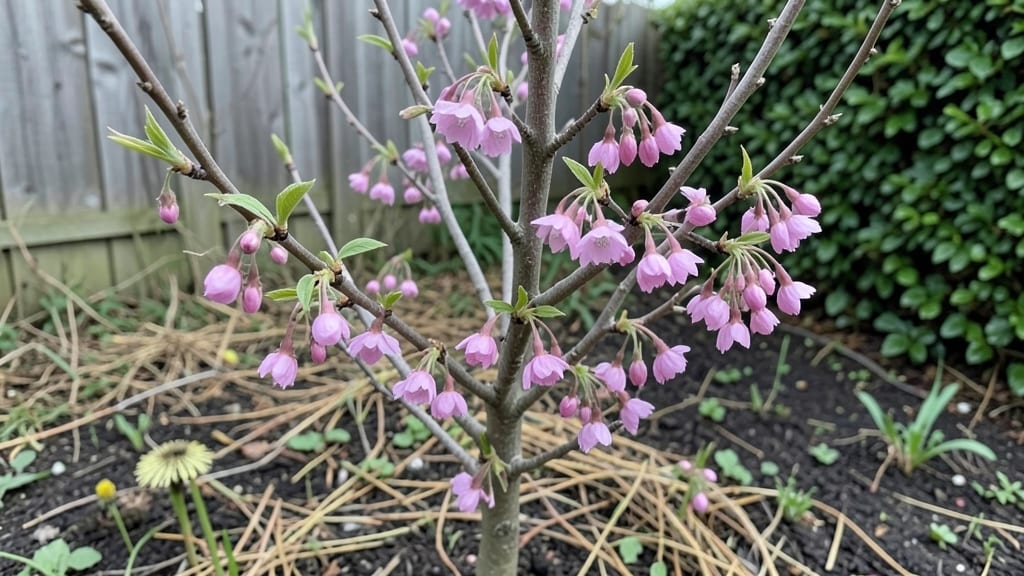
Growing a pink flowering almond bush 🌸 means waking up to a garden bursting with color—but only if you master the pruning secrets behind its legendary blooms.
Picture this: You’ve waited all winter for those first blush-pink flowers to appear, only to realize your bush is putting out leaves instead of blooms. That’s the telltale sign you’ve pruned wrong, and the good news is, it’s fixable.
This shrub thrives in USDA Zone 6a and beyond, but its spring flowering (April–May) depends entirely on when and how you cut. Skip the guesswork and learn the exact timing, tools, and techniques to turn your almond bush into a year-round showstopper.
From the first prune in late winter to summer shaping, I’ll walk you through every step—plus how to revive a bush that’s already gone rogue. Ready to unlock those fragrant pink cascades?
When and how to prune pink flowering almond bush for maximum blooms
The pink flowering almond bush (Prunus glandulosa) rewards precise pruning with prolonged blooms and healthier growth. Unlike many shrubs, it flowers on old wood, meaning last year's branches produce this year's blooms.
Timing and technique are everything—prune at the wrong time, and you risk fewer flowers or even dead branches. My goal is to help you master the art of seasonal pruning to keep your bush bursting with fragrant pink blossoms from late winter through spring.
Most gardeners make two critical mistakes: pruning after flowering (which removes next year's buds) or cutting too aggressively in late winter (stressing the plant). The secret lies in strategic thinning and selective shaping during dormant seasons.
I’ll walk you through the exact steps, including when to cut, which branches to target, and how to make clean, healing cuts that encourage abundant blooms without sacrificing structure.
Key takeaway: Prune your pink flowering almond bush in late winter (just before buds swell) and lightly after blooming to stimulate dense, flower-filled growth. Avoid heavy pruning in spring or summer—this is the fastest way to kill blooms for the next season.
Step-by-Step Pruning Guide for Pink Flowering Almond Bush
-
Step 1: Prune in Late Winter (Feb-March)
Cut back dead, diseased, or crossing branches first. Use clean, sharp tools to make 45-degree angles just above a bud or lateral branch. Avoid cutting into old wood—focus on young, flexible stems.
-
Step 2: Thin Out Crowded Areas
Remove 10-20% of the oldest stems at the base to improve air circulation and light penetration. Prioritize branches that are thinner than a pencil—these won’t produce strong blooms.
-
Step 3: Shape for Balance
Lightly head back (shorten) overly long branches by 1/3 to encourage bushier growth. Never reduce branches by more than 1/3—this stresses the plant and reduces flowering.
-
Step 4: Post-Bloom Maintenance (May-June)
After flowers fade, remove spent blooms but avoid heavy pruning. Trim only dead wood or branches that spoil the shape. This prevents energy drain and ensures next year’s buds form properly.
-
Step 5: Sanitize Tools & Monitor
Wipe pruners with rubbing alcohol between cuts to prevent bacterial spread. Check for pests (like aphids) or diseased branches—remove them immediately to protect your bush’s health.
One of the biggest myths about pruning pink flowering almond bushes is that more cuts mean more flowers. In reality, aggressive pruning triggers fewer blooms because the plant diverts energy to leafy growth instead of flower production.
My rule of thumb? Never remove more than 25% of the bush’s foliage in a single session. Even then, late winter is the only safe time—spring pruning risks sacrificing next year’s buds.
If your bush has bare stems or few blooms, it’s likely over-pruned. To revive it, skip heavy cuts for a year and focus on light shaping and fertilizing (use a balanced 10-10-10 in early spring).
Over time, the plant will rebuild its flowering capacity—but patience is key. I’ve seen neglected bushes bounce back with vibrant pink blooms within 2-3 seasons of gentle care.
For container-grown pink flowering almond bushes, pruning principles are the same, but scale down—these plants have limited root space, so minimize cuts to avoid stress. After pruning, water deeply and apply a slow-release fertilizer to support recovery.
Containers also dry out faster, so monitor soil moisture closely in hot, dry months to prevent leaf scorch or bud drop.
Watch for signs of stress after pruning: yellowing leaves, dropping buds, or stunted growth all signal over-pruning or poor timing. If you see these, pause pruning for a season and focus on soil health—amend with compost and mulch to protect roots.
A thriving pink flowering almond bush should have glossy green leaves, strong stems, and a cloud of pink blooms by early spring.
To maximize blooms, pair pruning with seasonal care: mulch in fall (2-3 inches of wood chips) to insulate roots, and water deeply in late winter to encourage bud break.
Avoid summer pruning entirely—this delays flowering and weakens the plant before winter. By following these steps, your pink flowering almond bush will become the star of your garden, year after year.
Best pruning tools and techniques to avoid killing your pink almond bush
Pruning your pink flowering almond bush is like giving it a spa day—done right, it thrives; done wrong, and you might as well say goodbye to those stunning blooms. The key lies in using the right tools and techniques to encourage dense, healthy growth without inviting disease.
Start with sharp, clean tools and a clear plan to avoid accidental damage to the flowering branches that bring your garden to life.
Before you even touch a branch, make sure your tools are up to the task. A dull blade tears wood instead of making clean cuts, which can leave your bush vulnerable to infections.
Always sanitize your tools with rubbing alcohol or a 10% bleach solution to prevent spreading bacteria or fungi between cuts. This step alone can save your bush from bacterial blight or powdery mildew, which love to hitch a ride on dirty tools.
Pruning Tools for Pink Flowering Almond Bush
- Clean cuts for 1/4-inch branches
- Sharp blades prevent tearing
- Lightweight for precision work
- Not for thick branches
- Requires frequent sharpening
- Handles 1/2-inch to 1-inch branches
- Longer reach for thick growth
- Bypass or anvil options
- Bulky for small branches
- Anvil loppers crush wood
- Cuts 1-inch+ thick branches
- Durable for tough wood
- Adjustable blade for precision
- Heavy and awkward
- Requires strength to use
- Protects from thorns and sap
- Improves grip on tools
- Reduces skin irritation
- Can reduce dexterity
- May not fit all hand sizes
Now that you’ve got the right tools, let’s talk techniques. The pink flowering almond bush responds best to thinning cuts rather than heading cuts. Thinning involves removing entire branches back to their base, which opens up the center of the bush for better airflow and sunlight penetration.
This method also encourages new growth from the base, resulting in a fuller, more vibrant plant. Aim to remove no more than 25% of the bush’s foliage in a single session to avoid stressing it.
Heading cuts, where you trim back the tips of branches, should be used sparingly. These cuts stimulate bushier growth but can reduce flowering if overdone. If you must use heading cuts, limit them to the outer edges of the bush to maintain its natural shape.
Always cut just above a leaf bud or lateral branch to encourage new growth in the right direction. Avoid cutting into old wood, as it rarely produces new blooms.
One of the most common mistakes is pruning at the wrong time. For your pink flowering almond bush, the best time to prune is late winter or early spring, just before new growth begins.
This timing ensures you’re not removing next year’s flower buds, which form on last year’s wood. If you notice any dead or diseased branches during the growing season, remove them immediately to prevent the spread of infection.
Look for branches that are brown and brittle or lack leaves—these are clear signs they’re beyond saving.
Finally, never forget the visual guide for identifying healthy vs. dead wood. Healthy branches have a greenish-brown bark and may still show signs of life like buds or sap. Dead wood, on the other hand, is dry, hollow, and often blackened.
If you’re unsure, scratch the bark with your fingernail—if it’s green underneath, the branch is alive; if it’s brown, it’s time to prune it off. With the right tools, techniques, and timing, your pink flowering al