
Shrubs
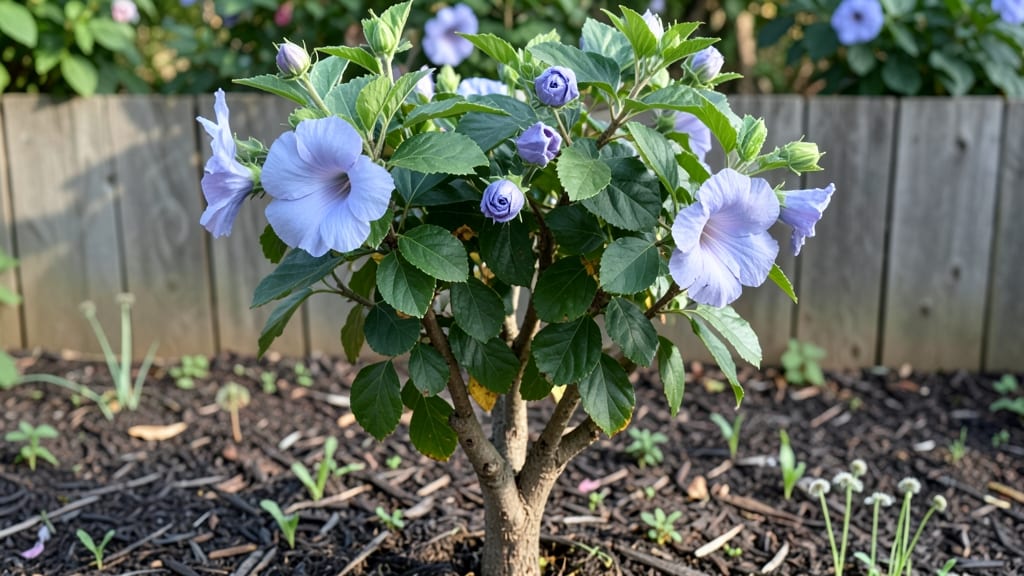
A vibrant flowering hibiscus bush 🌸 can transform your garden into a tropical paradise—if you know the right tricks to keep it blooming all season.
Your hibiscus could be bursting with flowers year-round, but only if you prune it the right way. Too much cutting back kills blooms, while too little leaves you with leggy, sparse growth. The secret lies in timing, technique, and a few simple adjustments that make all the difference.
In Zone 6a, where spring planting kicks off in April, the key is to prune just after the last frost—when new growth is ready to take off.
This isn’t just about snipping branches; it’s about encouraging your hibiscus to focus its energy on producing those show-stopping blooms instead of wild, unruly stems.
Below, I’ll walk you through the 4 simple steps to prune your hibiscus for nonstop color, plus the common mistakes that turn lush plants into bare branches. Ready to unlock your hibiscus’s full potential?
When and how to prune flowering hibiscus for maximum blooms
Pruning your flowering hibiscus bush at the right time transforms it from a sporadic bloomer to a year-round showstopper. The key lies in understanding seasonal timing and cutting techniques that encourage new growth while preserving the plant's energy.
Unlike many shrubs, hibiscus responds best to light, strategic pruning—never aggressive cuts—that maintain its shape and flowering potential.
Most gardeners make the mistake of pruning at the wrong time, often after the first frost or during peak bloom. This disrupts the plant's natural cycle and can leave you with bare branches and fewer flowers.
Instead, think of pruning as a two-season ritual: a spring cleanup to shape the plant and a light fall trim to prepare for winter. Let’s break down the exact steps to achieve that lush, blooming hibiscus you dream of.
Before grabbing your shears, gather your tools: sharp bypass pruners for clean cuts, sterilized alcohol wipes to disinfect blades between cuts, and a ladder or stool if your hibiscus is taller than 6 feet.
Always cut just above a leaf node or outward-facing bud to encourage growth in the direction you want. Avoid leaving stubs—these invite disease and weaken the plant.
Step-by-Step Pruning Guide for Flowering Hibiscus
-
Step 1: Early Spring Pruning (March-April)
Remove dead, damaged, or crossing branches first. Cut back last year’s growth by 1/3 to encourage new shoots and blooms. Focus on outward-facing buds to maintain an open, airy shape.
-
Step 2: Summer Deadheading (June-August)
Snip off spent blooms just above the next leaf node to redirect energy into new flowers. This keeps your hibiscus blooming continuously throughout the season. Use clean, sharp shears for precision cuts.
-
Step 3: Light Fall Pruning (October-November)
Trim back overly leggy growth by 10-15% to tidy the plant before winter. Avoid heavy cuts—hibiscus needs energy stored in its branches to survive colder months. Remove any weak or diseased branches to prevent winter rot.
-
Step 4: Post-Winter Inspection (February)
Check for dead wood caused by frost and prune it out immediately. If your hibiscus is in USDA Zone 8 or warmer, it may need minimal pruning—just a light shaping trim to prep for spring growth.
💡 Pro Tip: Always prune on a dry, sunny morning to reduce stress on the plant and allow wounds to dry quickly.
Timing is everything when it comes to pruning hibiscus. Spring pruning (March-April) is your chance to shape the plant and encourage robust new growth. This is when hibiscus naturally begins its active growth phase, making it the perfect time to cut back last year’s wood by about 1/3.
Aim to remove branches that are crossing, rubbing, or growing inward—these compete for sunlight and nutrients, reducing both bloom quality and quantity.
Many gardeners overlook summer deadheading, but this is the secret to nonstop blooms. Every time you see a spent flower (one that’s faded or wilting), snip it off at the base.
This simple act signals the plant to redirect energy into producing new buds instead of seeding. For tropical hibiscus varieties, this can mean daily deadheading during peak bloom season to keep flowers coming.
Fall pruning is often misunderstood—many assume it’s the time for heavy cuts, but hibiscus needs gentle maintenance in autumn. Focus on light shaping and removing any weak or diseased branches. Avoid cutting into old wood, as hibiscus stores energy in its branches to survive winter.
In Zone 7 and colder, you might skip fall pruning entirely and wait until early spring to avoid exposing the plant to late-season frost damage.
If your hibiscus isn’t blooming as much as you’d like, the issue might be over-pruning or poor cutting techniques. Always cut at a 45-degree angle just above a leaf node or outward-facing bud. This encourages growth in the direction you want and prevents unsightly stubs.
For large branches, use three-step pruning: first make an undercut, then an overcut, and finally snap off the branch cleanly at the node.
For container-grown hibiscus, pruning principles are the same, but you’ll need to be more aggressive with size control since space is limited. Prune back by up to 50% in early spring to keep the plant compact and encourage bushier growth.
Just be sure to fertilize lightly after pruning to support new growth. Use a balanced fertilizer (like 10-10-10) to promote both foliage and flower production.
Remember, hibiscus is a fast-growing shrub, and it rewards consistent, gentle pruning with vibrant blooms. Avoid the temptation to prune too late in the season—hibiscus needs time to harden off before winter.
By following these steps, your flowering hibiscus bush will not only survive but thrive, gracing your garden with bold, colorful blooms from spring through fall.
Common hibiscus pruning mistakes that kill blooms (and how to Fix them)
Pruning your flowering hibiscus bush is like conducting an orchestra—get it wrong, and the music stops. Many gardeners accidentally stunt blooms by cutting at the wrong time, using dull tools, or removing too much growth.
These pruning mistakes can leave your hibiscus looking leggy and sparse instead of lush and flowering.
One of the biggest errors is over-pruning in late winter or early spring. Hibiscus plants need their energy reserves to fuel new growth and blooms, and aggressive cuts can shock the plant.
Another common blunder is cutting too close to the bud nodes, which removes potential blooms before they even form.
Here’s a quick comparison of what to avoid—and how to fix it—so your hibiscus thrives with nonstop blooms all season.
✂️ Pruning Mistakes vs. Correct Methods
❌ Mistake
Over-pruning in winter
Removing more than 1/3 of the plant’s growth before spring can shock the hibiscus and delay blooming.
✅ Fix: Wait until early spring after new growth appears.
❌ Mistake (2)
Cutting at wrong angles
Leaving stubs or cutting too close to buds prevents new growth and blooms.
✅ Fix: Cut at a 45-degree angle, 1/4 inch above a leaf node.
✅ Correct Method
Prune in early spring
Remove dead or weak branches first, then trim back 1/3 of last year’s growth to encourage new blooms.
🌱 Best time: March-April in most climates.
✅ Correct Method (2)
Use sharp, clean tools
Dull shears crush stems, inviting disease. Always use sterilized pruners and clean cuts.
✂️ Tool tip: Wipe blades with rubbing alcohol between cuts.
Another frequent error is ignoring seasonal cues. Hibiscus blooms on new wood, meaning you should prune just before the growing season kicks in. If you prune in fall or winter, you risk removing next year’s flower buds before they form.
Always shape your hibiscus with an open center in mind. A dense center blocks sunlight and air flow, leading to fewer blooms. Aim to create a rounded, airy shape that lets light penetrate to the inner branches. This encourages blooms along the entire plant, not just the outer edges.
If you’ve already made a pruning mistake, don’t panic! Hibiscus are resilient. Focus on watering deeply and applying a balanced fertilizer (like 10-10-10) to help the plant recover. With proper care, your hibiscus will bounce back and reward you with vibrant blooms in no time.
Remember, the key to nonstop hibiscus blooms is timing, technique, and patience. A little attention now means a summer full of show-stopping flowers—and fewer trips to the garden center for replacements! 🌸