
Flowers
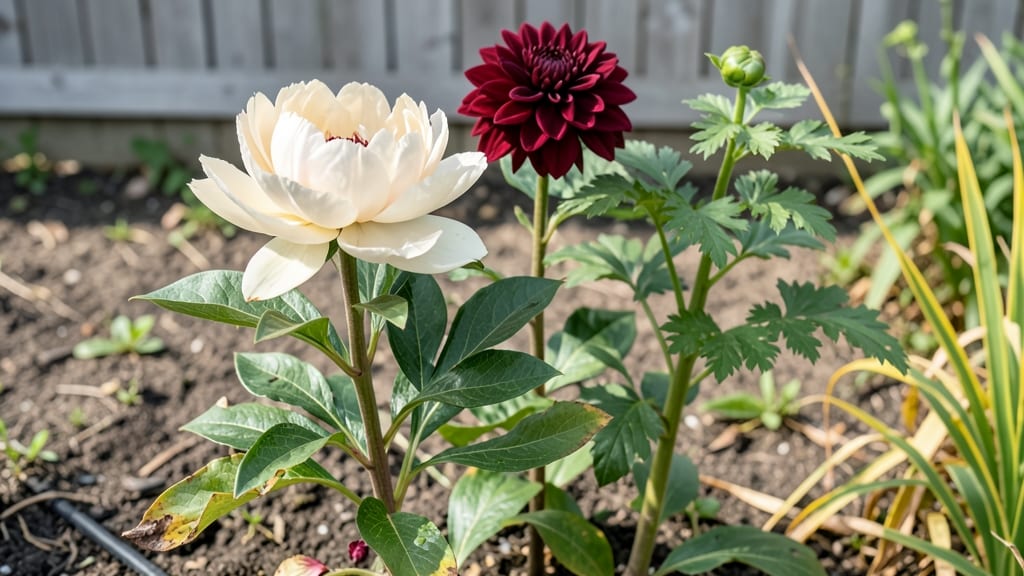
Peony flowering dahlias blend the romance of peonies 🌱 with the drama of dahlias into one showstopping plant.
Imagine a garden bursting with the lush, romantic blooms of peonies and the vibrant, long-lasting flowers of dahlias—now meet these hybrid marvels that combine the best of both worlds. They’re stealing hearts (and garden space) for their bold colors, extended bloom seasons, and effortless charm.
If you love peonies but wish they lasted longer—or adore dahlias but want softer, more romantic blooms—these hybrids are the perfect middle ground. They thrive in full sun and deliver weeks of color, making them the star of cottage gardens, formal borders, and everything in between.
Here’s how to pick the best varieties, grow them like a pro, and create a garden that blooms from early summer through fall.
Top 7 peony flowering dahlia varieties for stunning, long-lasting blooms
If you love the romantic fullness of peonies but crave the vibrant, long-lasting blooms of dahlias, peony flowering dahlias are your dream plants. These hybrids deliver oversized, layered petals that resemble peonies while offering dahlias' extended bloom seasons—some varieties flower from mid-summer to frost.
Their bold colors and ruffled edges make them standout stars in any garden bed or cutting garden.
The best part? These hybrids are more disease-resistant than traditional dahlias and often rebloom with minimal fuss. Whether you want soft pinks, deep reds, or sunny yellows, there's a peony flowering dahlia that will steal the show.
Below, I’ve curated the top 7 varieties based on bloom size, color impact, and garden performance—plus the care secrets to keep them thriving.
🌱
| Variety | Bloom Color | Height (ft) | Bloom Size (in) | Sun Needs | Care Tip |
|---|---|---|---|---|---|
| 'Bishop' | Soft pink with yellow centers | 3-4 ft | 6-8 in | Full sun (6+ hrs) | Deadhead weekly for repeat blooms |
| 'Arabian Night' | Deep burgundy-red with black centers | 4-5 ft | 7-9 in | Full sun | Stake early—tall stems need support |
| 'Thomas Edison' | Golden yellow with peony-like layers | 3-4 ft | 5-7 in | Full sun to part shade | Mulch to retain moisture in heat |
| 'Café au Lait' | Creamy white with pink undertones | 3-4 ft | 6-8 in | Full sun | Pinch back early for bushier growth |
| 'Karma Choc' | Dark chocolate-brown with velvety petals | 4-5 ft | 7-9 in | Full sun | Fertilize with high phosphorus for blooms |
| 'Galaxy' | Purple-black with silver edges | 3-4 ft | 6-8 in | Full sun | Plant in well-draining soil to prevent rot |
| 'Café au Lait' | Creamy white with pink undertones | 3-4 ft | 6-8 in | Full sun | Pinch back early for bushier growth |
Each of these peony flowering dahlias brings something unique to your garden.
For example, 'Bishop' is a dream for cottage gardens with its romantic pink blooms, while 'Arabian Night' adds dramatic contrast in deep red borders. 'Thomas Edison' is perfect for sunny spots, as it thrives in full sun to part shade—unlike many dahlias that wilt in heat.
If you’re designing a cutting garden, prioritize tall varieties like 'Arabian Night' (4-5 ft) for bold arrangements, or 'Galaxy' for moody, high-impact bouquets. For container gardening, 'Café au Lait' or 'Thomas Edison' shine in large pots with supportive stakes.
Their compact size (3-4 ft) makes them ideal for balconies and patios too.
🌿
One of the biggest misconceptions about peony flowering dahlias is that they’re high-maintenance. While they do need regular deadheading and staking (especially taller varieties), their reblooming habit makes them worth the effort.
For instance, 'Karma Choc' produces rich, velvety blooms that last weeks in vases—perfect for holiday arrangements. To maximize blooms, I recommend fertilizing every 2-3 weeks with a balanced 10-10-10 formula during the growing season (spring to early fall).
For first-time growers, start with 'Bishop' or 'Café au Lait'—they’re forgiving and disease-resistant. If you’re in a hot, humid climate, opt for 'Thomas Edison' or 'Galaxy', which handle heat better than traditional dahlias.
And if you love dark, moody colors, 'Karma Choc' and 'Arabian Night' are must-haves for a dramatic garden statement.
🪴
Pro tip: Plant peony flowering dahlias in groups of 3-5 for a lush, full look. Pair them with salvias, coreopsis, or Russian sage to extend their bloom time and fill gaps in your garden.
For example, 'Bishop' looks magical alongside purple salvia, while 'Arabian Night' contrasts beautifully with silver foliage plants like lamb’s ear.
Finally, don’t forget to protect your tubers in winter. After the first frost, cut back the foliage, dig up tubers, and store them in a cool, dry place (like a garage or basement) until spring. This simple step ensures you’ll have even more stunning blooms next season!
How to grow and care for peony flowering dahlias for maximum blooms
Peony flowering dahlias are a gardener's dream—combining the lush, romantic blooms of peonies with the vibrant, long-lasting flowers of dahlias. To unlock their full potential, you'll need to focus on soil health, sunlight exposure, and seasonal care.
These hybrids reward patience with bold, repeat blooms that last from summer through fall. Let's dive into the essentials to keep your plants thriving and bursting with color.
Unlike traditional dahlias, peony flowering varieties thrive with rich, well-draining soil and consistent moisture. They also prefer full sun exposure (6-8 hours daily) to produce their signature large, peony-like blooms.
With the right care, these plants can become the star of your garden, offering extended bloom seasons and minimal fuss. Let's break down the steps to maximize their beauty.
⚠️ Common Mistake Alert: Overcrowding Roots
Peony flowering dahlias hate crowded roots. Planting tubers too close together or failing to space them 18-24 inches apart leads to stunted growth and fewer blooms. These hybrids need room to establish strong root systems—think of it as giving each plant its own personal space in the garden bed.
Start by preparing your planting site in early spring, when soil temperatures reach 60°F (15°C). Amend the soil with compost or aged manure to improve drainage and fertility.
Peony flowering dahlias prefer slightly acidic to neutral soil (pH 6.0-7.0). Test your soil before planting—this small step can make a huge difference in bloom quality and plant health.
When planting, place tubers 2-3 inches deep with the eyes facing upward. Space them 18-24 inches apart to prevent competition. Water thoroughly after planting to settle the soil and encourage root growth.
Mulch around the base with 2-3 inches of organic mulch to retain moisture and suppress weeds—this simple step saves time and keeps roots cool.
Watering is critical, especially during hot, dry spells. Aim for 1-1.5 inches of water per week, delivered at the base of the plant to avoid wetting foliage (which can attract pests).
In summer, water deeply 2-3 times per week rather than shallowly daily. Morning watering is ideal—it reduces evaporation and gives leaves time to dry before evening.
Pruning plays a key role in encouraging repeat blooms. After the first flush of flowers fades, deadhead spent blooms by cutting back to the nearest healthy leaf or bud. This redirects energy to produce more flowers instead of seed pods.
In late summer, give your plants a light trim to remove any yellowing or diseased foliage, which helps maintain airflow and prevents fungal issues.
As winter approaches, protect your peony flowering dahlias from freezing temperatures. Once foliage dies back, cut stems to 2 inches above ground level. Pile mulch or straw around the base (6-8 inches deep) to insulate tubers.
In USDA Zones 3-5, consider digging up tubers and storing them in dry, cool conditions (like a garage) until spring. This extra care ensures a stronger, more vigorous rebloom next season.