
Pests and Diseases
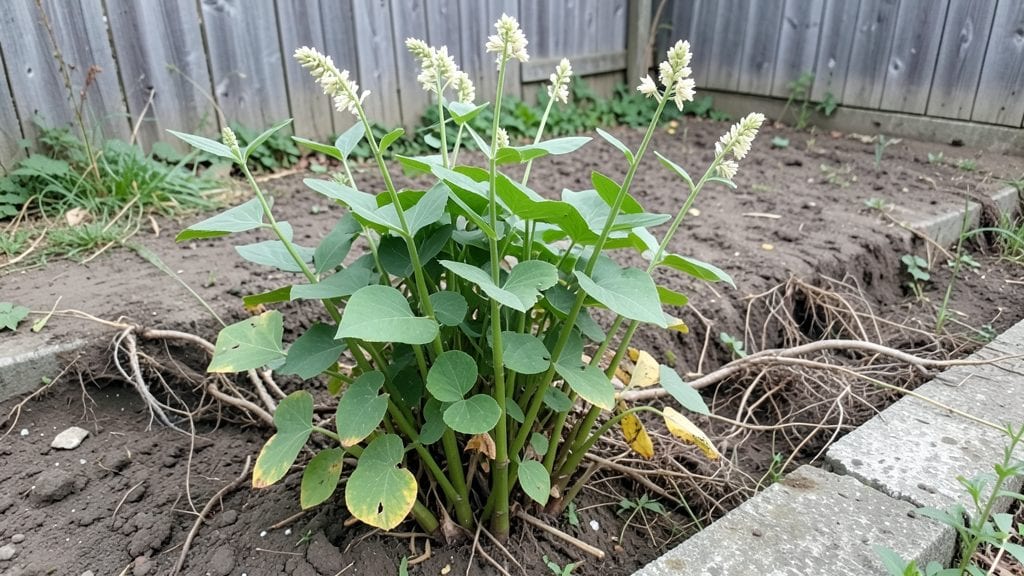
That invasive weed with pink flowers—the one hogging your garden’s attention? 🌱 We’ve battled it for years—Japanese knotweed, Himalayan balsam, or morning glory—each one a sneaky invader that chokes out your plants if you let it take root.
The first time we spotted it creeping up our raised beds, we thought it was a delicate wildflower until the roots refused to die.
Identifying it starts with those bright pink blooms, but the real giveaway is the aggressive growth: stems taller than your hand, leaves that spread like wildfire, and roots that burrow deeper than you’d expect. Most gardeners pull it too late—by then, the rhizomes have already spread underground.
The good news? Manual removal works if you catch it early, and vinegar or boiling water can kill the roots without harsh chemicals.
Once you’ve yanked the last stalk, the real work begins: keeping it from returning. We’ve learned that healthy soil and native ground covers create a fortress against regrowth. A quick finger-check of moisture levels helps too—dry soil slows its spread, while soggy patches give it the perfect foothold.
This isn’t just about clearing your garden—it’s about protecting your neighbors’ too. Some of these weeds are illegal to transport, so check local regulations before hauling clippings to the curb. Let’s turn that invasive menace into a memory, not a recurring nightmare.
Root Causes of Spread
Invasive weeds with vibrant pink flowers—like Himalayan balsam or Japanese knotweed—don’t just pop up overnight. Their rapid takeover is the result of a mix of biological advantages and human activity. Understanding these triggers helps you stop them before they become unmanageable.
🌱 Fast Reproduction & Seed Dispersal
Many pink-flowered invaders are aggressive reproducers, thanks to their biology. Some, like Himalayan balsam, produce thousands of seeds per plant, which explode from pods when touched—scattering them up to 20 feet away.
Others, such as spotted knapweed, rely on wind, water, or even animal fur to spread.
- Seed viability: Some seeds remain dormant for years in soil, waiting for the right conditions to germinate.
- Clonal growth: Plants like Japanese knotweed spread via underground rhizomes, creating dense colonies that outcompete native species.
- Early blooming: Many invasive weeds flower before native plants, ensuring their seeds disperse before local ecosystems can respond.
Actionable fix: Remove plants before seed set (when flowers appear but haven’t formed pods). Bag and dispose of debris in sealed trash—never compost.
🌍 Climate & Habitat Suitability
Invasive weeds thrive where native plants struggle—often due to ideal growing conditions. They’re adapted to:
| Factor | How It Helps Invaders |
|---|---|
| Moisture | Plants like Himalayan balsam love wet soils (streambanks, ditches) where natives can’t compete. |
| Sunlight | Full-sun exposure speeds up growth, giving them an edge over shade-tolerant locals. |
| Disturbed Soil | Construction, gardening, or erosion expose bare soil—perfect for seeds to germinate. |
| Mild Winters | Warmer climates let them survive winters that would kill native species. |
Actionable fix:
- Mulch bare soil to block light and prevent germination.
- Restore native ground covers to outcompete invaders.
- Avoid overwatering—many invasives don’t need extra help!
🚜 Human Activity & Accidental Spread
People are the #1 reason these weeds cross continents. Here’s how:
- Hitchhiking: Seeds cling to shoes, tires, tools, and pet fur. A single walk through an infested area can transport them miles.
- Contaminated soil: Nurseries, landscaping projects, or even firewood can carry hidden seeds.
- Waterways: Boats, fishing gear, and irrigation systems spread seeds via water displacement.
- Intentional (but misguided) planting: Some pink-flowered invasives were sold as "ornamental" plants before their ecological damage was known.
Actionable fix:
- ✅ Inspect tools, shoes, and pets after visiting infested areas.
- ✅ Buy native plants—avoid "exotic" species unless verified non-invasive.
- ✅ Clean boats and gear after water use (especially in lakes/rivers).
- ❌ Never dump garden waste or aquarium plants outdoors.
🐛 Lack of Natural Predators
In their native ranges, these weeds are kept in check by insects, fungi, or herbivores. But in new territories, they face no biological controls, leading to unchecked growth.
- Toxic defenses: Some produce chemicals that repel local herbivores (e.g., spotted knapweed’s roots contain toxins).
- No diseases: Fungal or bacterial pathogens that would normally limit their spread don’t exist in the new ecosystem.
- Pollinator confusion: Bright pink flowers attract bees and butterflies, but the resulting seeds don’t support local wildlife long-term.
Actionable fix:
- 🌿 Promote native alternatives to restore ecological balance.
- 🔬 Report sightings to local extension offices—they may track invasive spread.
- 🐝 Plant pollinator-friendly natives to divert bees from invasive flowers.
Effective Ways to Eliminate Pink-Blooming Invaders
Eradicating an invasive weed with vibrant pink flowers requires a strategic approach tailored to its growth habits and resilience. Below are practical, step-by-step solutions—from manual removal to long-term prevention—so you can reclaim your garden without breaking a sweat (or your budget).
🌱 Manual Removal: Hands-On Control for Small Infestations
Best for: Early-stage weeds or small patches in lawns, gardens, or cracks in pavement.
- 🔥 Pull When Soil Is Moist
- Wait for a rainy day or water the area 1–2 hours before pulling to loosen roots. Dry soil makes weeds brittle but increases the risk of breaking off the root system.
- 👨🍳 Grab the Base (Not Just the Flowers!)
- Use gloves (weeds like these often have thorns or irritating sap) and dig or pry with a trowel to expose the entire root system. A weed with a broken root will regrow—aim for the crown (the thickest part near the soil surface).
- Pro Tip: 💡 Twist and tug gently to avoid snapping stems. If resistance is strong, the root may still be buried deeper.
- 🗑️ Dispose of Debris Properly
- Do NOT compost invasive weeds—they’ll resprout! Instead:
- Bag and trash them immediately.
- For large quantities, double-bag and check local regulations (some areas require burning or landfill disposal).
- Warning: ✨ Avoid shaking seeds onto your lawn or neighboring properties!
- Do NOT compost invasive weeds—they’ll resprout! Instead:
💊 Chemical Solutions: Targeted Herbicides for Stubborn Cases
Best for: Large infestations, hard-to-reach areas (like under decks or in cracks), or when manual methods fail.
- 🔪 Selective Herbicides (Spot Treatment)
- Use glyphosate-free options like triclopyr or 2,4-D (for broadleaf weeds) if the plant is not near edibles or ornamentals. These kill the weed but spare grass.
- Application Tips:
- Spray directly on leaves (avoid overspray on desired plants).
- Apply on a calm, non-windy day to prevent drift.
- Reapply every 5–7 days for 2–3 weeks until the weed turns brown and dies.
- 🌡️ Vinegar-Based Herbicides (Organic Option)
- Mix 1 gallon of white vinegar (20–30% acetic acid) + 1 oz dish soap + 1 cup salt. Spray on weeds on a sunny day (heat enhances effectiveness).
- Limitation: Works best for small patches—large infestations may require multiple treatments.
- 🎯 Pre-Emergent Herbicides (Prevention Focus)
- Apply corn gluten meal or pre-emergent herbicides (like pendimethalin) before weeds sprout (early spring or fall). This blocks seed germination but won’t kill existing plants.
🌿 Long-Term Prevention: Stop the Spread
Even after eradication, vigilance is key. Here’s how to keep invasive pink weeds from returning:
| Cause | Fix | Prevention Tip |
|---|---|---|
| Seeds in Soil | Solarize soil (cover with clear plastic for 4–6 weeks in summer). | Mulch with 3+ inches of wood chips to block light and suppress regrowth. |
| Undetected Roots | Dig 12+ inches deep around the perimeter of treated areas. | Install landscape fabric under mulch to prevent weed seeds from reaching soil. |
| Wind/Water Spread | Remove weeds before they seed (typically late summer/fall). | Create physical barriers (gravel, rocks) in high-traffic or erosion-prone areas. |
| Lawn Gaps | Overseed bare spots with dense grass (like tall fescue or clover). | Mow high (3–4 inches) to shade out weeds and improve turf health. |
| Compost/Manure Use | Avoid using uncomposted materials that may contain weed seeds. | Sift compost before applying or opt for sterilized soil amendments. |
🛡️ Bonus: Natural Barriers & Competition
Outsmart invasive weeds by crowding them out:
- Plant dense ground covers like clover, creeping thyme, or native grasses to compete for space.
- Interplant with deep-rooted flowers (e.g., coneflowers, black-eyed Susans) that deter weeds naturally.
- Use edging tools to create physical barriers between lawns and garden beds.
Final Reminder: 🌟 Consistency is key! Check treated areas monthly for new sprouts, especially in the first year. With persistence, your garden will win the battle—and your pink-blooming invaders will become a distant memory.
Frequently asked questions
How can I tell if the pink flowers I see are from an invasive weed?
Look for key traits like rapid vertical growth (taller than your hand), clumping stems, and deep root systems. Common culprits include Japanese knotweed (with bamboo-like stems) or Himalayan balsam (exploding seed pods). Check if the plant spreads aggressively into adjacent areas—native flowers rarely behave this way.
Are there legal restrictions on removing invasive weeds with pink flowers?
Some species like Japanese knotweed are illegal to transport or sell in many states. Always check local regulations before disposing of clippings—some areas require special disposal methods (like landfill burial). Call your cooperative extension office for guidance on your region’s rules.
Why do these weeds keep coming back even after I pull them?
You’re likely missing underground rhizomes or seeds! Many invasives like pink morning glory spread via deep roots that regrow from tiny fragments. Dig 12+ inches deep and inspect soil for hidden pieces. For stubborn cases, try vinegar spray (undiluted) on roots before pulling.
What’s the safest way to prevent these weeds from spreading to my neighbors?
Bag all debris in double-layered trash bags and label them clearly. Avoid burning—seeds can spread via smoke. For large infestations, consider professional removal services that handle disposal properly. Always clean tools with rubbing alcohol after use to prevent seed transfer.
Can I use natural methods instead of chemicals to control these weeds?
Try smothering with black plastic for 4-6 weeks to kill roots, or use corn gluten meal as a pre-emergent. For existing plants, boiling water poured directly on stems can work—just avoid overspraying nearby plants. Consistency is key with natural methods!