
Pests
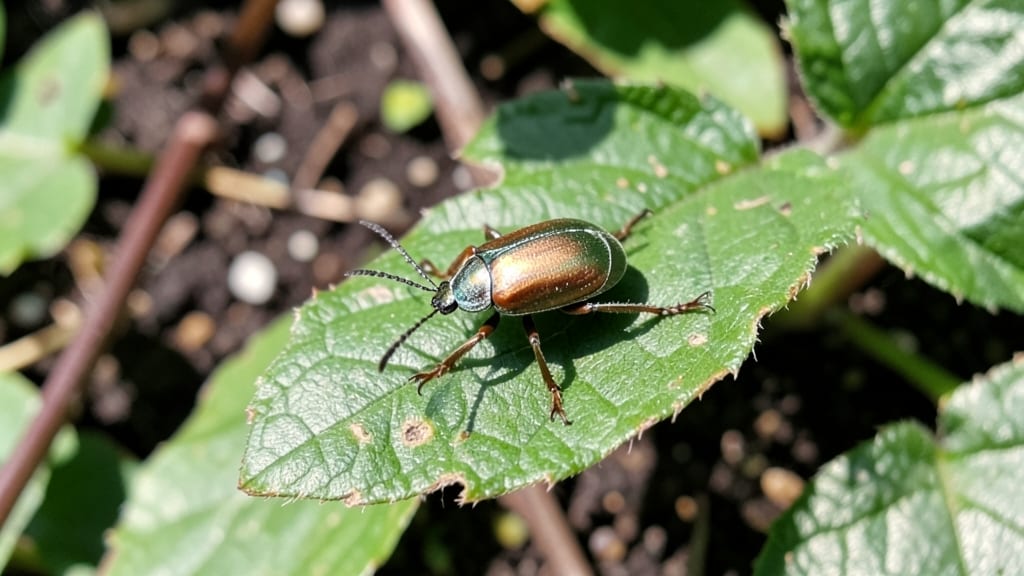
The Japanese flower beetle 🐞 is a metallic green menace that can turn your garden into a skeleton in days—if you don’t act fast.
Your prized roses and gardenias are under siege, but the culprits aren’t pests you’ve seen before. These shiny invaders chew through petals and leaves overnight, leaving behind a trail of destruction that’s hard to ignore. The good news? You can stop them before they ruin your plants.
This guide covers how to spot these beetles early, remove them safely, and protect your garden long-term—without harsh chemicals. Whether you’re dealing with larvae in the soil or adults feasting on your blooms, you’ll learn the most effective strategies to reclaim your yard.
From organic sprays to companion plants that repel them, I’ll walk you through every step to keep your garden thriving—no matter how bad the infestation gets.
How to identify Japanese flower beetles in your garden
The Japanese flower beetle (Donacia dentata) is easy to miss at first glance—until you spot the skeletal remains of your roses or chewed gardenia leaves. These beetles are metallic green or blue with white stripes along their thorax, making them stand out against foliage.
Their shiny exoskeleton reflects sunlight, drawing attention to their destructive habits. Unlike other beetles, they leave distinctive notched edges on leaves, a dead giveaway for gardeners.
Adult Japanese flower beetles are most active between June and August, when they feed on over 100 plant species, including willows, roses, gardenias, and lilacs.
Their larvae, however, live in soil near water, where they chew on roots of aquatic plants like cattails or water lilies. The damage from adults looks like lace-like holes in leaves, while larvae create ragged root damage that can kill young plants.
Knowing these patterns helps you act fast.
Here’s how to distinguish them from similar pests like rose chafers or Japanese beetles. While Japanese beetles are bronze-green with white tufts, flower beetles have longer antennae and a more elongated body.
Rose chafers, on the other hand, are smaller and brownish with less metallic sheen. The key difference? Flower beetles prefer water-adjacent plants, while rose chafers target lawns and roses exclusively.
| Feature | Japanese Flower Beetle | Rose Chafer | Japanese Beetle |
|---|---|---|---|
| Body Color | Metallic green/blue | Brownish with red legs | Bronze-green |
| Size | 1/2 to 3/4 inch | 1/4 to 1/2 inch | 1/2 inch |
| Distinctive Marks | White stripes on thorax | None | White tufts on sides |
| Favorite Plants | Willows, roses, gardenias | Roses, lawns | Roses, grapes, linden |
| Leaf Damage | Notched edges, lace-like holes | Skeletonized leaves | Irregular holes, chewed petals |
| Active Season | June–August | June–July | July–September |
| Larval Habitat | Soil near water | Grass roots | Grass roots |
If you’re checking your garden in early morning or late afternoon, you’ll spot these beetles feeding on flowers or resting on leaves. Their slow, deliberate movement sets them apart from faster-moving beetles. Look for clusters near water sources, as they’re drawn to damp soil where larvae thrive.
Pro tip: Shake plants over a bucket of soapy water to dislodge them and inspect the fallen beetles up close.
Larvae are the real troublemakers underground, but they’re harder to spot. Their damage appears as stunted growth or wilting in aquatic plants like water lilies or cattails. To confirm, dig near the roots of affected plants—you might find white, worm-like larvae about 1 inch long.
Unlike adult beetles, larvae don’t cause visible holes; instead, they munch on roots silently, leading to sudden plant death.
One of the biggest mistakes gardeners make is ignoring early signs of Japanese flower beetles. By the time you notice heavy defoliation, the beetles may have already laid hundreds of eggs in your soil. Start by inspecting new leaves daily during peak season.
Pay special attention to young, tender shoots, as these are their favorite targets. A hand lens can help spot the tiny white eggs laid on undersides of leaves.
To confirm an infestation, place a white bucket filled with soapy water under susceptible plants. Gently shake the branches—any Japanese flower beetles will drop in. This
Safe removal methods: chemical-free ways to eliminate Japanese flower beetles
Japanese flower beetles can wreak havoc on your garden in just a few hours, but you don’t need harsh chemicals to remove them. Start with manual removal during early morning hours when they’re sluggish.
Grab a bucket of soapy water and pluck them off your roses, gardenias, or lilacs—this method is 100% effective but requires daily attention during peak season. For larger infestations, combine multiple organic approaches for better results.
Another highly effective solution is neem oil spray, which disrupts their feeding patterns and reproduction. Mix 2 teaspoons of neem oil with 1 quart of water and a drop of dish soap, then spray directly on beetles and affected foliage.
Apply in the evening to avoid harming beneficial pollinators like bees. Reapply every 3-5 days for persistent infestations, especially after rain.
Diatomaceous earth is a natural powder that dehydrates beetles by damaging their exoskeletons. Sprinkle a thin layer around the base of vulnerable plants like roses and gardenias, focusing on areas where beetles gather. This method is pet-safe once settled but should be avoided in high-traffic areas where children or pets play. Reapply after watering or heavy rain to maintain effectiveness.
For long-term control, focus on habitat disruption to break their life cycle. Japanese flower beetle larvae thrive in moist, grassy areas, so remove thatch and grass clippings from your garden beds. Mulch with wood chips instead of straw, as this creates a drier environment that larvae avoid.
Combine this with early-season monitoring—check soil for grubs in spring and treat with beneficial nematodes if needed.
Always prioritize safety for pets and children when using organic methods. Neem oil and diatomaceous earth are generally safe once dry, but keep them out of reach until fully settled. For extra protection, wear gloves when handling beetles manually and dispose of them in soapy water to prevent re-infestation.
With consistent effort, your garden can stay beetle-free without relying on harmful chemicals.
🌿