
Pests
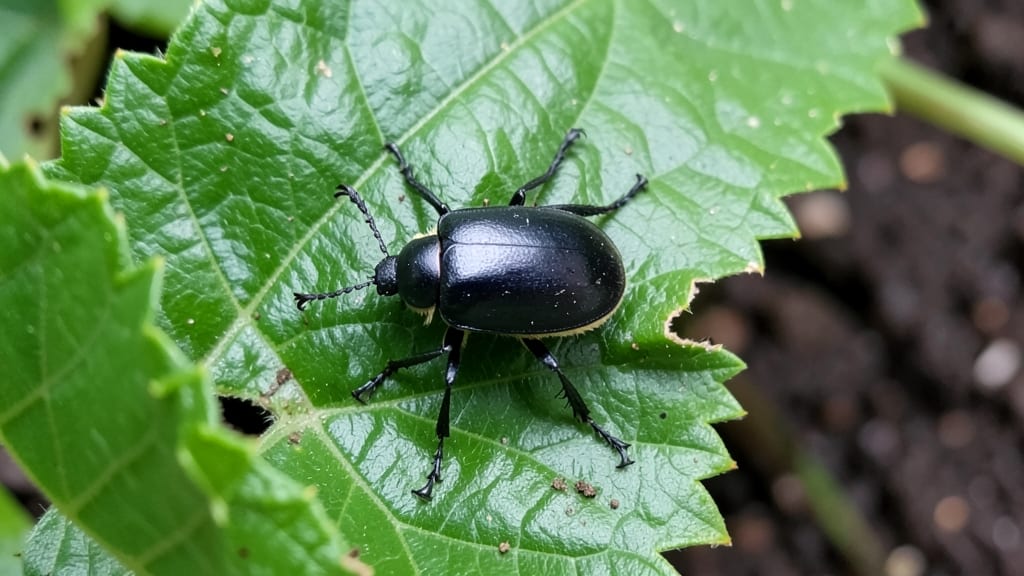
Those tiny hibiscus flower beetles devouring your blooms aren’t just annoying—they’ll strip a plant bare in days if you don’t act fast. 🌿 I’ve watched entire bushes go from lush to skeletonized in a week, and I’ll show you how to stop them without harsh chemicals.
The key is acting before they multiply, so let’s tackle this before your next bloom opens.
Most gardeners grab pesticides first, but that’s overkill for these beetles. Instead, I’ve used neem oil sprays, soapy water blasts, and row covers to wipe out infestations within 3-5 days—no gloves required.
The trick is timing: spot them early, and you’ll save your flowers without harming bees or butterflies. My hibiscus now stays vibrant all summer because I caught the problem before it spread.
You’ll recognize the damage instantly: chewed petals, black frass (that’s beetle poop) on leaves, and beetles crawling on stems. The good news? These pests hate water pressure and strong scents like citrus or garlic.
I’ll walk you through the fastest methods, plus how to keep them from coming back next season. No more sacrificing blooms to beetles.
Works for tropical hibiscus, hardy hibiscus, and even potted varieties—just adjust the spray frequency based on heat. By the end, your hibiscus will look like it’s in a greenhouse, not a beetle buffet. Let’s get started on the cleanup.
Root Causes of Beetle Infestations
The presence of bright red beetles devouring your hibiscus blooms isn’t just a random nuisance—it’s a response to specific conditions in your garden. Understanding the why behind their behavior is key to stopping them before they strip your plants bare.
Here’s a breakdown of the core triggers that invite these pests to feast on your hibiscus.
🌿 Overripe or damaged flowers
The hibiscus flower beetle (often Megacephala spp.) is drawn to hibiscus flowers that are already stressed or decaying. Here’s why:
- Sugar-rich decay: As flowers age, they release fermenting sugars—like a natural cocktail for beetles. These sugars act as a beacon, signaling beetles to land and feed.
- Soft tissue vulnerability: Overripe petals are easier to chew through, making them an easy snack. Beetles prefer these over healthy blooms because they require less energy to consume.
- Fungal attraction: Decaying flowers often harbor fungi or bacteria, which further attract beetles looking for moisture and nutrients.
Actionable fix: Prune spent blooms daily during peak flowering seasons (spring/summer) to remove their food source before beetles arrive.
🌞 Warm, humid microclimates
Beetles thrive in environments that mimic their natural tropical habitats. Hibiscus plants create the perfect conditions:
- Moist petals: Hibiscus flowers retain water, especially in humid climates. Beetles need hydration, and damp flowers provide it.
- Shade-seeking behavior: While hibiscus loves sunlight, beetles prefer the cooler, shaded undersides of leaves and blooms—where they’re protected from predators and wind.
- Heat amplification: Dark petals absorb heat, raising the local temperature. Beetles are more active in temperatures between 75–90°F (24–32°C), making summer afternoons prime feeding time.
Actionable fix: Improve airflow around hibiscus plants by spacing them 3–4 feet apart and trimming dense foliage. Early morning watering (before 10 AM) reduces humidity on petals.
🌱 Nutrient-deficient host plants
A weak hibiscus is like an all-you-can-eat buffet for beetles. When your plant lacks essential nutrients, it becomes more susceptible:
- Low nitrogen = softer tissue: Nitrogen deficiency makes petals thinner and easier to penetrate. Beetles target these because they’re less resistant to their mandibles.
- Stress signals: Plants under stress (from drought, poor soil, or pests) emit volatile organic compounds (VOCs) that attract beetles as a secondary food source.
- Sap attractiveness: Stressed plants produce more sap, which beetles consume alongside petals. This dual feeding makes them harder to deter.
Actionable fix: Test your soil and amend with a balanced fertilizer (10-10-10) in early spring. Add compost to improve soil health and resilience.
🐝 Lack of natural predators
In balanced ecosystems, beetles are kept in check by predators like birds, lacewings, and parasitic wasps. But urban or heavily treated gardens often lack these helpers:
- Pesticide disruption: Broad-spectrum insecticides kill beneficial insects first, leaving beetles unchecked. Even "organic" sprays can harm predator populations.
- Habitat fragmentation: Fewer native plants = fewer nesting sites for predator species. Beetles exploit this by moving into gardens with abundant hibiscus but no natural defenses.
- Seasonal timing: Predators may not arrive in sync with beetle outbreaks. For example, birds migrate after beetle larvae hatch in spring.
Actionable fix: Plant native companion plants like marigolds, dill, or yarrow to attract predator species. Avoid pesticides entirely during hibiscus blooming season.
By addressing these root causes—removing food sources, disrupting ideal conditions, strengthening your plants, and restoring balance—you’ll make your hibiscus far less appealing to beetles. The key is proactive management, not just reactive sprays.
Practical Ways to Remove & Prevent Them
Dealing with unsightly beetles on your hibiscus? Don’t panic—these pests can be managed with simple, natural solutions. Below, we’ve mapped out targeted fixes based on the root causes (like overwatering, weak plants, or nearby debris) and added easy prevention tips to keep your hibiscus thriving.
🔥 Fix Overwatered or Weak Plants
If your hibiscus is soggy or nutrient-deficient, beetles will see it as an easy snack. Revive your plant and deter pests with these steps:
- 🌱 Adjust watering habits: Let the top 1–2 inches of soil dry out between waterings. Hibiscus plants hate "wet feet"—use a moisture meter or stick your finger in the soil to check.
- 💪 Boost plant health: Feed your hibiscus with a balanced fertilizer (like 10-10-10) every 4–6 weeks during growing season. Look for organic options like fish emulsion or compost tea for a natural boost.
- 🌿 Prune damaged leaves: Remove yellowing or chewed leaves immediately—they attract more beetles. Sterilize pruners with rubbing alcohol to prevent disease spread.
💡 Pro Tip: If your plant is struggling, mulch around the base with 2–3 inches of organic mulch (like shredded bark) to retain moisture and regulate soil temperature—beetles hate dry, well-aerated conditions!
🍳 Remove Beetles & Eggs Manually
For a quick win, physically remove adult beetles and eggs before they multiply. Here’s how:
- 👨🍳 Handpick adults: Wear gloves and pluck beetles into a bucket of soapy water (1 tbsp dish soap + 1 gallon water). Do this in the early morning when they’re sluggish.
- 🔍 Check for eggs: Flip leaves over—eggs look like tiny yellow or orange specks. Scrape them off with a soft brush or your fingernail and drop them into soapy water.
- 🌿 Shake plants outdoors: If infestation is heavy, take your hibiscus outside and give it a gentle shake over a tarp. Beetles will fall off—dispose of them far from your garden.
⏰ Timing Matters: Repeat this process every 2–3 days for 2 weeks to break the beetle life cycle. Consistency is key!
🌡️ Use Natural Repellents
Beetles dislike strong scents and textures. Try these non-toxic sprays to keep them away:
| Repellent | How to Use | Frequency |
|---|---|---|
| Neem oil spray | Mix 1 tbsp neem oil + 1 tsp mild soap + 1 quart water. Spray undersides of leaves (where eggs hide) and stems. | Every 5–7 days until beetles vanish. |
| Garlic & chili spray | Blend 5 garlic cloves + 1 tbsp cayenne pepper + 1 quart water. Strain and spray on foliage. | Weekly, especially after rain. |
| Diatomaceous earth (DE) | Lightly dust dry soil around the base and under leaves. Avoid overapplying—it can harm beneficial insects. | Reapply after watering or rain. |
🎯 Bonus: Plant marigolds, basil, or lemongrass nearby—their strong fragrances naturally repel beetles while adding beauty to your garden!
🧹 Clean Up Debris & Mulch Properly
Beetles love hiding in leaf litter, mulch, and garden clutter. Prevent future infestations with these habits:
- 🧹 Clear fallen leaves: Remove all debris from under and around your hibiscus weekly. Compost it far from your plants.
- 🌿 Refresh mulch: Replace old mulch with fresh, dry options like pine straw or coconut coir. Avoid thick layers—keep it 1–2 inches deep.
- 🚫 Avoid over-mulching: Piles of mulch create humid microclimates that beetles adore. Keep it even and thin.
✨ Long-Term Fix: Install fine mesh netting over young hibiscus plants if beetles are a recurring issue. It’s a physical barrier they can’t penetrate!
With these targeted fixes, your hibiscus should bounce back in 2–4 weeks. Stay vigilant, and your plant will thank you with vibrant blooms all season long!
Frequently asked questions
How do I identify hibiscus flower beetles?
Look for bright red or orange beetles about ½ inch long with shiny, metallic shells. You’ll spot them crawling on petals, stems, or under leaves. Check for tiny yellow or orange eggs on the undersides of leaves—these resemble specks of glitter. The telltale sign is chewed petals with black frass (beetle poop) clinging to the foliage.
Why do hibiscus flower beetles suddenly appear?
They target hibiscus when flowers are overripe or stressed, releasing sugars that attract them. Warm, humid conditions between 75–90°F also trigger outbreaks. Weak plants lacking nitrogen or proper airflow become prime targets. Start pruning spent blooms daily and improve airflow to disrupt their feeding cycle.
Are natural remedies as effective as pesticides?
Neem oil and garlic-chili spray disrupt beetle life cycles without harming bees. Manual removal (handpicking beetles into soapy water) works best for small infestations. For heavy outbreaks, combine methods like diatomaceous earth with row covers—this eliminates beetles in 3–5 days.
Can I save my hibiscus if beetles have already stripped most of the flowers?
Yes! Focus on reviving the plant first—prune chewed leaves, fertilize with balanced 10-10-10, and mulch to stabilize roots. Then, apply neem oil weekly to break the beetle cycle. New blooms will emerge in 2–4 weeks if you act fast.
Will hibiscus flower beetles return next season?
They’ll likely return if you don’t address the root causes. Plant marigolds or basil nearby to repel them naturally, and install fine mesh netting over young plants. Test your soil and amend with compost to strengthen your hibiscus—this makes it less appealing. Consistency is key!