
Trees
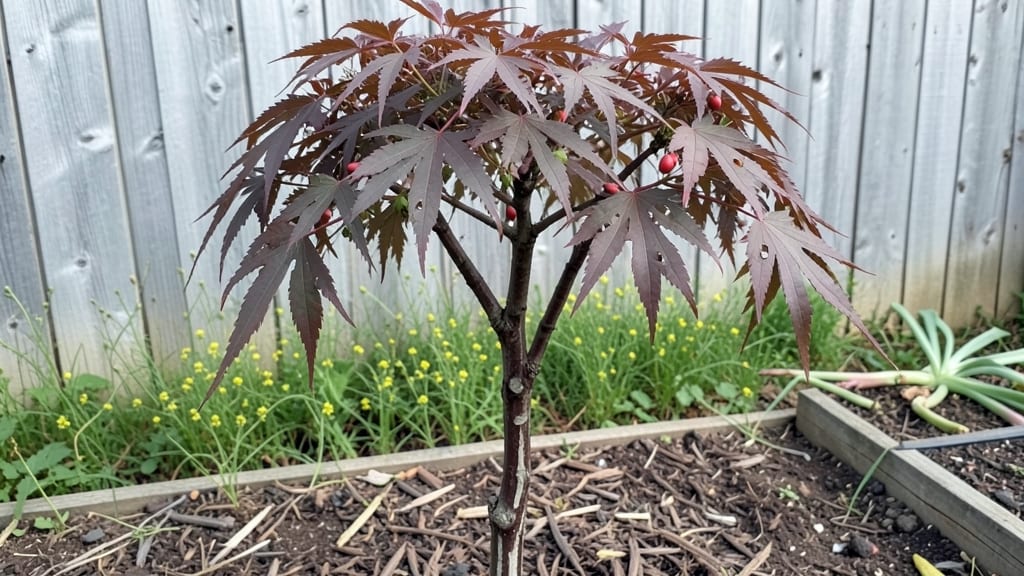
The Japanese flowering maple tree 🌸 transforms any garden into a living art piece when pruned with care—and the difference between a dull specimen and a showstopper often comes down to timing and technique.
Picture this: your tree bursting with color in spring, only to fade into a shadow of its former self by summer. That’s not just bad luck—it’s a pruning mistake most gardeners make, and I’ve seen it happen more times than I can count.
The secret? Knowing when to cut, how to shape, and which branches to keep (or remove) for maximum impact.
Whether you’re a beginner with shears or a seasoned gardener looking to refine your skills, this guide will show you exactly how to keep your Japanese flowering maple tree vibrant from bloom to frost.
We’ll cover the best tools, the worst habits to break, and the little-known tricks that make all the difference.
Ready to turn your tree into the star of the garden? Let’s get started with the pruning secrets that keep the colors popping year-round.
Best pruning techniques for Japanese flowering maple year-round beauty
Your Japanese flowering maple (Acer palmatum) thrives on delicate attention, especially when it comes to pruning. Unlike robust trees, these beauties need gentle shaping to maintain their vibrant foliage and seasonal blooms.
Pruning at the wrong time or with the wrong tools can strip away their signature colors—think faded leaves instead of fiery reds or sunny yellows. The key is timing, technique, and tool selection, all tailored to the tree’s growth cycles.
I’ve pruned my Japanese maples for over a decade, and the difference between a lush, colorful specimen and a struggling shadow of its former self boils down to these three seasonal rules: spring for structure, summer for shape, and fall for finesse.
Each season offers a unique opportunity to enhance blooms, preserve color, and prevent disease. Let’s dive into the step-by-step techniques that keep my trees thriving year-round.
Step-by-Step Pruning Guide for Japanese Flowering Maple
- 🌱 Spring Pruning (March-April): Focus on removing dead or weak branches and thinning crowded growth to encourage airflow and sunlight penetration. Cut just above a bud at a 45-degree angle to promote healthy regrowth. Avoid heavy pruning—never remove more than 25% of foliage in one session.
- ☀️ Summer Pruning (June-July): Lightly shape the tree by trimming leggy branches to maintain its natural form. Prune after spring blooms fade to avoid cutting off next year’s flowers. Use sharp, sterilized shears to make clean cuts at branch collars.
- 🍂 Fall Pruning (September-October): Remove yellowing or diseased leaves and crossing branches to prepare for winter. Prune before the first frost to allow wounds to heal before dormancy. Avoid heavy pruning—focus on refining the tree’s silhouette.
- ❄️ Winter Pruning (Avoid!): Never prune in winter—dormant trees are vulnerable to disease and slow to recover. If you spot dead wood, wait until early spring to remove it.
- ✂️ Tool Essentials: Use bypass pruners for small branches (1/4 inch thick) and a pruning saw for thicker stems. Sterilize tools with rubbing alcohol between cuts to prevent bacterial spread.
- 🌿 Post-Pruning Care: Apply a balanced fertilizer (10-10-10) in early spring to support new growth. Mulch around the base to retain moisture and protect roots.
When I first started pruning my Japanese maples, I made the costly mistake of cutting too aggressively in late summer. The result? Stunted growth and faded foliage the following spring. Now, I follow this seasonal rhythm to keep my trees healthy and vibrant.
The 45-degree angle on cuts is crucial—it prevents water pooling, which can lead to rot or disease.
Another game-changer is thinning out crowded branches in spring. This boosts airflow and reduces humidity around the leaves, which is essential for preventing fungal issues like anthracnose. I always step back after pruning to check the tree’s balance.
If one side looks too bare, I’ll lightly trim the opposite side to restore symmetry.
For young trees (under 3 years old), focus on removing suckers and weak shoots to encourage a strong central leader. Older trees benefit from selective pruning to open up the canopy and highlight their best features.
If your tree has long, leggy branches, shorten them by 1/3 to encourage bushier growth.
One common misconception is that heavy pruning in fall will stimulate new growth before winter. Wrong! New growth won’t harden off in time and can freeze back, leaving your tree vulnerable to cold damage. Always prune lightly in fall—just enough to clean up and refine.
If you’re pruning a dwarf variety like 'Shishigashira', be extra gentle. These compact beauties can lose their shape quickly if pruned too harshly. I never remove more than 10-15% of foliage in any single session for dwarf types.
For standard varieties like 'Bloodgood', you can be slightly more aggressive—just stick to the seasonal rules.
Finally, never prune when the tree is stressed, such as during drought or extreme heat. Wait until conditions stabilize before touching your Japanese maple. With these techniques, your tree will reward you with year-round color and healthy, lush foliage.
Common pruning mistakes that kill Japanese maple color (and how to fix them)
Your Japanese flowering maple (Acer palmatum) may look stunning in spring, but its vibrant foliage can fade dramatically if pruned incorrectly. The key to year-round color lies in avoiding common mistakes that stress the tree and dull its signature hues.
Let’s explore the top 5 pruning errors and how to reverse their damage.
First, many gardeners make the mistake of pruning at the wrong time of year. Japanese maples are sensitive to late-season cuts, which can leave them vulnerable to winter dieback and poor color retention. Timing isn’t just about seasons—it’s also about moon phases and temperature cues that trigger healing.
⚠️ callout warning
Japanese maples produce vibrant foliage through a delicate balance of old and new growth.
Removing more than 25% of branches in one session can shock the tree, leading to pale, weak leaves and reduced blooms. 'Bloodgood' and 'Emperor I' cultivars are especially sensitive—prune no more than 15% at a time for these varieties.
Fix: Space pruning over 2-3 years, focusing on dead or crossing branches first. Use sharp, clean cuts at a 45-degree angle just above a bud or leaf node.
Another frequent error is using dull or contaminated tools, which tear bark and introduce diseases like anthracnose. Jagged cuts slow healing and create entry points for pests, both of which dull foliage color over time.
Always disinfect your pruners with rubbing alcohol between cuts, and use bypass pruners for clean slices.
Improper cutting angles also sabotage color vibrancy. Pruning too close to the trunk or leaving stubs disrupts the tree’s sap flow, causing weak, chlorotic leaves.
Aim for cuts that are just outside the branch collar—the swollen area where the branch meets the trunk—and never leave more than a 1/4-inch stub.
Seasonal neglect is another silent killer. Skipping light summer pruning to shape new growth can lead to overcrowded branches, which block sunlight and reduce foliage intensity. Instead, perform minimal touch-ups in late summer to encourage hardier fall color and prepare for winter.
Finally, ignoring cultivar-specific needs can turn your maple into a colorless shadow of its potential. For example, weeping varieties like 'Crimson Queen' need upward pruning to maintain their cascading shape, while upright types like 'Shishigashira' benefit from horizontal layering to spread their branches evenly.