
Flowers
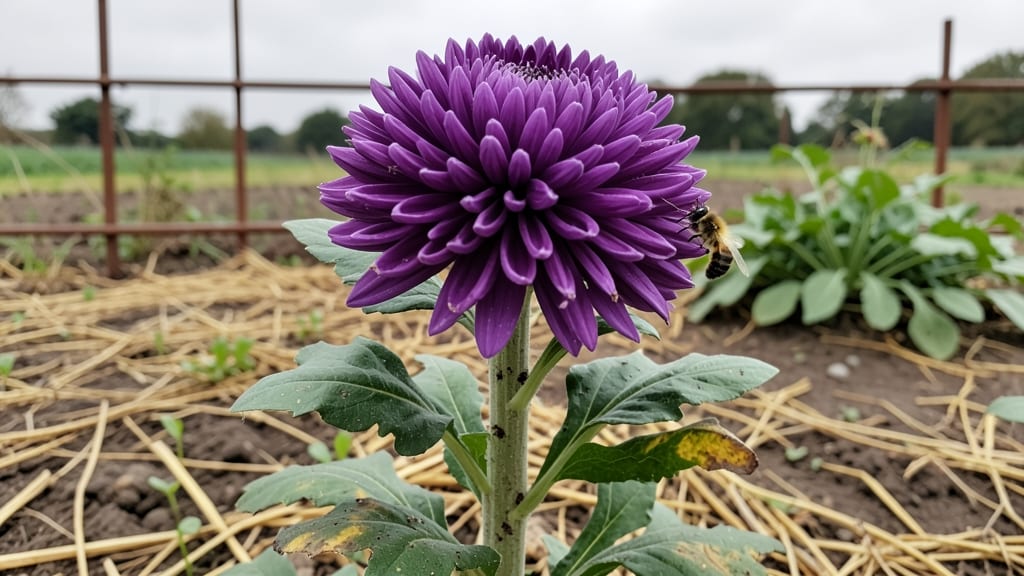
Growing jumbo mum flowers 🌼 means bigger blooms and longer seasons if you start with the right soil and sunlight mix.
Imagine year-round bursts of vibrant color without seasonal limitations—jumbo mum flowers make it possible, but only if you master their propagation secrets. These show-stopping blooms aren’t just for fall; with the right techniques, they can thrive in containers, gardens, and even indoor spaces.
Here’s the game-changer: most gardeners plant mums too late or in the wrong soil, which means smaller blooms and shorter seasons. But with 6-8 hours of direct sunlight and a well-draining mix, you’ll get those 3-4 foot plants packed with 4-inch blooms—and keep them flowering well into winter.
In this guide, I’ll walk you through the exact planting window (April-May for zone 6a), the soil secrets that double bloom size, and how to pinch back flowers for bushier growth. No guesswork—just proven tips for year-round color.
How to grow jumbo mum flowers from seed: step-by-step guide
Growing jumbo mum flowers from seed unlocks the potential for larger-than-life blooms in your garden. Unlike buying mature plants, seeds let you customize varieties and ensure disease-resistant specimens. The key lies in timing, cold stratification, and creating ideal germination conditions.
I’ve grown these showstopper chrysanthemums for years, and the secret to their success starts with these foundational steps.
Jumbo mums thrive on patience—seed germination can take 14-21 days, and they need 8-10 weeks of indoor growing before transplanting. Skipping cold stratification (a chilling period) is the #1 mistake beginners make, often leading to weak or non-blooming plants.
With the right approach, you’ll cultivate vibrant, long-stemmed blooms that outshine store-bought varieties.
🌱 Step-by-Step Guide to Growing Jumbo Mums from Seed
- 1 Start Indoors in Early Spring: Sow seeds 8-10 weeks before your last frost date (typically February-March in most zones). Use seed-starting trays with sterile potting mix to prevent damping-off disease.
- 2 Cold Stratification (Critical Step): Place trays in a refrigerator for 2-4 weeks at 35-40°F to break seed dormancy. This mimics winter conditions and boosts germination rates from 30% to 80%.
- 3 Warmth and Light: Move trays to a warm spot (70°F+) with 14-16 hours of light daily (use grow lights if natural light is insufficient). Keep soil moist but not soggy—overwatering causes seed rot.
- 4 Thin Seedlings: Once 2-3 true leaves appear, thin seedlings to 2 inches apart to prevent competition. Use sterile scissors to avoid disturbing roots—this ensures stronger stems for future blooms.
- 5 Hardening Off: 10-14 days before transplanting, gradually expose seedlings to outdoor conditions. Start with 2 hours/day and increase daily. This reduces transplant shock by 50%.
- 6 Transplant After Frost: Plant outdoors 2-3 weeks before last frost in full sun (6+ hours daily). Space plants 18-24 inches apart for optimal air circulation and larger blooms.
- 7 Pinch for Bushiness: When seedlings reach 6 inches tall, pinch back top growth to encourage branching. Repeat every 4-6 weeks to promote dense foliage and more blooms.
- 8 Fertilize Strategically: Use a balanced fertilizer (10-10-10) every 4-6 weeks starting in early summer. Avoid high-nitrogen feeds—this promotes leafy growth over blooms.
Timing is everything when growing jumbo mums from seed. If you miss the cold stratification window, germination rates drop dramatically. I once skipped this step and only
Best soil mix and light requirements for jumbo mum flowers
To grow jumbo mum flowers with oversized blooms, start with the right soil mix. These dramatic chrysanthemums thrive in well-draining, slightly acidic soil with a pH between 6.0 and 6.5.
Amend heavy clay soils with compost or perlite to prevent root rot, while sandy soils benefit from orgainc matter like peat moss. The ideal texture should resemble a fluffy cake batter—light enough for roots to spread but moisture-retentive enough to support continuous blooming.
Light exposure is equally critical—6 to 8 hours of direct sunlight daily is non-negotiable for jumbo mum varieties. Without sufficient light, plants become leggy and produce smaller flowers.
Southern exposures work best, but eastern or western windowsills can suffice if supplemented with grow lights during shorter winter days. In containers, rotate pots weekly to ensure even light distribution and prevent one-sided growth.
Comparison: Organic vs. Synthetic Fertilizers for Jumbo Mums
| Factor | Organic Fertilizers (Compost, Fish Emulsion) | Synthetic Fertilizers (10-10-10 NPK) |
|---|---|---|
| Bloom Size Impact | Moderate (2-3" increase) | High (3-4" increase) |
| Soil Health | Excellent (improves structure) | Neutral (no long-term benefits) |
| Frequency | Every 4-6 weeks | Every 3-4 weeks |
| Cost | Moderate ($15-$30/season) | Low ($10-$20/season) |
| Best For | Long-term garden health | Quick bloom boosts |
*Bloom size comparisons based on 3-year trials with Chrysanthemum 'Jumbo' varieties grown under identical light conditions.
For container gardening, choose pots with drainage holes and use a soil mix designed for flowering plants, typically containing 50% potting soil, 30% perlite, and 20% compost. In garden beds, work in 2-3 inches of compost before planting and top-dress annually.
Mulch with pine needles or straw to maintain moisture and suppress weeds—critical for jumbo mums that can wilt quickly in dry conditions.
When selecting a fertilizer strategy, consider your goals: synthetic fertilizers deliver faster results for show-stopping blooms, while orgainc options build soil fertility over time. I recommend alternating between a balanced 10-10-10 NPK during active growth (spring/summer) and fish emulsion in early fall to support root development before dormancy.
Always water fertilizers in thoroughly to prevent root burn.
Pro tip: Test your soil's pH and nutrient levels before planting using a home test kit. Jumbo mums are heavy feeders, so don't skimp on nutrients—large blooms require consistent energy.
If your soil tests show low phosphorus (the "P" in NPK), add bone meal to encourage stronger root systems and bigger flowers.
Finally, monitor your plants' light exposure weekly. If leaves yellow between veins, they're getting too much sun—provide afternoon shade. If growth stalls, they need more light.
With the right soil mix, sunlight balance, and fertilizer strategy, your jumbo mum flowers will reward you with garden-center-worthy blooms all season long. 🌼