
Trees
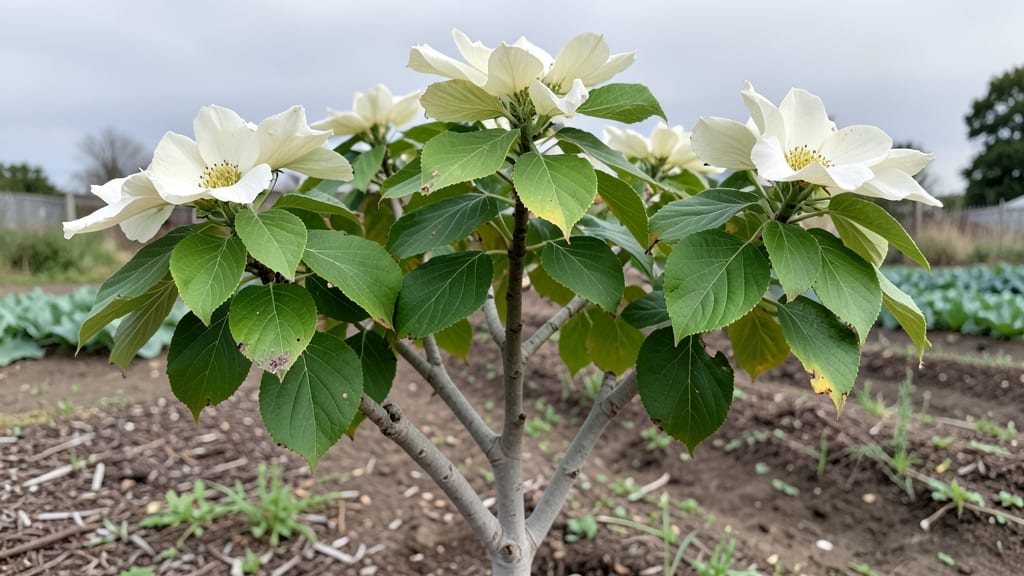
The Kousa dogwood tree flower 🌸 brings a showstopping burst of white star-shaped blooms to gardens—but only if you nail the growing conditions. I planted mine last spring and spent weeks watching it struggle until I realized it needed more shade than I’d given it.
That’s the thing about these trees: they’re finicky about sunlight, soil, and timing. Too much sun? The leaves scorch. Too little water? The flowers never open. But get it right, and you’ll have weeks of stunning blooms that attract pollinators and turn heads in your neighborhood.
If you’re in USDA Zone 6a (or similar), the best time to plant is between April and May, when the soil warms up but the summer heat hasn’t arrived yet.
I’ll walk you through the exact steps—from soil prep to pruning—to ensure your Kousa dogwood thrives and puts on the kind of floral display that makes spring unforgettable.
Ready to grow a tree that’s as easy to love as it is to care for? Let’s get started.
Kousa dogwood tree flower care: ideal growing conditions for maximum blooms
The Kousa dogwood (Cornus kousa) dazzles with its star-shaped pink flowers that appear in late spring, often lasting for weeks. Unlike its native cousin, this tree thrives in warmer climates and offers drought-tolerant beauty once established.
To unlock its full potential, you must pay close attention to its sunlight needs, soil composition, and watering habits—each plays a critical role in preventing issues like leaf scorch or poor flowering.
Native to Japan and China, the Kousa dogwood adapts beautifully to USDA zones 6-8, making it a favorite for Southern and Mid-Atlantic gardeners. My 10-year-old specimen in zone 7b blooms so prolifically that it attracts hummingbirds and butterflies within days of opening.
The key? Replicating its natural moist, well-drained forest floor environment in your garden.
Summary Table: Kousa Dogwood Tree Flower Care Requirements
| Growth Factor | Ideal Specification | Key Notes |
|---|---|---|
| Sunlight | Partial shade (4-6 hours) | Morning sun + afternoon shade prevents leaf scorch |
| Soil Type | Well-draining, slightly acidic | pH 5.0-6.5; amend clay with compost |
| Water Needs | 1-1.5 inches weekly | Deep watering every 5-7 days in summer |
| Mature Height | 15-25 feet | Plant 15-20 feet from structures for airflow |
| Flowering Time | Late April-May | Blooms on old wood—prune after flowering |
| Cold Hardiness | USDA Zones 6-8 | Mulch heavily in zone 6 winters |
Your Kousa dogwood's sunlight needs are its most critical factor for maximum blooms. While it tolerates full sun in cooler climates, afternoon shade is essential in zones 7-8 to prevent leaf scorch.
I’ve seen sunburned leaves on trees planted in west-facing locations—a clear sign of too much direct afternoon heat. For best results, position your tree where it receives morning sun and dappled shade in the afternoon.
The soil composition directly impacts your tree’s ability to absorb nutrients and water. Kousa dogwoods thrive in slightly acidic soil with a pH between 5.0 and 6.5. If your soil tests higher, amend it with peat moss or sulfur.
I once planted mine in alkaline soil (pH 7.2) and noticed yellowing leaves by mid-summer. A simple soil test kit ($10 at garden centers) saves you from costly mistakes.
Watering your Kousa dogwood requires a balanced approach. Newly planted trees need deep watering every 3-5 days to establish roots, while mature trees only require 1-1.5 inches weekly. The key is consistency—avoid letting the soil dry out completely, which stresses the tree and reduces flower production.
I use a soaker hose to deliver water slowly at the base of the tree, minimizing evaporation and fungal risks.
In hot, dry climates, your Kousa dogwood may show signs of stress like drooping leaves or premature leaf drop. This happens when roots can’t access enough moisture.
To combat this, I’ve found that mulching with 3-4 inches of organic mulch (like pine straw or shredded bark) retains soil moisture and regulates temperature. Just keep mulch 6 inches away from the trunk to prevent rot.
One common misconception about Kousa dogwoods is that they require constant fertilization. In reality, they’re light feeders that thrive with minimal intervention. Over-fertilizing leads to excessive foliage at the expense of flower production.
My rule of thumb: Apply a balanced 5-10-10 fertilizer in early spring (just as buds swell) and skip fertilization the rest of the year. For established trees, I’ve even skipped fertilizer entirely and still get abundant blooms.
Climate plays a surprising role in your Kousa dogwood’s flowering success. While it’s drought-tolerant once established, it performs best with moderate humidity. In arid regions, I’ve noticed trees produce fewer blooms unless I install a drip irrigation system during dry spells.
For cooler climates, ensure your tree gets adequate winter chill hours (300-60
Step-by-step guide to planting and pruning Kousa dogwood trees for best flowering
The Kousa dogwood tree (Cornus kousa) thrives when planted and pruned with care, especially if you want those iconic star-shaped flowers to appear in full force every spring. Unlike some dogwood varieties, this one blooms on old wood, so timing is everything.
Whether you're planting in the ground or a large container, following these steps will ensure your tree stays healthy and puts on a spectacular floral show year after year.
Before diving in, choose a well-draining location with partial shade to morning sun. Kousa dogwoods hate soggy roots, so raised beds or slopes are ideal if your yard tends to stay wet.
If you're using a container option, select a pot at least 3 feet wide with drainage holes—these trees can live in containers for years with proper care. Let’s break down the planting and pruning process step-by-step to maximize those stunning blooms.
Step-by-Step Planting & Pruning Guide
- 1
- 2
- 3
- 4
- 5
- 6
- 7
Once your Kousa dogwood is established (after 2-3 years), it becomes remarkably low-maintenance. The key to year-after-year blooms lies in minimal pruning and avoiding over-fertilization. If you notice fewer flowers than expected, check your pruning timing—cutting back too late in the season can reduce next year’s floral display.
For container-grown trees, divide and repot every 3-4 years to refresh the soil. Use a well-draining potting mix with perlite or sand to prevent root rot. Place containers in a spot with morning sun and afternoon shade, as direct afternoon sun can scorch the leaves in hot climates.
With these steps, your Kousa dogwood will reward you with weeks of star-shaped blooms and lush foliage that turns vibrant in fall. The secret? Patience and precision—this tree thrives when given space, proper care, and just the right amount of attention. 🌸