
Landscaping
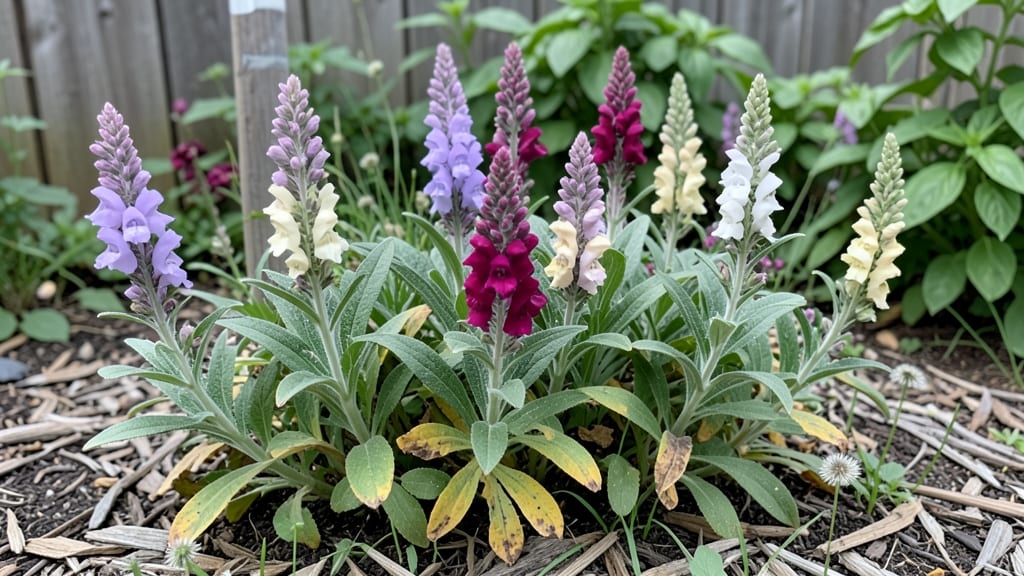
This landscaping snapdragon flower bed turns any yard into a living canvas of vertical color—designed to turn heads in spring, summer, and even winter with the right varieties and placement. year-round.
The secret lies in their height, texture, and the way they bloom in waves, creating drama that no flat garden ever could.
Start with a mix of tall snapdragons like ‘Black Knight’ for drama and shorter varieties like ‘Matrix’ for texture. Pair them with ornamental grasses or lavender for contrast, and you’ll get that cottage-garden charm without the clutter.
The key is spacing—give them 12 to 18 inches apart so they don’t crowd each other, and plant in clusters of three or five for a natural look. A raised bed or slightly sloped border lets their spikes shine even more.
By late summer, you’ll have a bed so lush it feels like a velvet curtain swaying in the breeze. Snapdragons thrive in full sun but tolerate partial shade, so they adapt to almost any spot.
Their colors—from deep burgundy to sunny yellow—will make your neighbors stop and stare, and the fragrance? Pure magic when you brush past the blooms. The best part? They self-seed, so your bed keeps getting fuller every year.
This design works in modern borders, rustic cottage gardens, or even urban containers. Whether you’re refreshing an old bed or starting fresh, snapdragons bring height, color, and personality to any space. Ready to make your garden unforgettable?
📚 In This Guide
- What you need
- Instructions
- Tips and common mistakes
- Wrapping up and next steps
What you need
- ● Snapdragon plants (Antirrhinum spp.) – Choose 10-15 plants per square foot for a lush bed. Opt for a mix of heights (12" to 36") and colors (red, pink, purple, yellow, or white) for drama. Pro tip: Pick varieties like 'Rocket,' 'Liberty,' or 'Monarch' for long-lasting blooms!
- ● Potting soil or garden soil – 2-3 cubic yards for a 4’x4’ bed (amend with compost for better drainage).
- ● Organic mulch – 2-3 inches of shredded bark or straw to retain moisture and suppress weeds.
- ● Slow-release fertilizer – 10-10-10 or a balanced organic option (follow package rates).
- ○ Peat moss or coconut coir – Optional, for improving soil structure in heavy clay.
- ● Garden trowel or spade – For digging and transplanting.
- ● Pruners or shears – Sharp, clean tools for trimming dead blooms or shaping plants.
- ● Garden gloves – To protect your hands from thorns or rough soil.
- ● Measuring tape or string – For marking out your flower bed layout.
- ● Watering can or hose with nozzle – A gentle spray setting works best for snapdragons.
- ○ Stakes or trellis (optional) – For vertical gardens; use 4-6 ft tall metal or wooden stakes.
- ○ Garden twine or floral wire (optional) – To secure climbing varieties to supports.
- ● Sunlight assessment – Snapdragons thrive in full sun (6+ hours/day). Test your spot for shade patterns before planting.
- ○ Soil test (optional but recommended) – Check pH (ideal: 6.0-7.0) and amend if needed. Pro tip: Snapdragons hate soggy roots—raise beds if drainage is poor!
- ○ Weed barrier fabric (optional) – Lay down landscape fabric under mulch to reduce weed competition.
- ● Planting schedule – Start seeds indoors 8-10 weeks before last frost or buy nursery starts in spring.
Step-by-step instructions for creating a stunning snapdragon flower bed
Here’s how I design snapdragon beds that bloom from early summer through fall—tall, colorful, and full of texture.
Choose the Perfect Location for Sun and Soil
Snapdragons thrive in full sun—at least 6 hours of direct sunlight daily. I always scout the site first: check for afternoon shade from trees or buildings, which can stunt growth. Avoid low spots where water pools after rain; snapdragons hate soggy roots. Test the soil by squeezing a handful—if it clumps tightly, you’ll need to improve drainage.
For the best results, amend the soil with 2-3 inches of compost before planting. Work it into the top 6 inches of soil to loosen the texture. Snapdragons prefer slightly acidic to neutral soil (pH 6.0-7.0), so if your soil tests higher, add sulfur or peat moss to adjust. A well-draining, fertile bed ensures strong stems and vibrant blooms.
Plan the Layout for Height and Color Drama
Snapdragons grow 12-36 inches tall, depending on the variety, so I always plant them in staggered rows or clusters to create vertical interest. Start with taller varieties (like ‘Black Prince’ or ‘Rocket Series’) at the back or center, then work toward shorter types (like ‘Matrix’ or ‘Tombstone’) in the front. Space plants 8-12 inches apart—closer spacing encourages bushier growth and more blooms.
For a year-round color show, mix cool-toned varieties (whites, blues, purples) with warm hues (reds, oranges, yellows). I like to add low-growing annuals like alyssum or sweet alyssum around the edges to fill gaps and attract pollinators. Sketch a rough layout first—it saves time when you’re knee-deep in soil and plants.
Plant Snapdragons for Strong, Healthy Growth
Dig holes twice as wide as the root ball but no deeper—planting too deep can suffocate stems. Gently remove seedlings from their containers and loosen tangled roots with your fingers. Place each plant in its hole, then backfill with soil, pressing lightly to eliminate air pockets. Water deeply right after planting to settle the soil and encourage root contact.
If you’re sowing seeds directly (for early spring or fall planting), scatter them ¼ inch deep in rows 12-18 inches apart. Keep the soil consistently moist until germination, which takes 7-14 days depending on temperature. Thin seedlings to 8-12 inches apart once they’re 2-3 inches tall, snipping weaker stems at the base with scissors—this prevents disturbing roots.
Water and Fertilize for Continuous Blooms
Snapdragons need 1 inch of water per week, but I water deeply 2-3 times per week instead of daily shallow watering. This encourages roots to grow downward, making plants more drought-resistant. Water at the base of the plant in the morning to reduce fungal risks. Avoid wetting foliage, especially in humid conditions—this prevents powdery mildew, a common snapdragon enemy.
Feed plants every 3-4 weeks with a balanced, water-soluble fertilizer (like 10-10-10) diluted to half strength. Stop fertilizing 6 weeks before the first frost to harden off plants for winter. Deadhead spent blooms regularly—pinch off faded flowers just above the next set of leaves to redirect energy into new growth. This keeps your bed looking fresh and encourages a second flush of blooms in late summer.
Maintain and Extend the Seasonal Display
Mulch the bed with 2-3 inches of organic mulch (like shredded bark or straw) after planting to retain moisture and suppress weeds. Replenish mulch as it breaks down. In late summer, if your snapdragons look tired, give them a light trim—cut back stems by one-third to encourage a fresh round of blooms before frost.
For a longer display, choose fall-blooming varieties like ‘Matrix’ or ‘Tombstone’, which tolerate cooler temperatures. In mild climates, snapdragons may even rebloom in spring if protected by a light frost cloth during winter. Rotate varieties yearly to prevent disease buildup in the soil—this keeps your flower bed vibrant and healthy season after season.
Tips & tricks for perfect snapdragon flower beds
A few key strategies will help you create a snapdragon display that stays vibrant and thrives throughout the season.
The Sunlight Secret: That 6 hours of daily sunlight is non-negotiable for snapdragons. I've learned the hard way that even partial shade can lead to leggy stems and fewer blooms. If your space only gets 4-5 hours of sun, consider planting sun-loving companions like marigolds or zinnias at the edges—they'll tolerate less light while still complementing your snapdragon colors.
Soil Prep Payoff: When amending with 2-3 inches of compost, don't just scatter it on top—work it into the top 6 inches of soil. This creates a loose, crumbly texture that snapdragon roots love. I like to add a handful of perlite to improve drainage if my soil naturally compacts. The goal is soil that holds moisture but never feels soggy when you squeeze it.
Layout Logic: The staggered planting pattern in Step 2 isn't just about looks—it's about airflow. When you place taller varieties at the back, you prevent them from shading shorter plants that need sunlight to bloom. I always sketch my layout on graph paper first, using different colored dots for each variety. This helps me visualize how colors will transition from front to back.
Watering Wisdom: Those 2-3 deep waterings per week might seem counterintuitive, but they're what build strong root systems. I set a rain gauge nearby to track exactly 1 inch of water per week. Watering in the morning gives foliage time to dry before evening humidity sets in, which is crucial for preventing powdery mildew—the snapdragon's arch-nemesis.
Pro Tips for Landscaping Snapdragon Flower Bed
- A few key strategies will help you create a snapdragon display that stays vibrant and thrives throughout the season.
- The Sunlight Secret: That 6 hours of daily sunlight is non-negotiable for snapdragons.
- Soil Prep Payoff: When amending with 2-3 inches of compost, don't just scatter it on top—work it into the top 6 inches of soil.
Frequently asked questions
Got questions about creating a stunning snapdragon flower bed? Here are some common inquiries to help you get started with confidence!
When’s the best time to plant snapdragons?
Snapdragons thrive when planted in early spring or late summer for a fall bloom. In warmer climates, they can handle winter planting too! Avoid extreme heat—aim for temperatures between 50°F and 75°F for optimal root establishment. Pro tip: If starting from seeds, begin indoors 8–10 weeks before your last frost date.
How much sunlight do snapdragons need for a vibrant flower bed?
These flowers love full sun to partial shade—at least 6 hours of direct sunlight daily for the most vivid blooms. Too much shade? You’ll get fewer flowers and leggier stems. In hotter regions, a bit of afternoon shade can prevent wilting. East-facing beds often work beautifully, balancing light and protection.
Can I mix snapdragons with other flowers in my garden?
Snapdragons pair perfectly with companions like:
- Salvia (for height and texture)
- Dianthus (for a similar cottage-garden charm)
- Ornamental grasses (to add movement)
- Roses or lavender (for fragrance contrast)
Why are my snapdragons not blooming?
If your snapdragons are leggy or blooming poorly, check these fixes:
- Light: Not enough sun? Move them to a sunnier spot.
- Fertilizer: Use a balanced, low-nitrogen fertilizer (like 10-10-10) every 4–6 weeks.
- Pruning: Pinch back leggy stems early to encourage branching.
- Water: Keep soil evenly moist but avoid soggy roots.
Are snapdragons deer-resistant?
Snapdragons are moderately deer-resistant but not deer-proof! While their bitter taste often deters browsing, hungry deer might still nibble. To boost protection:
- Plant near strong-smelling herbs like rosemary or thyme.
- Use deer repellent sprays (like hot pepper wax).
- Try physical barriers like fencing or netting.
Wrapping up and next steps
Creating a snapdragon flower bed is your ticket to a show-stopping garden that blooms with vertical drama and year-round charm! 🌸 With the right soil, spacing, and care, these vibrant flowers will transform any space into a living masterpiece.
Whether you’re a seasoned gardener or just starting, the key is patience—watch your hard work pay off as those spiky blooms reach for the sky.
Ready to take the next step? Start by sketching your design, gathering supplies, and planting those first seeds or seedlings. Before you know it, your snapdragon paradise will be the envy of the neighborhood—happy gardening! 🌿✨