
Shrubs
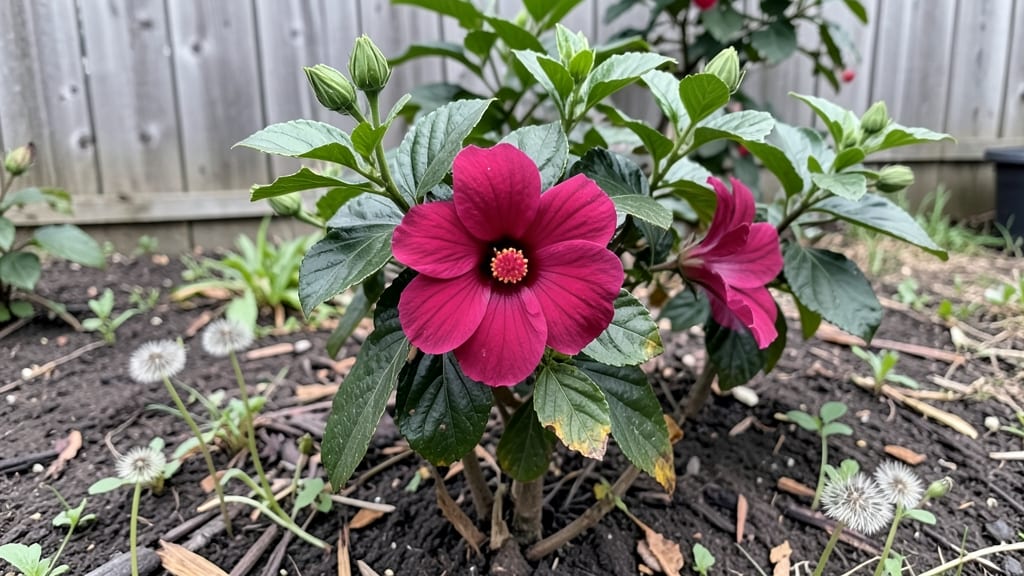
Growing a thriving large flowered hibiscus 🌸 means mastering the art of pruning—because those show-stopping blooms don’t just happen by accident.
If your large flowered hibiscus is struggling to produce those stunning, show-stopping blooms all summer long, the issue might be hiding in your pruning habits—not your soil or sunlight.
This isn’t just about snipping back dead branches; it’s about understanding when to cut, how to shape the plant, and even how to encourage new growth at the right time.
In this guide, I’ll walk you through the exact pruning techniques that’ll turn your hibiscus into a nonstop summer bloomer—no guesswork, just results.
When and how to prune large flowered hibiscus for maximum blooms
Pruning your large flowered hibiscus isn’t just about shaping its lush branches—it’s the key to unlocking nonstop summer blooms. The right cuts at the right time trigger new growth and bud formation, while wrong moves can leave you staring at bare stems.
Science shows that hormonal shifts in the plant’s wood happen after pruning, signaling it to produce more flowers. Let’s dive into the timing and techniques that’ll turn your hibiscus into a blooming powerhouse.
Timing is everything with large flowered hibiscus. Prune too early, and you’ll stunt growth; too late, and you’ll miss the peak blooming window. The best time to prune is late winter or early spring, just as new growth begins.
This aligns with the plant’s natural dormancy break and gives it time to recover before summer heat. For continuous blooms, also do light pruning after each flush of flowers fades to encourage new buds.
Now, let’s get practical. Your pruning tools matter just as much as your technique. Use sharp, clean pruners or bypass shears to make precise cuts without crushing stems. Avoid dull tools, which tear tissue and invite disease.
Always sterilize your blades with rubbing alcohol between cuts, especially if your hibiscus shows signs of leaf spot or powdery mildew.
Step-by-Step Pruning Guide for Large Flowered Hibiscus
- 1 Timing: Prune in late winter (Feb-March) or early spring (April) before new growth starts. Avoid pruning in fall or winter in colder zones (USDA 8+).
- 2 Tools: Use sharp bypass pruners or clean loppers. Sterilize with rubbing alcohol to prevent disease spread. Avoid dull tools that tear stems.
- 3 Cutting Angles: Make cuts at a 45-degree angle, ¼” above a leaf node or bud. This encourages outward growth and prevents water from pooling on cuts.
- 4 Remove Dead Wood: Cut out dead, diseased, or crossing branches first. These compete with healthy growth for energy and nutrients. Aim to remove 1/3 of the plant’s oldest wood to rejuvenate it.
- 5 Shape for Airflow: Thin out dense interior branches to improve air circulation and reduce humidity-related diseases. Leave 3-5 main branches for a balanced shape.
- 6 Post-Bloom Maintenance: After each flower flush, trim spent blooms back to the nearest leaf node. This tricks the plant into producing new buds for continuous blooming.
Your cutting angles play a surprising role in your hibiscus’s health. Always cut at a 45-degree angle, just above a leaf node or bud. This angle prevents water from sitting on the cut, which can rot the stem and invite fungal infections.
Additionally, cutting above a bud ensures new growth will sprout in the right direction—outward and upward—rather than inward, where branches can crowd and block sunlight.
Don’t forget to shape your hibiscus for airflow. Dense foliage traps moisture, creating the perfect conditions for powdery mildew and leaf spot. Thin out overlapping branches to let sunlight and air circulate freely.
Aim to leave 3-5 main branches as your hibiscus’s skeleton structure. This not only keeps your plant healthy but also makes future pruning easier.
For year-round blooms, adopt a maintenance pruning habit. After each major flush of flowers fades
Common pruning mistakes that kill hibiscus blooms (and how to fix them)
Your large flowered hibiscus might be sending up lush green leaves but refusing to bloom because of subtle pruning errors. Many gardeners accidentally stress their plants by cutting at the wrong time or removing too many growth points. The good news? Most pruning mistakes are reversible with the right techniques.
One of the biggest culprits is pruning in late fall or winter, which signals your hibiscus to enter dormancy early. This cuts off potential spring blooms before they even form.
Even worse, cutting into old wood (last year’s growth) can leave your plant with fewer flower buds for next season.
⚠️ Critical Pruning Danger Zone for Large Flowered Hibiscus
Never prune your large flowered hibiscus when it's dormant (winter) or during active flowering (summer). These plants bloom on new wood, so aggressive cuts in the wrong season can leave you with a leafy shrub but zero blooms. Always prune right after flowering (late spring/early summer) to encourage next year’s buds.
Visual Cue: If your hibiscus has bare branches with no buds, you’ve likely pruned too late or too aggressively.
Another common mistake is over-pruning—cutting back more than 30% of the plant at once. This shocks the hibiscus, forcing it to divert energy into regrowth instead of flower production.
Instead, aim for selective pruning, removing only spent blooms and dead branches to maintain shape and encourage new growth.
If your hibiscus looks top-heavy with blooms but no lower leaves, it’s a sign of under-pruning. This happens when gardeners avoid pruning entirely, letting the plant grow wild.
To fix this, thin out crowded branches in early spring, focusing on outward-facing buds to open up the center for better airflow and light penetration.
For recovery, feed your hibiscus with a balanced fertilizer (10-10-10) after pruning to support new growth. Water deeply once a week during dry spells, and place it in full sun (6+ hours daily) to maximize blooming potential.
With the right pruning timing, your hibiscus can rebound quickly and reward you with nonstop summer blooms.
Pro tip: Use sharp, clean pruners to avoid tearing branches, which can invite disease. Always sterilize tools with rubbing alcohol between cuts to prevent bacterial spread. Your hibiscus will thank you with vibrant, healthy blooms all season long!