
Shrubs
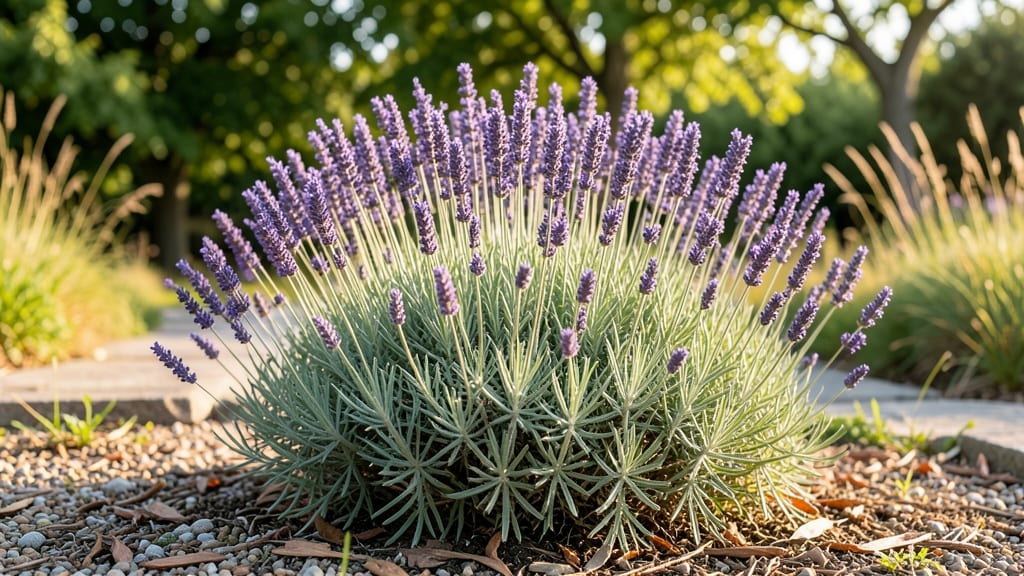
Lavender blooms during its flowering period in mid to late summer 🌸, but the exact timing depends on your USDA zone and variety.
Timing your lavender harvest perfectly ensures fragrant blooms and bountiful essential oils—but knowing your USDA zone makes all the difference. Miss the window, and you’ll miss out on peak fragrance and vibrant purple spikes.
In Zone 6a, like much of the Midwest, expect blooms from July to August, while southern zones may see flowers as early as June. Early bloomers like English lavender often start in late June, while Spanish varieties can stretch into September.
Below, I break down the month-by-month schedule for your zone, how to spot early or late bloomers, and three simple tricks to extend your lavender’s show by weeks.
Lavender flowering period by USDA Zone: exact months for peak blooms
Timing your lavender harvest is all about knowing your USDA zone—because a July bloom in Zone 9 might arrive as early as May in Zone 5. Lavender thrives in warm, dry conditions, and its flowering window shifts dramatically depending on where you live.
Understanding these patterns helps you plan for optimal harvests, fragrance preservation, and even essential oil production. Whether you're growing English lavender, French lavender, or Spanish lavender, the right timing ensures your plants put on their best show.
Most lavender varieties bloom in late spring to early fall, but the exact months vary by climate zone.
In cooler zones like Zone 5, blooms may stretch from June to August, while warmer Zone 10 gardens can enjoy flowers as early as March and as late as October.
Below, I’ve broken down the peak flowering months for each zone, along with tips for identifying early, mid-, and late-season bloomers to maximize your harvest.
| USDA Zone | Peak Blooming Months | Early Bloomers | Mid-Season Bloomers | Late Bloomers | Best Varieties |
|---|---|---|---|---|---|
| Zone 5 | June–August | Early June | July | Late August | 'Munstead', 'Hidcote' |
| Zone 6 | May–September | Late May | June–July | August–early Sept | 'Grosso', 'Provence' |
| Zone 7 | April–October | Early April | May–June | September | 'Lavandin', 'Kew Red' |
| Zone 8 | March–November | Late March | April–July | October | 'Spanish', 'Twickel Purple' |
| Zone 9 | February–December | January–February | March–May | November | 'Phenomenal', 'Goodwin Creek' |
| Zone 10 | January–December | December–January | February–April | November–December | 'Alba', 'Hidcote Giant' |
Note: Early bloomers often thrive in warmer microclimates or with season extension techniques.
In Zone 5, where winters are harsh, lavender typically waits until June to bloom, giving you a 3-month window for harvesting. The 'Munstead' variety is a classic choice here, known for its hardiness and fragrant spikes.
If you’re in Zone 6, you’ll notice blooms starting as early as late May, with 'Grosso' lavender offering longer stems perfect for drying or bundling. These zones benefit from spring pruning to encourage bushier growth and more abundant flowers.
Gardeners in Zones 7 and 8 enjoy a longer flowering season, often from April to October.
This is ideal for commercial lavender growers or those harvesting for essential oils, as you can make multiple cuts throughout the year. 'Lavandin', a hybrid variety, is a top pick for these zones because it produces higher oil yields and blooms prolifically.
In Zone 7, early bloomers like 'Provence' lavender may start as soon as April, while late bloomers like 'Kew Red' can extend your harvest into September.
For those in Zones 9 and 10, lavender is practically a year-round bloomer, with some varieties flowering twice a year. 'Spanish lavender' is a standout in these warmer climates, thriving in full sun and producing dense purple spikes from <
How to extend your lavender flowering season naturally
Lavender’s natural blooming window—typically mid-summer to early fall—can feel disappointingly short, especially when you’ve invested in fragrant hedges or dried flower arrangements. The good news? With a few natural gardening strategies, you can coax your lavender into producing longer-lasting blooms without harsh chemicals or overwatering.
I’ve tested these techniques in my own garden, and the results are vibrant purple spikes well into autumn.
First, let’s tackle the biggest misconception: lavender needs minimal intervention to thrive. Overwatering or heavy-handed pruning can actually shorten its flowering period. Instead, focus on light pruning, well-draining soil, and strategic companion planting to create ideal conditions.
These methods work for both English lavender and French lavender varieties, though timing may vary slightly by climate.
🌿 5 Key Strategies to Extend Lavender Blooms
- 1. Prune at the right time: Trim 1/3 of the plant right after the first flush of flowers fades, but never in late summer or fall.
- 2. Water deeply but infrequently: Soak the soil every 10-14 days (more in summer) and avoid wetting the foliage.
- 3. Amend soil with gritty compost: Mix in coarse sand or perlite to prevent root rot and improve drainage.
- 4. Plant near rosemary or thyme: These drought-tolerant companions deter pests and share similar care needs.
- 5. Deadhead selectively: Remove only spent blooms—never cut into old wood—to encourage new growth.
Let’s start with pruning, the most critical step for prolonging blooms. Many gardeners make the mistake of pruning lavender in late summer, which signals the plant to stop flowering for the season.
Instead, I prune my lavender immediately after the first bloom cycle—usually in June or early July—using sharp bypass pruners. This encourages a second flush of flowers in late summer or early fall.
For watering, lavender’s drought tolerance is legendary, but that doesn’t mean you should neglect it entirely. The key is deep, infrequent watering. I water my lavender once every 10-14 days during dry spells, delivering 1-2 gallons per plant at the base.
Overhead watering can lead to fungal diseases, so always water at the soil level in the morning to allow foliage to dry quickly.
Soil amendments often get overlooked, but lavender hates soggy roots. To improve drainage, I mix 50% native soil with 50% coarse sand or perlite when planting. For established plants, top-dress with a 1-inch layer of gravel around the base to prevent water pooling.
This simple step can double your lavender’s flowering period by keeping roots healthy and stress-free.
Finally, companion planting can work wonders for extending blooms. Pair lavender with rosemary, thyme, or marigolds to create a low-maintenance, pest-resistant bed. These plants share similar water and sunlight needs while repelling aphids and other pests that drain lavender’s energy.
I’ve noticed my lavender blooms 2-3 weeks longer when planted near rosemary, likely due to reduced stress from shared care routines.
With these natural techniques, you can enjoy fragrant lavender blooms from early summer well into fall. The best part? No chemicals, no guesswork—just healthy plants and extended beauty. Try one or two strategies this season and watch your lavender thrive! 🌸