
Landscaping
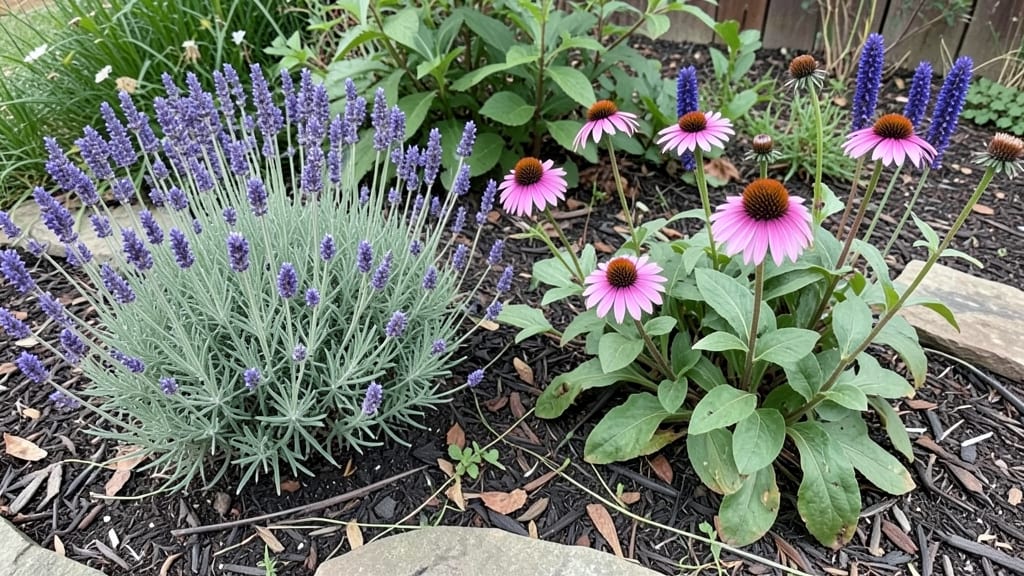
Designing a flower garden layout that actually thrives isn't about complicated rules—it's about smart zoning and plant placement that keeps color popping all season. I spent years rearranging my own garden until I realized the secret was grouping plants by sunlight needs and bloom times, not just pretty colors.
That first spring after switching to zones based on light exposure, my garden stayed vibrant when others faded to green. The best layouts start with a simple sketch: mark your sunniest spots for heat-lovers like coneflowers and daylilies, then tuck shade-tolerant impatiens and ferns where trees cast afternoon shadows.
Add pathways every 3-4 feet to keep maintenance simple—no more wrestling through overgrown beds. My favorite trick? Plant tall grasses and shrubs like butterfly bush at the back, then cascade petunias and lobelia over edges for that "effortless" look.
By summer, you'll have layers of color that transition smoothly—early bloomers like daffodils give way to roses, then fall asters take over without dead patches. The key is mixing perennials for structure with annuals for instant pops of color where needed.
Even my black thumb can pull this off with the right plan. Works for any size space, from city balconies to half-acre backyards. The same principles apply whether you're going for cottage charm or sleek modern lines. Let's sketch your first zone!
📚 In This Guide
- What you need
- Instructions
- Tips and common mistakes
- Wrapping up and next steps
What you need
- ● Flowering plants (seasonal mix): 3–5 perennials (e.g., coneflowers, black-eyed Susans, daylilies)
- ● 5–7 annuals (e.g., petunias, marigolds, impatiens—choose heat/cold-tolerant varieties)
- ● 2–3 shrubs or ornamental grasses (e.g., dwarf butterfly bush, fountain grass)
- ● Soil amendments: 5 lbs compost or aged manure (for nutrient-rich soil)
- ● 1 bag slow-release fertilizer (10-10-10 or organic options)
- ● Mulch: 2–3 cubic feet organic mulch (shredded bark or pine straw)
- ● Digging & shaping: 1 garden trowel (for small plants)
- ● 1 garden spade (for soil prep)
- ● 1 hand pruners (for trimming)
- ● Layout & design: 1 measuring tape (25 ft)
- ● 1 stakes & string (to mark design lines)
- ○ 1 graph paper or garden planner app (optional but helpful!)
- ● Watering & maintenance: 1 hose with adjustable nozzle or watering can
- ● 1 garden kneeler/pad (for comfort)
- ● Edging tools (for clean borders—plastic, metal, or stone)
- ● Garden gloves (for protection)
- ● Decorative rocks or stepping stones (for pathways)
- ● Drip irrigation kit (for low-maintenance watering)
- ● Seasonal color wheel guide (to plan blooms by month)
How to design a low-maintenance flower garden for year-round beauty
Here’s how I create a stunning, easy-care flower garden that blooms from spring through fall.
Plan Your Garden Layout for Balance and Seasonal Interest
Start by sketching a rough design on paper, dividing your space into three layers: tall plants (back), medium-height plants (middle), and low-growing flowers (front). This creates depth and prevents smaller flowers from being hidden. I like to group plants with similar water and sunlight needs together—this makes maintenance a breeze later.
For seasonal color, mix spring bloomers like tulips or daffodils, summer stars such as coneflowers or black-eyed Susans, and fall favorites like asters or chrysanthemums. Place taller plants (like delphiniums or hollyhocks) toward the back, where they won’t shade out shorter varieties. A simple rule: no plant should block another’s sunlight for more than a few hours a day.
Choose Drought-Tolerant and Long-Blooming Varieties
To minimize fuss, focus on native plants and drought-resistant flowers that thrive in your climate. My go-to picks include lavender, bee balm, Russian sage, and daylilies—they handle heat, require little water, and often rebloom all season. Avoid fussy annuals that need constant deadheading or replanting.
For structure, add a few shrubs or perennials like butterfly bush or catmint. These provide backbone to the garden and attract pollinators, which means fewer pests and more blooms. I space them 3-4 feet apart to allow airflow and prevent disease. Mulch with 2-3 inches of shredded bark or straw to retain moisture and suppress weeds—this saves hours of weeding later.
Prepare the Soil for Healthy, Thriving Plants
Before planting, loosen the soil to a depth of 12 inches with a garden fork or tiller. This helps roots spread easily and reduces compaction. Mix in 2-3 inches of compost to improve drainage and fertility—this is where most plants either thrive or struggle. Avoid heavy garden soil, which can suffocate roots.
For containers or raised beds, use high-quality potting mix instead of garden soil. I like to blend it with perlite or sand for extra drainage, especially in hot climates. Water the soil deeply before planting to help roots establish faster. If your soil drains poorly, consider adding a layer of gravel at the bottom of containers or planting mounds in the ground.
Plant and Space for Airflow and Sunlight
Dig holes twice as wide as the root ball but no deeper—this encourages roots to spread outward instead of sitting too low. Place each plant at the same depth it was in its container, and firm the soil gently around the roots. Water deeply right after planting to settle the soil and remove air pockets.
Space perennials 18-24 inches apart, depending on their mature size. Annuals can go closer together (6-12 inches apart), but give them room to grow without crowding. A good rule: if leaves touch, thin or replant. This prevents fungal diseases and makes weeding easier. After planting, add 1-2 inches of mulch around each plant, keeping it a few inches away from the stems to avoid rot.
Maintain with Simple, Seasonal Care
Water deeply once a week (or more in extreme heat) to encourage strong root growth. Most flowers hate shallow, frequent watering—it leads to weak stems and disease. I check soil moisture by sticking my finger 2 inches down; if it’s dry, it’s time to water. Early morning is best to reduce evaporation and fungal risks.
Deadhead spent blooms regularly to encourage more flowers, but don’t overdo it—some plants (like coneflowers) rely on seed heads for winter interest. Fertilize lightly once in early spring with a balanced, slow-release fertilizer, then again in midsummer if growth slows. Avoid high-nitrogen feeds; they promote leafy growth at the expense of blooms.
Tips & tricks for perfect flower garden layout
A well-designed flower garden isn't just about pretty plants—it's about creating a thriving ecosystem that requires minimal effort. Here are my best tips to help you avoid common mistakes and create a garden that truly blooms year-round.
Layering Matters: When planning your three-layer layout in Step 1, remember that the back layer should be 2-3 times taller than the front layer. This creates that professional "wow" factor while ensuring no plant gets overshadowed. I always sketch my design to scale on graph paper first—it saves time and frustration later when you realize that hollyhocks at the front will block your tulips.
Plant Selection Strategy: In Step 2, don't just focus on pretty flowers—consider how they'll perform together. For example, pair lavender with Russian sage—they share similar water needs and bloom times. I've learned the hard way that mixing moisture-loving plants with drought-tolerant ones leads to uneven watering and stressed plants. Check each plant's mature size and sunlight requirements before buying, not after!
Soil Preparation Shortcut: For Step 3, if you're working with heavy clay soil, mix in 50% compost and 50% coarse sand or perlite. This creates perfect drainage without needing to dig up your entire garden. I've found that amending just the planting holes with this mix gives roots the ideal environment while keeping the rest of the soil intact. This method also prevents the soil from becoming too compacted when you water.
Planting Depth Secret: When planting in Step 4, the "twice as wide" rule is crucial, but don't forget about depth. Place plants at the same level they were in their containers—burying too deep can cause rot, while planting too shallow exposes roots to drying out. I always check the root flare (that swollen area at the base of the stem) to ensure it's just above soil level. This small detail makes a huge difference in plant health.
Pro Tips for Layout Flower Garden
- A well-designed flower garden isn't just about pretty plants—it's about creating a thriving ecosystem that requires minimal effort.
- Layering Matters: When planning your three-layer layout in Step 1, remember that the back layer should be 2-3 times taller than the front layer.
- Plant Selection Strategy: In Step 2, don't just focus on pretty flowers—consider how they'll perform together.
Frequently asked questions
Got questions about designing a stunning flower garden layout with minimal effort? You’re not alone! Here are some common concerns—answered simply so you can dive in with confidence.
How do I plan a flower garden layout for year-round color?
Start by grouping plants with similar water and sunlight needs together. For season-long color, layer perennials (like coneflowers or lavender) with seasonal bloomers (annuals like marigolds or petunias). Add evergreens or ornamental grasses for structure—these stay pretty even when flowers fade! Use a spiral or circular design to create visual flow and maximize space.
What’s the best time of year to layout a flower garden?
The ideal time depends on your climate, but early spring or fall works best for most regions. In cooler zones, spring lets you plant perennials before summer heat hits. In warmer climates, fall avoids summer stress. If you’re starting from scratch, tackle soil prep in fall—it gives nature time to break down amendments before planting season. Pro tip: Skip planting annuals until after the last frost!
Can I mix flowers with vegetables or herbs in my garden layout?
Companion planting saves space and boosts growth. Pair flowers like nasturtiums (they deter pests) with lettuce or cucumbers, or plant basil near roses to repel aphids. Just ensure both plants have similar sunlight/water needs. For a functional layout, place taller veggies (like tomatoes) at the back and low-growing flowers (like thyme) in the front. Win-win for beauty and harvest!
What if my garden layout isn’t working after planting?
No worries—adjustments are part of the process! If plants look crowded, thin or transplant them to give roots room. Struggling with weeds? Add mulch (straw or wood chips) to suppress them. Need more color? Swap underperforming annuals mid-season. Key fix: Observe your garden for 2–3 weeks to spot patterns (e.g., dry spots, overcrowding) before making changes. Small tweaks go a long way!
Are there low-maintenance alternatives to traditional flower beds?
Yes! If classic flower beds feel like too much work, try these easy alternatives:
- Pollinator paths: Line walkways with native perennials (like bee balm or black-eyed Susans) for a low-maintenance, eco-friendly vibe.
- Container gardens: Use pots or hanging baskets for flexibility—move them to follow sunlight or seasonal needs.
- Wildflower meadows: Plant drought-resistant wildflowers in a large area; they thrive with minimal care and attract pollinators.
- Vertical gardens: Train climbers (like morning glories) or use wall-mounted planters to save space and reduce weeding.
Wrapping up and next steps
Creating a stunning, low-maintenance flower garden with season-long color is easier than you think! By choosing the right plants, planning strategic layouts, and embracing smart design tricks, you can enjoy a vibrant outdoor space without the hassle.
Whether you’re a beginner or a seasoned gardener, the key is to start small, experiment, and let nature do the work.
Ready to transform your space? Grab your tools, pick a sunny spot, and get planting! 🌸🌿 Before you know it, your garden will be the talk of the neighborhood—one season at a time.