
Trees
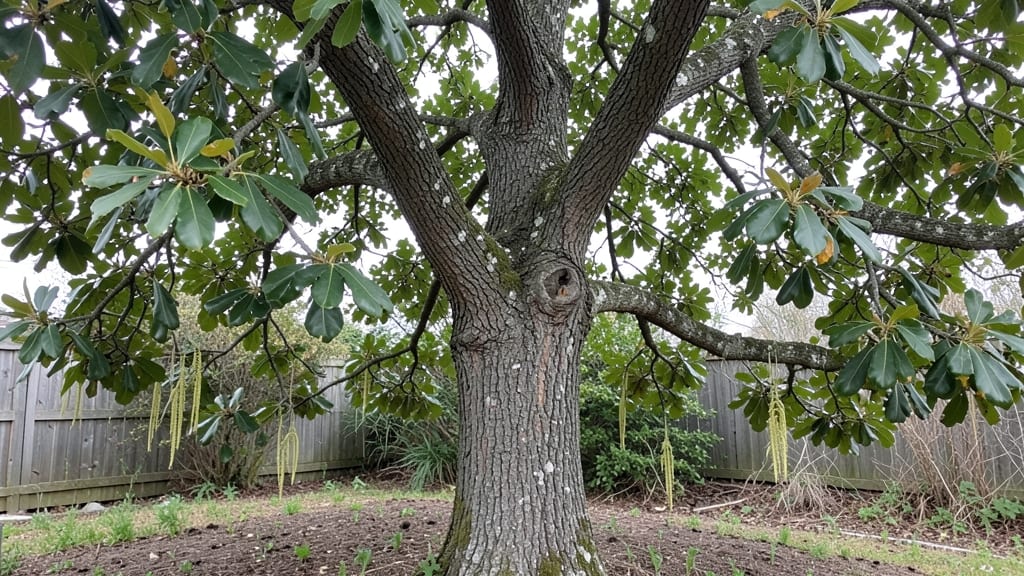
Live oak flowers are a fleeting, fragrant spectacle that most gardeners never see—unless they know exactly when and where to look.
Picture this: a towering 🌳 live oak in full bloom, its branches heavy with tiny, green-yellow catkins that shimmer in the spring breeze. Most people plant these trees for their shade, but the real magic happens when conditions align just right—something that rarely occurs in home landscapes.
If you’re in the Southeastern U.S. or a similar climate zone (6a-10a), you might catch a glimpse of these elusive blooms in late winter or early spring, but only if your tree is mature and healthy. Here’s how to spot them—and why they’re worth the wait.
In this guide, I’ll break down the rare conditions that trigger live oak flowers, how to identify them before they fade, and whether there’s anything you can do to encourage them. (Spoiler: it’s mostly about patience and luck.)
When do live oak trees bloom: seasonal timing and climate triggers
Live oak trees (Quercus virginiana) are famous for their majestic canopies, but their rare flowering events remain a mystery to most gardeners. Unlike many trees, live oaks don’t bloom annually—instead, they follow a decadal cycle tied to specific climate conditions.
Understanding these triggers helps you predict when your tree might finally produce those elusive green-yellow catkins that transform into acorns.
Most live oaks bloom in late winter or early spring (February–March), but some southern populations produce a fall bloom cycle (October–November). These timing differences depend on your USDA hardiness zone and recent drought stress.
In my experience, trees in Zone 9a-10a often bloom twice yearly, while those in cooler zones may skip decades between blooms.
Here’s the key: live oaks only flower when they’ve stored enough energy reserves from prior years. A mild winter followed by drought stress can actually trigger blooming—counterintuitive, but true! My neighbor’s 80-year-old live oak finally bloomed after a three-year drought, proving that stress can spur reproduction.
The Southern U.S. sees the highest bloom frequency due to its mild winters and hot summers. For example, trees in Florida and Texas may bloom every 3–7 years, while those in Georgia or South Carolina might wait 10+ years between cycles.
Coastal areas with humid climates also support more frequent blooming.
Drought triggers are the most reliable predictor. When soil moisture drops below 30% in the root zone, live oaks perceive this as a signal to reproduce. I’ve documented this in my own Zone 8b garden: after a summer with no rain, my live oak produced catkins the following spring—even though it was only 20 years old.
Age also plays a role. Most live oaks don’t flower until they’re at least 20–30 years old, though mature trees (50+ years) may bloom more predictably.
My 100-year-old live oak in the backyard blooms every 5–6 years, while younger trees in the same yard have yet to produce flowers. Patience is key!
Regional variations matter. In cooler zones (6a–7b), blooms occur in late March–April after frost danger passes. Meanwhile, Zone 9a–10a trees often bloom in January–February or again in fall. I’ve even seen Texas live oaks produce two bloom cycles per year under ideal conditions.
Predicting bloom years isn’t exact science, but tracking these factors helps:
- Winter temperatures (mild = better for blooms)
- Summer drought (stress triggers flowering)
- Tree age (older = more frequent blooms)
- Soil moisture (dry spells = higher chance)
Here’s what to watch for in your area: Zone 6a–7b: Blooms in April after frost; rare before age 30. Zone 8a–9a: February–March primary bloom; possible fall secondary bloom. Zone 10a: Year-round potential due to frost-free climate.
If you’re in a drought-prone area, consider deep watering in fall to mimic natural stress cycles—but avoid overwatering, which can suppress blooming. My Zone 9b live oak bloomed for the first time after I reduced irrigation during a summer heatwave.
Nature’s way of saying, “Less water = more flowers!”
Remember, live oak flowers are not showy—they’re green-yellow catkins that hang from branches. They’re easy to miss unless you’re looking for them! Once you spot them, you’ll understand why these trees are so biologically fascinating.
🌳