
Landscaping
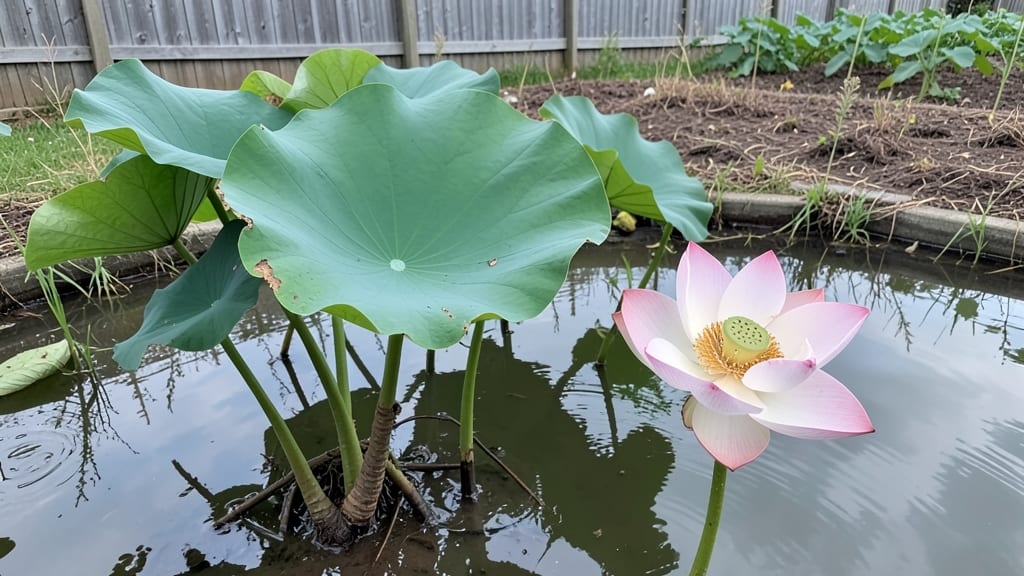
Transforming your garden with a lotus flower design creates a breathtaking focal point that feels like stepping into a tranquil sanctuary. 🌿 I’ve designed lotus gardens that turn ordinary ponds into living works of art—where the deep pink blooms rise above the water like nature’s own stained glass.
The key isn’t just planting them; it’s curating the entire scene around their majestic presence.
You’ll need a sunny, sheltered spot with at least 3 feet of water depth—lotuses thrive in still ponds, not rushing streams. Pair them with water lilies for texture contrast or irises along the edges for a layered look.
The right placement turns your garden into a serene escape, where every bloom feels like a brushstroke in a masterpiece.
By summer, your lotus will reward you with vibrant blooms that last for weeks, their petals unfurling each morning like a promise of renewal. The scent alone—sweet and earthy—will draw you closer to the water’s edge. This isn’t just a garden feature; it’s a daily meditation in bloom.
Perfect for zen gardens, tropical escapes, or even modern landscapes with clean lines. The lotus adapts beautifully to different styles, as long as you give it the space and light it craves. Let’s make your garden unforgettable—one bloom at a time.
📚 In This Guide
- What you need
- Instructions
- Tips and common mistakes
- Wrapping up and next steps
What you need
- ● Lotus Plants: 1–3 Nelumbo nucifera (hardy lotus) or Nelumbo lutea (yellow lotus) tubers or rooted plants (depending on pond size)
- ○ Optional: Dwarf varieties (e.g., ‘Mini Star’) for smaller ponds
- ● Pond Setup: Pond liner (EPDM rubber or PVC, 20–30 mil thickness)
- ● Underlayment fabric (to prevent punctures)
- ● Pond edges (preformed or flexible rubber)
- ● Pebbles or landscape fabric (for pond base, 2–3 inches deep)
- ● Water & Filtration: Water source (hose, well, or rainwater collection)
- ● Solar-powered or battery-operated pond pump (200–500 GPH, depending on size)
- ○ Pond filter (biological or UV clarifier, optional but recommended)
- ● Soil & Planting Supplies: Potting soil or aquatic planting mix (1–2 bags)
- ● Garden trowel or pond planting basket
- ● Floating plant mats or coconut coir (for tuber support)
- ● Pond skimmer net (for debris removal)
- ● Barley straw (natural algae inhibitor)
- ● Floating solar lights or LED pond lights (for ambiance)
- ● Water plants (e.g., water lilies, water hyacinths) to complement lotuses
- ● Pond thermometer (to monitor water temperature for tropical lotuses)
Step-by-step guide to designing a lotus flower garden
Transform your pond into a tranquil escape with these proven steps.
🪴 Step 1: Select and Prepare the Perfect Water Feature
Lotus flowers thrive in still or gently flowing water, so choose a pond at least 2 feet deep—their rhizomes need space to spread. I always start with a preformed liner or a sturdy plastic pond kit to prevent leaks. The edges should slope gradually to protect delicate roots when blooms emerge. Here's the thing—if your pond has fish, opt for a separate lotus section with a divider to avoid root competition.
Place the pond where it receives full sun for at least 6 hours daily. Morning sun is ideal to prevent wilting in afternoon heat. Test the water depth with a ruler—18-24 inches is perfect for hardy lotus varieties. If your pond is shallower, add a waterproof container with drainage holes to create a deeper planting zone for the rhizomes.
🌱 Step 2: Plant Rhizomes at the Right Depth and Spacing
Plant lotus rhizomes in late spring after the last frost, when water temperatures reach 65°F or warmer. Use the 1 packet of lotus rhizomes you’ve selected, spacing them 12-18 inches apart in the pond’s deepest section. I like to plant them horizontally, about 6 inches below the water’s surface, with the "eyes" (growth points) facing upward. This ensures they’ll anchor properly and send up strong stems.
Don’t bury them too deep—8-12 inches maximum. If planted too shallow, they’ll float to the surface and rot. Press the surrounding soil gently to secure them, then add 1-2 inches of aquarium gravel around each rhizome to weigh them down. Watch for the first shoots in 4-6 weeks—they’ll emerge as slender green tubes breaking the surface.
☀️ Step 3: Maintain Water Quality for Healthy Blooms
Lotus flowers are heavy feeders, so add 1 cup of aquatic plant fertilizer to the pond water every 4-6 weeks during the growing season. I sprinkle it around the edges where the rhizomes are planted, then let the water circulate naturally. Avoid over-fertilizing—yellowing leaves mean you’ve overdone it. Clear water is key, so remove any debris that accumulates on the surface.
Keep the water level consistent—evaporation can drop levels too quickly, exposing rhizomes. Top off with dechlorinated water (let tap water sit for 24 hours or use a water conditioner) to prevent chemical burns. If your pond has a filter, position it to create gentle currents—lotus flowers dislike strong water movement, which can damage their delicate blooms.
✂️ Step 4: Prune and Divide for Continuous Blooms
After the first blooms fade, trim spent stems back to 2 inches above the waterline to encourage new growth. I always use clean, sharp pruners to avoid tearing the stems. This prevents energy from going into seed production and redirects it toward next season’s flowers. Real talk—if you skip pruning, you’ll get fewer but larger blooms, but they’ll arrive later in the season.
Divide mature rhizomes every 3-4 years to keep blooms vigorous. Lift them in early spring before new shoots appear, then separate sections with at least 3-4 growth eyes per division. Replant the strongest divisions in fresh soil, spacing them 18-24 inches apart. You’ll notice new blooms emerge 2-3 weeks earlier the following year—proof that division works.
🌿 Step 5: Extend the Season with Mulch and Protection
In fall, add a 1-inch layer of aquatic-safe mulch (like 1 bag of pond-safe mulch) around the rhizomes to insulate them through winter. This prevents temperature fluctuations that can shock the roots. I also cover the pond with floating pond plants like water lilies to create a natural blanket—it traps heat and reduces ice damage in cold climates.
If you live in a Zone 5 or colder, consider moving container-grown lotus rhizomes indoors to a cool, dark basement during winter. Keep the soil barely moist and resume outdoor planting in late spring. You’ll see blooms return 1-2 weeks earlier the next season because the rhizomes weren’t stressed by freezing temperatures.
Tips & tricks for perfect lotus flower garden design
Creating a thriving lotus garden takes patience and attention to detail—here are the secrets that'll make all the difference in your floating beauty.
Sunlight Strategy: That 6 hours of full sun daily is non-negotiable, but morning sun is your best friend. I've seen lotus blooms wilt dramatically when planted in only afternoon sun—morning light gives them time to hydrate before the heat peaks. If your pond gets intense afternoon rays, consider adding some partial shade from nearby trees to protect those delicate petals.
Temperature Timing: Waiting until water reaches 65°F before planting is crucial, but don't rush—cold water can shock the rhizomes. I test water temperature with my finger: if it feels comfortably warm (like a hot bath), it's ready. Pro tip: Plant on a slightly overcast day when temperatures are stable—this gives your rhizomes the best chance to establish without stress.
Rhizome Placement: The 6-inch depth for planting might seem tricky to judge, but here's my trick: Use a ruler or measuring tape to mark your pond at 6 inches from the surface. Then, press the rhizomes gently into the soil at that level—you'll know you're at the right depth when the top of the rhizome is just below your marked line. This ensures proper anchoring without burying too deep.
Fertilizer Frequency: That 4-6 week feeding schedule might seem like a lot, but lotus flowers are heavy feeders. I set a calendar reminder for every 5 weeks to keep track. The key is consistency—skipping feedings can result in pale leaves and fewer blooms. When you do fertilize, sprinkle it around the edges where the roots are most active, then let the water circulate naturally to distribute the nutrients evenly.
Pro Tips for Lotus Flower In Garden
- Creating a thriving lotus garden takes patience and attention to detail—here are the secrets that'll make all the difference in your floating beauty.
- Sunlight Strategy: That 6 hours of full sun daily is non-negotiable, but morning sun is your best friend.
- Temperature Timing: Waiting until water reaches 65°F before planting is crucial, but don't rush—cold water can shock the rhizomes.
Frequently asked questions
Got questions about growing a stunning lotus flower in garden? Here are some common queries—and easy answers—to help you create your own floating paradise!
How do I choose the right lotus variety for my garden pond?
Start by checking your climate! Hardy lotuses (like Nelumbo nucifera) thrive in zones 4–11, while tropical varieties need warmer zones (9–11). Consider flower size—dwarf types (12–18 inches) work for small ponds, while giant lotuses (up to 3 feet!) need big spaces. Color matters too: pinks and reds bloom earlier, while whites and yellows often last longer.
When is the best time to plant lotus seeds or tubers?
For seeds: Soak them in warm water for 2–3 days, then plant in spring (after last frost) in shallow, nutrient-rich soil. Tubers should go in early spring (when water temps hit 60°F/15°C) or late summer (before frost). Avoid planting in freezing temps—lotuses hate cold! Pro tip: Use a pond thermometer to track water warmth.
Can I grow lotus flowers in a container instead of a pond?
Use a large, waterproof container (at least 18 inches deep) with drainage holes. Fill it with pond soil or clay and submerge the tubers 2–3 inches below water. Place the container in full sun (6+ hours daily) and ensure it’s stable—lotuses grow heavy! Bonus: Containers are great for renters or small spaces.
Why aren’t my lotus leaves or flowers growing?
Troubleshoot with this quick checklist:
- Sunlight: Needs 6–8 hours daily. If leaves are small or yellow, move the plant.
- Water depth: Tubers need 12–24 inches of water. Too shallow? Add a pond liner.
- Nutrients: Use slow-release pond fertilizer in spring. Over-fertilizing? Rinse leaves gently.
- Pests: Watch for snails or aphids. Spray with neem oil if needed.
How do I prevent lotus flowers from sinking or collapsing?
Floating blooms can droop due to overcrowding or weak stems. Try these fixes:
- Trim old leaves in early spring to encourage new growth.
- Use a support stake (like a bamboo pole) to prop up heavy flowers.
- Rotate the plant every few weeks to ensure even sunlight.
- Avoid heavy rain: If storms knock them over, gently realign stems.
Wrapping up and next steps
Transforming your garden into a serene lotus sanctuary is more than just a landscaping project—it’s a journey toward tranquility and natural beauty. 🌸 From selecting the right Nelumbo species to creating the perfect pond ecosystem, every step brings you closer to a breathtaking, low-maintenance oasis.
Whether you’re a seasoned gardener or a beginner, the key is patience and passion.
Ready to dive in? Start small—sketch your pond design, gather your materials, and take that first step toward floating serenity. Your garden (and future self) will thank you! 🌿 What’s one lotus feature you can’t wait to add?