
Trees
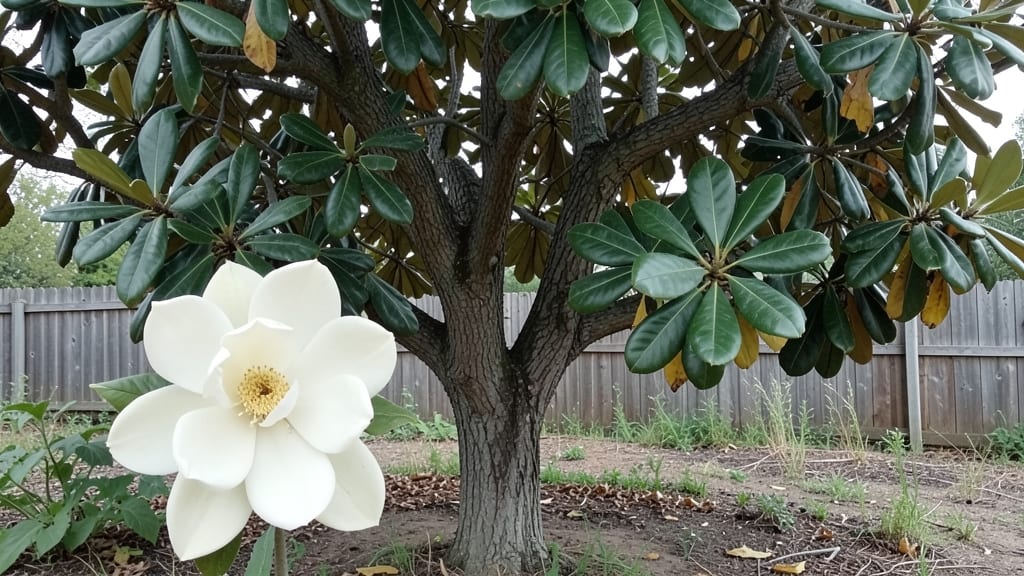
Growing a magnolia flower plant 🌸 means welcoming a fragrant, showstopping centerpiece to your landscape—but only if you avoid the pruning mistakes that stifle blooms.
Magnolias are the showstoppers of spring gardens, but without the right timing and technique, their legendary blooms can become a rare sight. I’ve seen healthy trees with no flowers because of a single pruning error, and I’ll show you how to avoid it.
This isn’t just about trimming branches—it’s about understanding when to cut, how much to remove, and which tools to use for your specific magnolia variety. From early spring to late winter, I’ll walk you through the exact steps to keep your magnolia thriving and blooming year after year.
Ready to unlock the secrets to lush, abundant flowers? Let’s get started with the pruning schedule that works for Zone 6a gardens and beyond.
When and how to prune magnolia trees for maximum blooms
Magnolias bloom on old wood, meaning their flowers form on last year’s growth—not new shoots. This makes pruning timing critical to avoid losing those stunning spring blooms. The wrong cut at the wrong time can leave your tree with bare branches and fewer flowers.
But don’t worry: with the right approach, you can boost bloom production while keeping your magnolia healthy and vibrant.
Pruning isn’t just about shaping your tree—it’s about encouraging flower buds to form. Most gardeners make the mistake of pruning at the wrong season or cutting too aggressively, which can reduce next year’s blooms by up to 50%.
The key is to prune lightly and at the right times to maintain a balance between flower production and tree health.
🌸 Seasonal Magnolia Pruning Guide
-
🌱 Early Spring (March - April)
Best time for light pruning after blooms fade.
- Remove dead or diseased branches first.
- Trim crossing or rubbing branches to prevent damage.
- Avoid heavy cuts—stick to 10-15% of the canopy max.
-
☀️ Summer (June - August)
Focus on maintenance pruning to shape the tree.
- Prune only to improve airflow or remove water sprouts.
- Never cut flower buds—they form on old wood.
- Use sterilized tools to prevent bacterial infections.
-
🍂 Fall (September - October)
Light pruning to prepare for winter.
- Remove weak or damaged branches before frost.
- Avoid heavy pruning—buds form in late fall.
- Apply mulch to protect roots from cold.
-
❄️ Winter (November - February)
No pruning—tree is dormant.
- Wait until late winter (just before buds swell).
- Plan next year’s pruning while tree is bare.
- Check for disease signs like cankers or oozing sap.
Pro Tip: Always prune on a dry, cloudy day to reduce stress on the tree.
Spring is the golden window for magnolia pruning because it allows the tree to recover quickly before summer heat. I always start by removing any dead wood or branches that are rubbing against each other, as these can block sunlight and reduce flowering.
Use clean, sharp tools to make smooth cuts just outside the branch collar—the swollen area where the branch meets the trunk.
In summer, limit pruning to essential maintenance only. This is when magnolias form next year’s flower buds, so avoid heavy cuts. If you notice water sprouts (fast-growing, vertical shoots), trim them back to encourage bushier growth and more blooms.
Always sanitize your pruners between cuts to prevent disease spread, especially if your tree has pests or fungal issues.
Fall pruning should be minimal—just enough to clean up debris and remove any weak branches that could break in winter storms. Avoid heavy pruning in fall, as it can stimulate new growth that won’t harden off before freezing temperatures.
Instead, focus on mulching the base of the tree to protect roots and retain moisture.
Winter is pruning season zero for magnolias. The tree is dormant, and cutting now can wake it up too early, leaving it vulnerable to late frosts. Use this time to plan your spring pruning by studying the tree’s structure.
Look for dead branches or crossing limbs that you’ll address in early spring. If you must prune in winter, do so only in late winter (just before buds swell) and keep cuts minimal.
One of the biggest mistakes I see gardeners make is pruning after a magnolia blooms. This removes the current year’s flower buds, which form on old wood. Always wait until after the blooms fade before pruning.
Another common error is over-pruning, which can stress the tree and reduce next year’s blooms. Stick to light cuts—never remove more than 25% of the canopy in a single season.
To encourage more blooms, focus on improving air circulation within the canopy. Thin out dense areas to allow sunlight to reach inner branches, where many flower buds form. If your magnolia isn’t blooming well, check for shade issues—these trees need at least 3-6 hours of sunlight daily.
In hot climates, afternoon shade helps protect blooms from scorching.
Finally, always sterilize your tools with rubbing alcohol or a 10% bleach solution before and after pruning. Magnolias are susceptible to bacterial infections like canker disease, which can kill branches and reduce flowering.
By following this seasonal pruning schedule, your magnolia will thrive and bloom beautifully for years to come. 🌿
Magnolia pruning mistakes that kill flowers (and how to fix them)
Your magnolia flower plant might look healthy, but if it’s not blooming like it should, pruning mistakes could be the culprit. Overzealous cuts or wrong timing can starve your tree of next year’s flowers.
The key is understanding how magnolias set buds—often on old wood—so you don’t accidentally remove potential blooms.
Even experienced gardeners sometimes make costly errors. For example, cutting back flowering branches after buds form or pruning in late winter when the tree is dormant. These actions can reduce—or even eliminate—your tree’s spring display. Let’s fix these mistakes before your magnolia becomes a leafy shadow of its former self.
⚠️ WARNING: These Pruning Mistakes Kill Magnolia Blooms
Cutting old wood (where most buds form) or pruning after flowering season (April–June) can eliminate next year’s blooms. If you’ve already made these errors, don’t panic—your magnolia can recover with the right approach.
Action Step: Wait until late summer or early fall to prune damaged branches. This gives your tree time to heal before winter.
One of the most common mistakes is over-pruning to shape the tree. Magnolias are slow to recover, and aggressive cuts can trigger excessive leaf growth at the expense of flowers. Focus on removing only dead, diseased, or crossing branches—never more than 25% of the canopy in a single session.
Timing is everything. Prune your magnolia flower plant in late summer (August–September) to avoid disturbing next year’s buds. If you must prune in winter, do it after the first frost but before bud break (typically February). This gives the tree time to prepare for spring growth without stress.
If your magnolia has bare branches or sparse blooms, it might be suffering from root damage or nutrient deficiency. Before pruning, check the soil pH (5.0–6.5 is ideal) and amend with compost or organic matter. A healthy root system supports more robust flowering.
For recovery, prioritize light pruning to remove only dead or weak wood. Avoid heavy cuts that could stress the tree further. Apply a balanced fertilizer (10-10-10) in early spring to encourage new growth and bud formation. Mulch around the base to retain moisture and protect roots.
With patience and the right techniques, your magnolia flower plant can bounce back. Even if this year’s blooms are sparse, proper care will restore its glory next spring. Start with small adjustments, and watch as your tree reclaims its place as the garden’s star.