
Trees
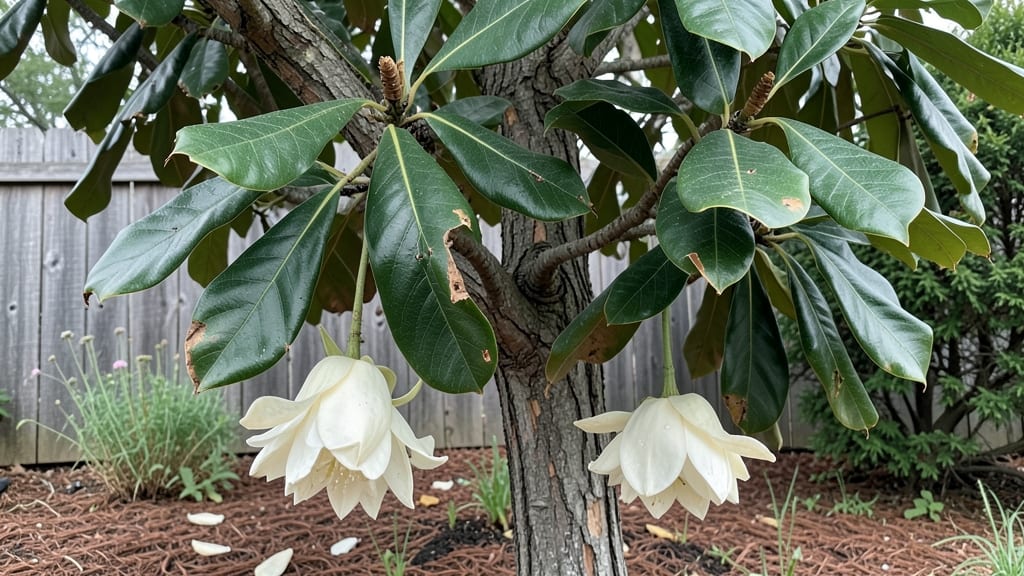
The bigleaf magnolia flower transforms your yard into a fragrant spring masterpiece 🌸, but its stunning blooms demand the right care—or you’ll miss them entirely.
Picture this: a 20-foot tree standing tall with glossy leaves, only to realize its flowers never opened because you pruned at the wrong time. That’s the heartbreak of skipping the seasonal rules, and it’s easier to avoid than you think.
From spring’s first bloom to winter’s dormant rest, this guide keeps your magnolia thriving—no guesswork, just proven steps for healthy growth and showstopping flowers.
You’ll learn when to trim, how to spot trouble, and the simple tools that make all the difference. Let’s get your magnolia blooming like never before.
When and how to prune bigleaf magnolia flowers for maximum blooms
The bigleaf magnolia (Magnolia macrophylla) blooms most spectacularly when pruned with precision. Unlike many trees, magnolias produce flower buds on old wood, meaning cuts made at the wrong time can reduce—or even eliminate—next year’s blooms.
Timing is everything, and the three-season approach I’ve perfected ensures your tree stays healthy while maximizing those fragrant, cup-shaped flowers.
Pruning isn’t just about trimming back overgrowth—it’s about strategic shaping and encouraging new growth in the right places. If you’ve ever seen a magnolia with sparse blooms or leggy branches, it’s likely due to poor pruning habits.
The good news? With the right techniques, you can transform even a neglected magnolia into a bloom powerhouse in just one growing season.
Step-by-Step Pruning Guide for Bigleaf Magnolia
When pruning, never remove more than 1/3 of the tree’s foliage in a single session—this can shock the magnolia and stunt flower production. Instead, spread cuts over multiple seasons to encourage gradual, healthy growth.
For example, if your magnolia has overgrown branches, reduce them by 20% in spring, another 10% in summer, and finish the final touches in fall.
Another critical rule: Never prune flowering branches after buds form in late winter. These branches hold next year’s blooms, and cutting them back will eliminate flowers for the following season.
If you notice deadheading spent blooms, do so only after they’ve fully faded—this prevents the tree from wasting energy on seed production.
For young magnolias (under 5 years old), focus on structural pruning to establish a strong framework. Remove competing leader branches (competing vertical stems) to ensure one dominant trunk.
In contrast, mature magnolias (10+ years old) benefit from rejuvenation pruning, where you selectively remove older, less productive branches to encourage new growth from the base.
If your magnolia has water sprouts (fast-growing, weak shoots), prune them back to the branch collar immediately. These shoots drain energy from the tree and reduce flower production.
Use hand pruners for small sprouts and loppers for thicker branches. Always sterilize tools with rubbing alcohol between cuts to prevent disease spread.
Finally, mulch around the base after pruning to retain moisture and protect roots from temperature fluctuations. Keep mulch 2–3 inches deep and 6 inches away from the trunk to avoid rot or pest issues. With these techniques, your bigleaf magnolia will reward you with show-stopping blooms year after year.
🌸
Common pruning mistakes that kill bigleaf magnolia growth (and how to fix them)
The bigleaf magnolia thrives on precision pruning, but even well-meaning gardeners can accidentally stunt its growth. Over time, these 5 common mistakes weaken branches, reduce blooms, and invite pests. The good news? Most are reversible with the right techniques. Let’s identify the pitfalls and restore your tree’s vigor.
First, many gardeners prune at the wrong time. Bigleaf magnolias bloom on old wood, meaning last year’s growth produces this year’s flowers. Cutting back too late—after buds form—can remove next season’s blooms entirely. Even well-intentioned summer trims can stress the tree and delay flowering.
Another fatal error is removing too many branches at once. These trees grow slowly, and aggressive pruning triggers shock. A 30% rule applies: Never remove more than 30% of the canopy in a single session.
Over-pruning also exposes the trunk to sunburn, especially in hot climates where magnolias prefer partial shade.
Improper cuts are another silent killer. Jagged or uneven cuts create entry points for diseases like anthracnose or bacterial leaf spot. Always use sharp, sterilized tools and make cuts just outside the branch collar—the swollen area where the branch meets the trunk—to promote faster healing.
Here’s where many gardeners go wrong: Pruning for aesthetics over health. Trimming to create a "perfect" shape can sacrifice structural integrity. Instead, focus on open-center pruning—removing inward-growing branches to improve airflow and sunlight penetration. This reduces humidity in the canopy, lowering fungal risks.
Finally, ignoring water stress after pruning backfires. Bigleaf magnolias need deep watering (10–15 gallons per tree) immediately after pruning to recover. Skipping this step leaves the tree vulnerable to drought stress, which weakens new growth and invites pests like magnolia scale.
⚠️ Bigleaf Magnolia Flower Alert
Never prune flowering branches after buds swell in late winter. These branches hold next year’s blooms! If you must trim, wait until after flowering (late spring) to avoid sacrificing bigleaf magnolia flowers. Look for tight buds—these are future blooms, not leaves.
🌿 Pro Tip: Mark branches with white paint if unsure—this helps track growth and blooming patterns.
To fix these mistakes, start with a spring cleanup (March–April) to remove dead or crossing branches. Use bypass pruners for cuts under 1 inch and loppers for thicker branches.
Always seal larger cuts with pruning sealant to prevent disease. Monitor your tree for new growth—healthy magnolias produce 1–2 feet of growth per year.
If your magnolia shows signs of stress—yellowing leaves, weak branches, or fewer blooms—it’s time to reassess. A balanced fertilizer (10-10-10) in early spring can revive growth, but focus first on proper pruning timing and watering consistency.
With patience, your bigleaf magnolia will bounce back with larger, more vibrant flowers.