
Pruning
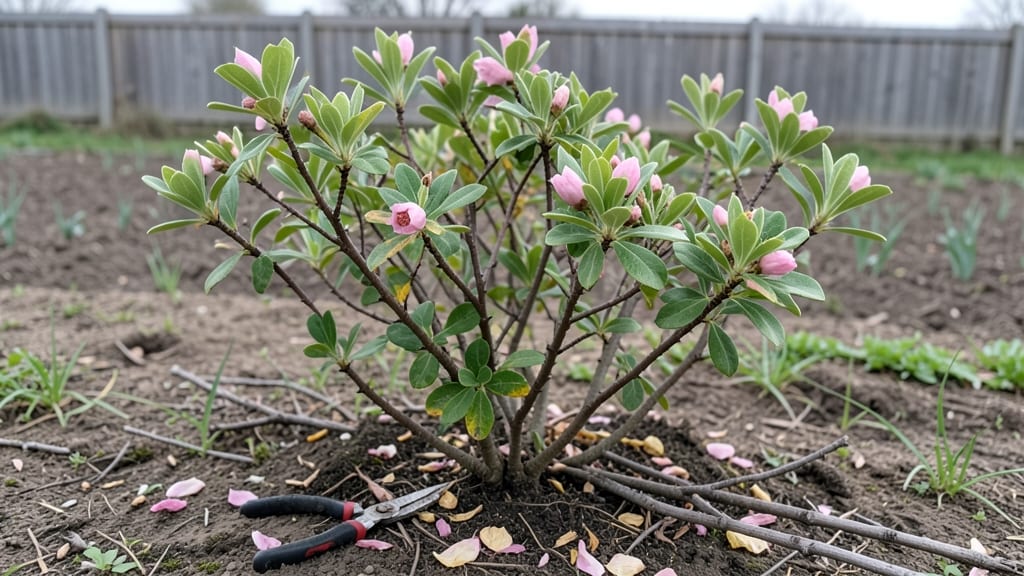
Pruning flowering quince transforms your shrub from a tangled mess into a year-round blooming powerhouse—if you do it right. I’ve watched mine go from sparse winter branches to a riot of spring flowers just by following a few key cuts.
The secret isn’t aggressive pruning but strategic thinning that lets light reach every branch.
You’ll need sharp pruners, a clean cutting surface, and about 30 minutes on a crisp morning. Start by removing dead or crossing branches first—they’re the easiest to spot and make the biggest difference.
Then, shape the shrub by cutting back about a third of the oldest stems to encourage fresh growth from the base.
With proper timing, you’ll see vibrant pink or red blooms from late winter through spring, and even some fruit if you’re lucky. The key is pruning right after flowering, when new growth begins to sprout. Too late, and you risk cutting off next year’s buds.
Young plants need less drastic cuts, while mature shrubs can handle a little more shaping. Avoid over-pruning—this shrub is tough but not invincible. A well-pruned quince will reward you for years with bold, fragrant flowers and sturdy structure. Let’s get those branches in shape!
📚 In This Guide
- What you need
- Instructions
- Tips and common mistakes
- Wrapping up and next steps
What you need
- ● Pruning shears (bypass or anvil type) – Sharp, clean blades (preferably bypass for cleaner cuts). Choose a size that fits your hand comfortably.
- ● Loppers (for thicker branches) – 8-10 inch blades, with a ratcheting or bypass design for branches up to 2 inches thick.
- ● Pruning saw (for large branches) – A curved-tooth saw for clean cuts on stems over 2 inches in diameter.
- ○ Hand pruners (for fine-tuning) – Small, precision shears for delicate trimming (optional but handy for detail work).
- ● Disinfectant (70% isopropyl alcohol or pruning sealant) – To sterilize tools between cuts and prevent disease spread.
- ● Garden gloves – Heavy-duty, cut-resistant gloves to protect your hands from thorns and rough branches.
- ○ Marking twine or flags (optional but helpful) – To tag branches for removal or special attention.
- ● Pruning sealant – For larger cuts to prevent sap loss or pest entry (use sparingly on flowering quince).
- ● Ladder or step stool – If your quince is tall or branches are high up.
- ● Garden twine or zip ties – To temporarily support branches if needed during or after pruning.
- ● Notebook or camera – To sketch or photograph your quince’s structure before pruning for reference.
- ● Compost bin or bag – For collecting pruned branches (great for mulch or compost!).
Step-by-step instructions for pruning flowering quince
Here's how to keep your flowering quince thriving with clean, confident cuts.
Time Your Pruning for Maximum Blooms
Flowering quince blooms on old wood, meaning last year's growth produces this year's flowers. Prune immediately after flowering, when new growth begins—usually late spring to early summer. If you prune in fall or winter, you risk removing next year's flower buds. Watch for fresh green shoots emerging from the base of branches; that's your cue to act.
I always wait until after the last frost when the plant has finished flowering but before the new growth gets too vigorous. This timing ensures you don't accidentally cut off potential blooms while still controlling the shape. If you miss this window, the next best time is late summer, but avoid heavy pruning then—just do light shaping to maintain airflow.
Gather Tools and Prepare the Workspace
Use sharp, clean pruning shears (not loppers—quince branches are thick and brittle) and a disinfectant (like rubbing alcohol) to wipe blades between cuts. I keep a small spray bottle of disinfectant nearby to prevent spreading disease between branches. Wear gloves—quince thorns are vicious, and the sap can irritate skin.
Clear the area around your quince of debris and lay down a drop cloth to collect fallen branches. This keeps your workspace organized and makes cleanup easier. I also like to have a bucket of water nearby to rinse tools if sap gets sticky. Work on a dry day when the plant isn't stressed by heat or drought—this helps it recover faster.
Remove Dead, Diseased, or Crossing Branches First
Start by identifying dead wood—branches that are brown, brittle, or have no leaves. These won't regrow and only take energy from the plant. Next, look for diseased branches (yellowing leaves, black spots, or oozing sap) and crossing branches that rub together. Cut these out first, making clean cuts at a 45-degree angle, about ¼ inch above a outward-facing bud or lateral branch.
Don't worry about "ruining" the shape yet—this step is about health, not aesthetics. If a branch is too thick for your shears, use a pruning saw instead. I always step back after removing these to see the plant's natural structure. This helps me plan where to make the next cuts for balance and airflow.
Thin and Shape for Airflow and Light
Now focus on thinning—removing 15-20% of the plant's oldest wood to encourage new growth and better flowering. Start at the outer edges and work inward, cutting back branches to just above a bud that faces outward. This opens up the center of the plant, allowing sunlight and air to reach all branches. Avoid "heading back" (cutting into old wood)—quince responds poorly to this.
Shape the plant into a rounded, vase-like form by gradually reducing branch length as you move upward. You'll see the plant's natural growth pattern emerge—follow it rather than forcing a rigid shape. If a branch grows too close to the ground, remove it entirely. This prevents disease and makes future pruning easier.
Clean Up and Monitor Recovery
After pruning, sterilize your tools again and dispose of all clippings in a sealed bag (don't compost them—they can harbor disease). Water the plant deeply to help it recover, especially if you've made heavy cuts. I like to add a layer of mulch around the base to retain moisture and protect roots. Avoid fertilizing immediately—let the plant focus on healing for 4-6 weeks before feeding.
Watch for new growth in 2-3 weeks. Healthy shoots should be green, firm, and upright. If you see slow recovery or yellowing leaves, reduce watering slightly—overwatering can stress a freshly pruned plant. This is also a great time to label your quince if you have multiple varieties, since pruning can make identification tricky.
Tips & tricks for perfect flowering quince pruning
These key insights will help you prune your flowering quince like a seasoned gardener while avoiding common pitfalls that can stress your plant.
The Timing Factor: Pay close attention to the late spring to early summer window after flowering—this is when your quince is most resilient. I've learned the hard way that pruning too early can remove next year's flower buds, while waiting too long risks encouraging overly vigorous new growth that may not bloom well. If you miss this window, opt for light shaping in late summer rather than heavy pruning, which can disrupt the plant's energy balance.
Tool Technique: Always use sharp pruning shears for clean cuts—dull blades crush stems and create jagged edges that invite disease. I keep a small bottle of rubbing alcohol handy to sterilize my tools between cuts, especially when dealing with diseased branches. For branches thicker than your shears can handle, switch to a pruning saw—never use loppers, as they can damage the brittle quince wood. Remember, a clean cut heals faster and looks more professional.
Visual Pruning Guide: When thinning branches in Step 4, aim to create an open center that resembles a rounded vase. Imagine looking at the plant from above—you should see sunlight able to reach the center branches. A good rule of thumb is to remove branches that grow too close to the ground or cross over others, as these create rubbing points that lead to wounds. This open structure prevents disease and encourages better flowering in subsequent years.
Recovery Strategy: After pruning, give your quince a deep watering to help it recover, but avoid fertilizing immediately. The plant needs about 4-6 weeks to heal before putting energy into new growth. I've found that adding a 2-3 inch layer of mulch around the base helps retain moisture and protects roots from temperature fluctuations. Watch for new growth in 2-3 weeks—healthy shoots should be firm and upright, not leggy or yellowing.
Pro Tips for Prune Flowering Quince
- These key insights will help you prune your flowering quince like a seasoned gardener while avoiding common pitfalls that can stress your plant.
- The Timing Factor: Pay close attention to the late spring to early summer window after flowering—this is when your quince is most resilient.
- Tool Technique: Always use sharp pruning shears for clean cuts—dull blades crush stems and create jagged edges that invite disease.
Frequently asked questions
Got questions about pruning your flowering quince? You’re not alone! Here are answers to some of the most common queries—straight from the garden to your inbox.
When’s the best time to prune flowering quince?
Prune your flowering quince right after it blooms—usually in early summer (June or July). This timing ensures you don’t remove next year’s buds, which form on new growth. Avoid pruning in late fall or winter, as this can stress the plant before dormancy. If you must trim for shape, stick to light adjustments in late winter (before buds swell) but avoid heavy cuts.
How do I know if I’m pruning too much?
Over-pruning can leave your quince looking scraggly and weak. A good rule of thumb: never remove more than 1/3 of the plant’s foliage in one season. Look for these signs you’ve gone overboard:
- Exposed bare branches with no leaves or buds
- Wilting or yellowing leaves after pruning
- No new growth by mid-summer
Can I prune flowering quince in fall or winter?
Fall and winter pruning is risky for flowering quince because it blooms on old wood (wood from the previous year). Cutting now can remove next spring’s flowers! If you must prune for deadwood removal, do it lightly in late winter (before buds break) or wait until immediately after blooming in summer. For heavy pruning, stick to summer to avoid sacrificing next year’s show.
What if my quince isn’t blooming at all?
Is pruning the issue?
Not blooming? Pruning might not be the culprit—here’s what to check first:
- Age: Young quince (under 3 years) may need time to establish. Give it patience!
- Sunlight: Quince needs full sun (6+ hours/day). If it’s in shade, move it or supplement with grow lights.
- Fertilizer: Over-fertilizing with nitrogen promotes leaves over flowers. Use a balanced fertilizer (10-10-10) in early spring.
- Pruning mistakes: If you pruned in fall/winter, you may have cut next year’s buds. Try summer pruning next year.
Are there alternatives to traditional pruning?
If you’re hesitant about pruning, try these low-stress alternatives to encourage blooms and shape:
- Guiding growth: Tie long branches to trellises or stakes to direct growth without cutting.
- Thinning from below: Remove only the lowest, weakest branches to improve air circulation and sunlight penetration.
- Deadwood removal only: Focus on cutting out dead, diseased, or crossing branches—no heavy shaping.
- Shear lightly: Use hand shears to hint at shape (like rounding edges) instead of aggressive cuts.
Wrapping up and next steps
Pruning your flowering quince doesn’t just keep your plant healthy—it unlocks a spectacular display of year-round blooms! With the right tools, timing, and techniques, you’ll transform a once-overlooked shrub into a fragrant, vibrant centerpiece.
Whether you’re trimming for shape, health, or more flowers, the key is patience and consistency. 🌸
Ready to see the difference? Grab your pruners, mark your calendar, and start small—even a little effort now will reward you with stunning blossoms for seasons to come. Happy pruning! ✂️💚