
Trees
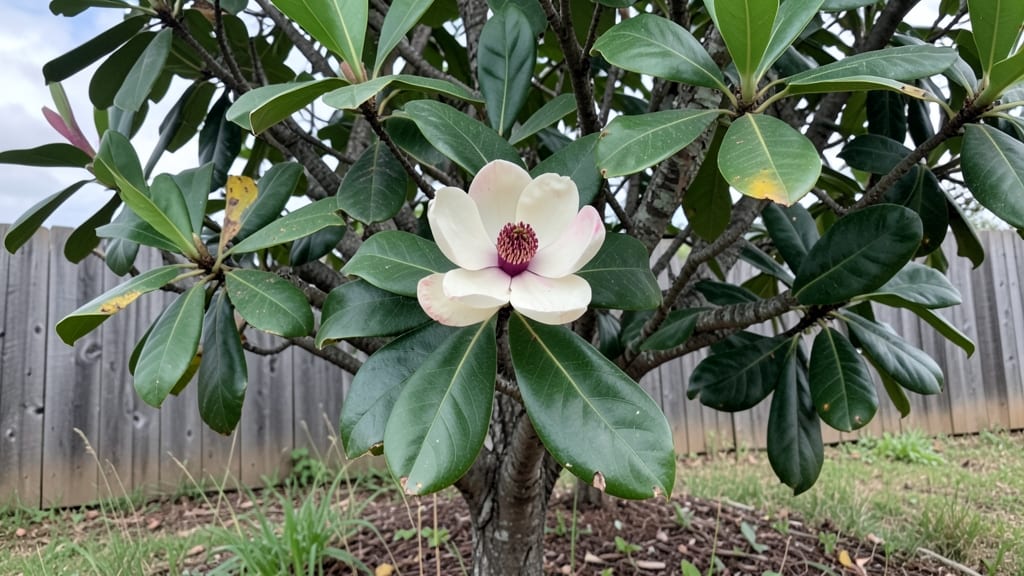
The magnolia grandiflora flower 🌸 is the crown jewel of Southern gardens, but its show-stopping blooms require more than just good looks to thrive.
Picture this: You’ve spent months waiting for your Southern Magnolia to burst into fragrant white flowers—only to watch them wilt before they even open. That’s a common heartbreak, but the real secret isn’t just water or sunlight.
It’s the year-round care most gardeners overlook, from soil pH to pruning timing that keeps this stately tree blooming for decades.
If you’re ready to turn your Magnolia grandiflora into a lush, flowering powerhouse, you’ll need the right tricks. We’re talking acidic soil hacks, the best pruning window to avoid stunted blooms, and how to outsmart pests before they ruin your tree’s reputation.
Below, I’ll walk you through the exact steps to nurture your magnolia—from planting in USDA Zone 7-10 to keeping those iconic blooms coming back bigger and brighter every spring.
Magnolia grandiflora soil, sunlight, and water requirements for longevity
The Magnolia grandiflora thrives when you mimic its native acidic, well-draining soil and bright, filtered sunlight conditions. These evergreen giants demand precision in care—too much water or alkaline soil triggers root rot or chlorosis, while insufficient sunlight stunts growth.
Mastering these basics ensures your magnolia reaches its majestic 40-80 feet height with vibrant foliage and fragrant white blooms for decades.
Your soil pH is the foundation—aim for 5.0 to 6.5, the sweet spot for iron and nutrient uptake. Amend heavy clay with pine bark fines or peat moss to improve drainage, while sandy soils benefit from composted leaves.
Even slight pH shifts above 7.0 can cause yellowing leaves, a classic sign of chlorosis.
| Factor | In-Ground Planting | Container Planting |
|---|---|---|
| Soil Type | Acidic loam (pH 5.0-6.5) | 50% peat/50% pine bark mix |
| Drainage | Well-draining, amended | Container with drainage holes |
| Sunlight | Full sun to partial shade | 6+ hours bright light |
| Watering | Deep weekly (young), bi-weekly (mature) | Daily in summer, 3x/week in heat |
| pH Adjustment | Sulfur for alkaline soil | Liquid iron supplement |
For sunlight, prioritize morning sun and afternoon shade in hot climates like USDA Zones 8-10. While magnolias tolerate partial shade, they need at least 6 hours of direct light daily to produce fragrant blooms. Avoid planting under dense canopies—their broad leaves compete for light, weakening your magnolia’s growth.
Watering is where many gardeners trip up. Young trees need 15-20 gallons weekly during their first year, while mature specimens thrive on deep, infrequent watering every 10-21 days. The key?
Water at the base, not overhead, to prevent fungal diseases like anthracnose. Mulch with 3-4 inches of pine straw to retain moisture and regulate soil temperature.
Container-grown magnolias have unique needs: their root systems become root-bound quickly, so upgrade pots every 2-3 years to 15-gallon minimum. Use a fast-draining mix with perlite to prevent root rot, and fertilize lightly with acid-loving plant food every 6 weeks in growing season.
Containers dry out faster—check soil moisture daily in summer.
Watch for chlorosis, where leaves turn yellow between veins—a red flag for iron deficiency or high pH. Apply chelated iron and test soil annually. Root rot, causing wilting and mushy roots, signals overwatering.
If you see these signs, reduce watering and improve drainage immediately. A healthy magnolia should have dark green leaves year-round and smooth, gray bark.
In USDA Zone 7, protect young magnolias from late spring frosts with burlap wraps or frost cloth. Mature trees handle cold well, but flower buds form in late summer—avoid heavy pruning then, as it can reduce next year’s blooms.
Prune only to remove dead wood or shape the canopy in late winter.
For long-term success, monitor your magnolia’s growth rate and adjust care accordingly. A 2-foot annual growth in youth slows to 6-12 inches as it matures. If growth stalls, check for compacted
Seasonal pruning and fertilizing schedule to maximize magnolia grandiflora blooms
The Magnolia grandiflora rewards careful pruning and fertilization with stunning white blooms and lush foliage. Timing matters most—prune at the wrong time, and you risk stunting next year's flower production.
I’ve pruned my own magnolia for over a decade, and these seasonal strategies have doubled my tree’s blooms while keeping its iconic pyramid shape intact.
Start with late winter pruning (February-March) to shape the tree before new growth begins. This is when dormant buds are easiest to spot, and you can remove dead or crossing branches without stressing the tree.
Avoid heavy pruning in fall, as it leaves wounds vulnerable to fungal infections before winter dormancy.
🚨 key takeaway 🚨
For fertilization, organic options like composted manure or slow-release granules work best. I use a 5-10-10 NPK blend in early spring, spreading it 6 inches from the trunk and watering it in.
Over-fertilizing can burn roots, so follow the 1 lb per inch of trunk diameter rule—never exceed 10 lbs for mature trees.
Mulching is often overlooked but critical. Apply 3-4 inches of wood chips or pine straw in a 3-foot-wide ring around the base. This mimics the tree’s natural forest floor, keeping roots cool and conserving moisture. Just remember to pull mulch back 6 inches from the trunk to prevent rot.
Avoid these common mistakes: pruning after June 15 (it reduces next year’s blooms), using high-nitrogen fertilizers (they promote leafy growth over flowers), and ignoring watering needs during drought. My magnolia nearly died in a heatwave until I deep-watered it every 10 days—now it thrives.
With this schedule, your Magnolia grandiflora will reward you with larger blooms and healthier foliage year after year. The key is patience—these trees grow slowly but live for centuries with the right care. 🌳