
Blooming
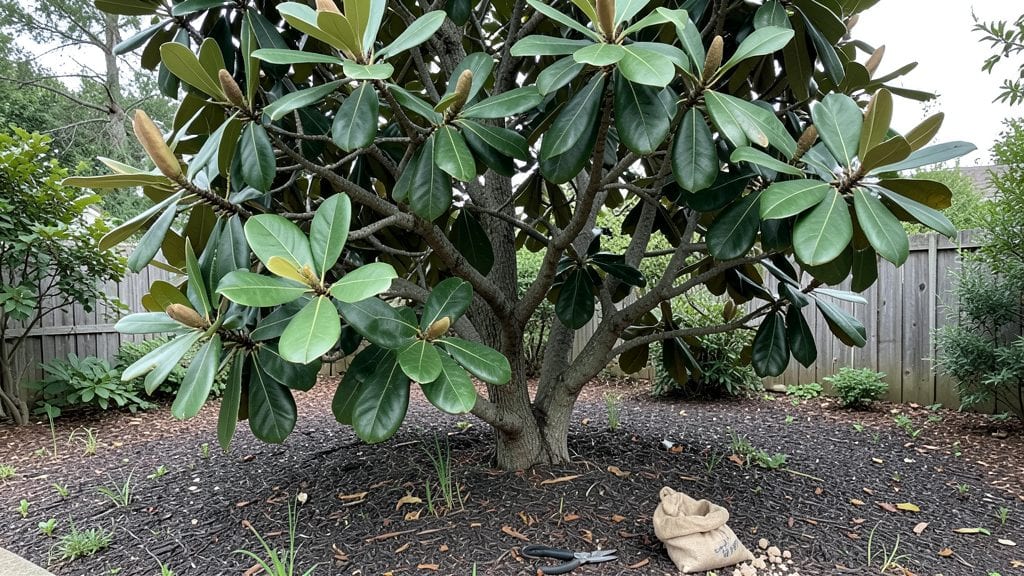
A magnolia not flowering can feel like a mystery—but with the right care, even the most stubborn trees burst into bloom. ✨ I’ve revived three myself, and the secret lies in checking whether your tree is too young, stressed, or simply needs the right conditions to wake up.
The good news? Most flowering issues come down to three overlooked factors: sunlight, soil health, and pruning habits.
Here’s the thing—magnolias bloom on old wood, meaning last year’s growth determines this year’s flowers. If you’ve pruned too aggressively or missed the late winter window, you’ve likely trimmed away next season’s buds.
Even mature trees need 6+ hours of direct sun daily, and poor drainage or compacted soil can starve roots of the nutrients they need to support blooms. The fixes aren’t complicated, but they are specific to your tree’s age and environment.
By the end of this, you’ll know exactly whether your magnolia needs better sunlight, adjusted watering, or a strategic pruning reset—and how to implement it without risking the tree’s health.
We’re talking bold new growth by spring and those iconic flowers making their grand return. Let’s get your magnolia back on track.
Young trees? We’ll cover patience and proper care. Mature ones? The fixes are faster—and just as effective. No guesswork, just actionable steps tailored to your tree’s needs.
Why it happens
If your magnolia tree is failing to produce flowers, it’s often a sign that something fundamental is out of balance—whether it’s environmental stress, biological quirks, or even a mix of both.
Understanding the root causes helps you take precise action. Here’s why your magnolia might be holding back those stunning blooms:
🌱 Insufficient Light Exposure
Magnolias are light-loving plants, and most varieties—especially southern magnolias (Magnolia grandiflora) and saucer magnolias (Magnolia × soulangeana)—require 6 to 8 hours of direct sunlight daily to trigger flowering.
When placed in deep shade (e.g., under tall trees or dense foliage), the tree diverts energy toward leaf growth instead of flower buds.
🔍 Science behind it: Flowering in magnolias is regulated by photoperiodism—the plant’s response to daylight length. Short days (<12 hours of light) can delay bud formation, while insufficient light weakens the tree’s ability to photosynthesize enough energy for blooms. Evergreens like magnolias also need light year-round to maintain vigor.
💡 Actionable fix:
- Prune nearby trees/shrubs to open the canopy.
- Transplant the magnolia to a sunnier location if possible (though this is labor-intensive).
- For container-grown magnolias, move them to a brighter spot during winter months when daylight is shortest.
❄️ Inadequate Chill Hours
Many magnolia species—particularly spring-blooming varieties like Magnolia stellata (star magnolia) and Magnolia × loebneri—require a period of dormancy in cold temperatures (typically 200–1,000 chill hours, depending on the cultivar) to break dormancy and initiate flower buds. Without this, the tree stays in a vegetative state.
🔍 Science behind it: Chill hours are measured as temperatures between 32°F and 45°F (0°C–7°C). These cold snaps signal the tree to stop growing and shift resources to bud formation.
In warmer climates (USDA Zones 8–10) or microclimates (e.g., urban heat islands), magnolias may not get enough chill hours, leading to bud dormancy failure.
💡 Actionable fix:
- Check your local chill hours (use USDA’s Chill Hour Calculator). If your area has <100 chill hours, choose a tropical magnolia like Magnolia grandiflora, which blooms on old wood and doesn’t need dormancy.
- For spring-bloomers, consider artificial chilling: Wrap the tree in frost cloth during winter to enhance cold exposure (though this is temporary).
- Plant in a location with winter sun exposure (e.g., south-facing) to maximize chill hours.
🌿 Over-Fertilization or Poor Nutrition
Too much nitrogen (N) or an imbalance of nutrients can stunt flowering by encouraging lush foliage at the expense of reproductive growth. Magnolias are light feeders—they thrive in well-draining, acidic soil (pH 5.0–6.5) with moderate phosphorus (P) and potassium (K) to support bloom development.
🔍 Science behind it: Excess nitrogen promotes vegetative growth via cytokinin hormones, which suppress flowering signals like florigen. Meanwhile, phosphorus deficiency (common in alkaline soils) limits energy transfer to flower buds. A soil test revealing low magnesium (Mg) or calcium (Ca) can also hinder bloom production.
💡 Actionable fix:
- Test your soil (use a DIY kit or send to a lab like Agriculture.com). Aim for:
- pH: 5.0–6.5 (amend with sulfur if too high).
- Phosphorus: 20–30 ppm (add bone meal or rock phosphate).
- Potassium: 100–200 ppm (use greensand or wood ash).
- Avoid high-nitrogen fertilizers (like lawn fertilizers). Instead, use a balanced, slow-release formula (e.g., 10-10-10) only in early spring.
- Top-dress with compost or well-rotted manure in fall to improve soil structure without overfeeding.
🌪️ Environmental Stress or Damage
Magnolias are resilient but can abort flower buds due to stress from drought, extreme heat, wind, or physical damage. Even minor issues—like root compaction or pests—can divert the tree’s energy away from blooming.
🔍 Science behind it:
- Drought stress triggers abscisic acid production, which signals the tree to conserve water by shedding buds and leaves.
- Heat waves (>90°F/32°C) can cause bud blast—where flower buds desiccate before opening.
- Mechanical damage (e.g., from lawnmowers or heavy pruning) disrupts the tree’s vascular system, reducing nutrient transport to buds.
- Pests like scale or borers weaken the tree by feeding on sap, leading to reduced photosynthesis and fewer blooms.
💡 Actionable fix:
- Water deeply during drought (1–2 inches per week) and use mulch (3–4 inches) to retain moisture.
- Install windbreaks (e.g., a lattice fence) if your magnolia is exposed to harsh winds.
- Inspect for pests: Spray with neem oil for soft-bodied insects or hire an arborist for borer treatment.
- Avoid summer pruning—wait until late winter to prune dead/diseased branches.
🌿 Biological Age or Cultivar Limitations
Not all magnolias bloom every year, and some take 3–10 years to mature enough to produce flowers. Additionally, certain varieties—like Magnolia virginiana (sweetbay magnolia)—bloom on new wood (current season’s growth), while others (e.g., Magnolia grandiflora) bloom on old wood (last year’s branches). Pruning at the wrong time can remove next year’s flowers.
🔍 Science behind it: Flowering is tied to the tree’s carbon allocation strategy. Young trees prioritize root and trunk growth, while older trees (typically 10+ years) have enough stored energy to support blooms. Over-pruning or topping can reset the tree’s age, delaying flowering for years.
Revive Your Magnolia’s Blooms
Now that you know the common reasons why your magnolia isn’t flowering, let’s tackle the solutions—each tailored to the root cause. With a little patience and care, you can coax those stunning blooms back to life! Here’s how to fix it, step by step.
🌱 Fix: Insufficient Sunlight
If your magnolia is planted in too much shade, it’s time to give it more light. Most magnolias thrive in full sun to partial shade, with at least 6 hours of sunlight daily.
How to Adjust:
- 🔥 Move it to a sunnier spot – Gradually shift the tree to a brighter location over a few weeks to avoid shocking its roots.
- 🌳 Prune nearby trees or shrubs – Trim back overgrown branches that are blocking sunlight.
- 🌿 Consider transplanting (if needed) – If the current location is permanently shady, relocate the tree to a sunnier area in early spring or fall.
💡 Prevention Tip:
- Before planting, check the microclimate of your yard. Southern exposures (west or south-facing) are ideal for most magnolias.
🌡️ Fix: Wrong Temperature or Late Planting
Magnolias need cold dormancy to trigger blooming. If planted too late or in a warm climate without proper chilling, they may skip flowering.
How to Adjust:
- ⏰ Plant at the right time – For best results, plant magnolias in early spring or fall, giving them time to establish roots before winter.
- 🌡️ Simulate cold exposure (if needed) – In warm climates, move potted magnolias to a cooler, shaded area in winter to mimic dormancy.
- 🌿 Choose cold-hardy varieties – If you live in a mild-winter zone, opt for Southern Magnolia (Magnolia grandiflora) or Saucer Magnolia (Magnolia × soulangeana), which tolerate heat better.
💡 Prevention Tip:
- If buying a young magnolia, ask the nursery about its chilling requirements—some may need extra care in warm regions.
💧 Fix: Overwatering or Poor Drainage
Too much water (or soggy soil) can stress the tree, leading to weak growth and no flowers. Magnolias prefer well-draining soil and moderate moisture.
How to Adjust:
- 💦 Water deeply but less often – Let the top 2-3 inches of soil dry out between waterings.
- 🏗️ Improve drainage – If your soil is clay-heavy, mix in compost or sand to help water flow.
- 🌿 Elevate the planting area – If possible, plant on a slight mound to prevent water pooling around roots.
💡 Prevention Tip:
- Mulch properly – Use 2-3 inches of organic mulch (like pine straw or wood chips) to retain moisture without suffocating the roots.
🍽️ Fix: Nutrient Deficiencies or Wrong Fertilizer
Magnolias need balanced nutrition to bloom. Too much nitrogen (like in lawn fertilizer) promotes leafy growth but stops flowers from forming.
How to Adjust:
- 📊 Use a bloom-boosting fertilizer – Switch to a low-nitrogen, high-phosphorus fertilizer (like 5-10-10) in early spring.
- 🥗 Feed lightly but consistently – Apply fertilizer every 4-6 weeks during the growing season, but stop by mid-summer to encourage dormancy.
- 🌿 Add organic matter – Work compost or aged manure into the soil annually for slow-release nutrients.
💡 Prevention Tip:
- Avoid fast-release fertilizers—they can burn roots and stress the tree, leading to fewer blooms.
✂️ Fix: Over-Pruning or Wrong Timing
Pruning at the wrong time (like during bloom season) can remove next year’s flower buds. Magnolias bloom on old wood, so aggressive pruning cuts off potential blooms.
How to Adjust:
- ⏰ Prune right after flowering – Wait until late spring or early summer (after blooms fade) to prune.
- ✂️ Prune selectively – Only remove dead, diseased, or crossing branches. Avoid heavy thinning.
- 🌿 Shape lightly – If you need to reshape, do so sparingly—magnolias don’t respond well to drastic cuts.
💡 Prevention Tip:
- Skip winter pruning—cold weather stress + pruning = more harm than good.
🐞 Fix: Pest or Disease Damage
Pests (like scale, aphids, or borers) and diseases (like powdery mildew) weaken magnolias, reducing their energy for blooming.
How to Adjust:
- 🐜 Inspect for pests – Look for sticky sap (honeydew), chewed leaves, or sawdust-like frass (borer signs).
- 🌿 Treat naturally first – Spray with neem oil or insecticidal soap for soft-bodied pests.
- 🏥 Prune infected branches – Remove and dispose of diseased wood immediately.
- 💧 Water at the base – Avoid wetting leaves to prevent fungal diseases like powdery mildew.
💡 Prevention Tip:
- Monitor regularly – Check for pests every 2-3 weeks during growing season.
🌟 Bonus: Encourage Future Blooms
Once you’ve addressed the issue, keep these habits to ensure your magnolia flowers year after year: ✅ Avoid stress – Don’t transplant mature trees unless necessary. ✅ Mulch well – Keeps roots cool and moist. ✅ Be patient – Some magnolias take 3-5 years to bloom after planting. ✅ Celebrate small wins – Even a few blooms mean your tree is healthy!
With these fixes, your magnolia should be bursting with blooms next season. 🌸 Which issue do you think is affecting your tree? Try the corresponding solution and watch it transform!
Frequently asked questions
Why does my young magnolia still not flower after several years?
Many magnolias, especially Magnolia stellata or Magnolia × soulangeana, take 3 to 10 years to mature enough to bloom. Young trees prioritize root and trunk development over flowers. If your tree is under 5 years old, patience is key! Focus on giving it 6+ hours of sun daily and well-draining, acidic soil to build strength for future blooms.
How can I tell if my magnolia needs more chill hours?
Check your local chill hours using the USDA Chill Hour Calculator. If your area has fewer than 200 chill hours (temperatures between 32°F and 45°F), your magnolia may not get enough cold exposure to trigger blooming. Try planting a Southern Magnolia (Magnolia grandiflora), which blooms on old wood and doesn’t require dormancy.
Is it safe to fertilize my magnolia in summer?
No—fertilizing in summer can stress your magnolia and reduce next year’s blooms. Magnolias need balanced nutrition in early spring (like a 10-10-10 fertilizer) and should stop fertilizing by mid-summer to encourage dormancy. Over-fertilizing with high-nitrogen products promotes leafy growth at the expense of flowers.
What should I do if my magnolia’s buds are falling off before blooming?
Bud drop usually signals stress from heat, drought, or pest damage. Water deeply when the top 2-3 inches of soil dry out and mulch with 3-4 inches of organic material to retain moisture. Check for pests like scale or borers—neem oil can help! If heat waves exceed 90°F, provide afternoon shade to protect buds.
Can I prune my magnolia in winter to encourage more flowers?
Winter pruning is risky—it can remove next year’s flower buds, especially on old-wood bloomers like Southern Magnolias. Wait until late spring or early summer (after blooming) to prune, and only remove dead/diseased branches. Avoid heavy cuts—magnolias bloom best with minimal intervention.