
Trees
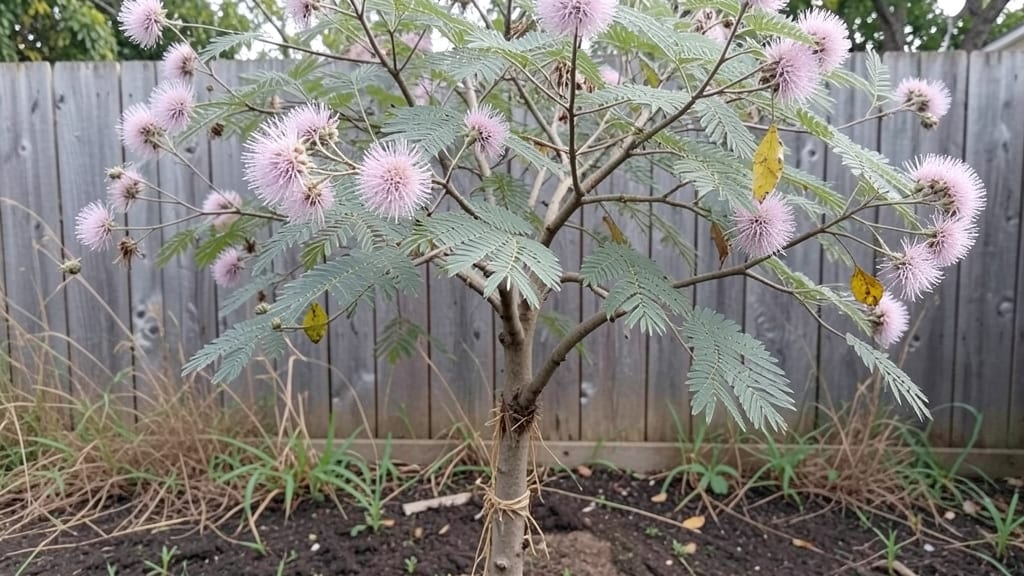
Your mimosa tree’s show-stopping 🌸 flowers are its pride and joy—but only if you know the secret to keeping them blooming year after year.
If your mimosa tree’s delicate, fuzzy flowers fade too quickly—or worse, never appear—it’s likely a pruning puzzle. The right timing and technique can transform your tree into a year-round blooming star, but most gardeners miss the key steps that make all the difference.
Mimosa trees thrive in USDA Zone 6a when planted in spring (April–May), where they soak up full sun and well-draining soil. Yet even with perfect conditions, pruning mistakes can rob you of those iconic pink puffs.
I’ve spent years perfecting the method, and now I’m sharing the exact moves to keep your tree flowering like a pro.
Here’s how to time your cuts, spot the signs of over-pruning, and give your mimosa the care it needs to burst into bloom season after season.
When and how to prune mimosa trees for maximum flower production
Mimosa trees (Albizia julibrissin) burst into bloom with their iconic pink, fuzzy flowers, but many gardeners struggle to coax consistent production. The secret lies in understanding their natural blooming cycle—which peaks in late spring to early summer—and aligning pruning with that rhythm.
Unlike many trees, mimosas flower on new growth, so aggressive pruning can actually reduce next year’s blooms. Timing is everything: prune too early, and you risk cutting off potential flower buds; too late, and you disrupt the tree’s energy storage for spring blooms.
Your mimosa’s health depends on balanced pruning, which removes dead or crossing branches while preserving the flower-producing canopy. The best time to prune is late winter to early spring, just before bud break (typically February to March in most USDA zones).
This timing ensures you’re not removing next year’s flower buds while still cleaning up winter damage. For established trees, a second light pruning after flowering can encourage denser foliage and more blooms the following year.
Before grabbing your shears, learn to identify live vs. dead branches. Live branches have green bark and buds or leaves, while dead branches are brown, brittle, or hollow. Mimosa branches also have a unique zigzag pattern where buds form—these are your flower production zones.
Never prune more than 25% of the canopy in one session, or you’ll stress the tree and reduce flower output.
- Step 1
Choose the Right Time
Prune late winter (February-March) before buds swell but after the last frost. This ensures you’re not cutting off next year’s flower buds while removing winter-damaged branches. Avoid pruning in fall or early spring, as this can stimulate late growth that won’t harden off before winter.
- Step 2
Gather Your Tools
Use sharp, sterilized pruners for cuts under ½-inch thick, and a pruning saw for thicker branches. Disinfect tools with rubbing alcohol to prevent disease spread. Wear gloves—mimosa branches have thorny twigs that can snag skin!
- Step 3
Remove Dead or Diseased Wood
Start by cutting out dead branches (no green bark or buds) and any with signs of disease (mushrooms, oozing sap, or holes). Make cuts just outside the branch collar (the swollen area where the branch meets the trunk). This prevents stub wounds that invite pests.
- Step 4
Thin the Canopy for Airflow
Focus on removing crossing branches and those growing inward. Aim for a balanced, open shape to improve air circulation and sunlight penetration, which boosts flower production. Never remove more than 25% of the canopy in one session to avoid stressing the tree.
- Step 5
Shape for Future Blooms
After removing deadwood, prune to encourage outward growth. Mimosa flowers form on new shoots, so focus on cutting back overcrowded branches to open up the center. Use the third-bud method: cut just above a healthy outward-facing bud to guide growth.
- Step 6
Post-Pruning Care
Apply a 2-inch layer of mulch around the base (but not touching the trunk) to retain moisture and regulate soil temperature. Water deeply to help the tree recover. Avoid heavy fertilization immediately after pruning—wait until new growth appears (typically 4-6 weeks later).
Mimosa trees reward patience with prolonged blooming seasons, but only if you respect their natural growth patterns. After your first pruning session, monitor the tree for
Common pruning mistakes that kill mimosa tree blooms (and how to fix them)
Your mimosa tree’s fuzzy pink blooms might be disappearing because of pruning mistakes. Mimosa trees (Albizia julibrissin) produce flowers on new growth, so aggressive cuts or wrong-season pruning can starve your tree of blooms.
The key is understanding when and how to prune without sacrificing next year’s flowers.
One of the biggest mistakes is over-pruning in a single session. Many gardeners cut back 30-50% of the tree at once, thinking it will encourage bushier growth. Instead, this shocks the tree, reducing energy for flower production. Mimosa trees thrive with light, strategic cuts—never drastic reductions.
Another critical error is pruning at the wrong time. Late winter cuts (before late March) remove next season’s flower buds, while summer pruning can stunt bloom development. The ideal window is early spring (just after blooms fade) or late fall—but only if your climate stays mild.
⚠️ Warning: These Cuts Kill Mimosa Blooms
Avoid aggressive thinning of branches—this removes flower-producing nodes. Never cut more than 25% of the canopy in one session. Wrong-season cuts (winter or summer) also trigger sparse blooms. If you’ve already made these mistakes, focus on light pruning in spring and fertilizing for recovery.
Many gardeners also misidentify dead branches, cutting healthy ones that could’ve produced flowers. Mimosa branches are compound leaves—look for brown, brittle stems (dead) vs. green, flexible branches (alive). Dead branches won’t bloom, but live ones will if given the right conditions.
If your mimosa tree has no blooms this year, it might be recovering from past pruning mistakes. To fix it, reduce pruning by 50% next season and apply a balanced fertilizer (10-10-10) in early spring.
Water deeply but infrequently—mimosa trees hate soggy roots, which also stress flower production.
For year-round blooms, prune only to shape the tree (never to "thin out" aggressively). Focus on removing crossing branches or those growing inward—these compete for energy. A well-pruned mimosa can rebloom multiple times in warm climates, but only if you respect its natural growth cycle.
Remember: Patience is key. Mimosa trees take 2-3 years to recover from heavy pruning. If you’ve overdone it, don’t panic—just adjust your approach and watch those pink puffs return next spring. 🌸