
Blooming
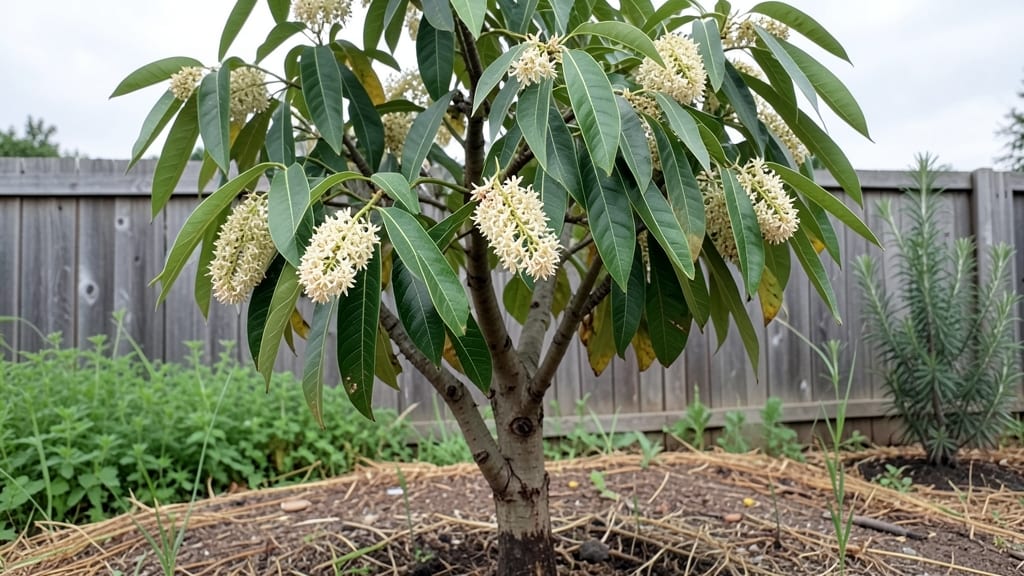
Lychee tree flowering occurs in late winter to early spring, typically between January and March in tropical climates, requiring cool nights (below 65°F) and warm days (70-85°F) to trigger blooms. Proper watering, sunlight exposure, and occasional pruning enhance fruit production after flowering.
Timing this just right is everything with lychee trees—too much heat or cold can throw off their delicate bloom cycle. 🌸 In regions like Florida or California, where winters are milder, trees often flower slightly later (February to April), while Hawaii’s cooler highlands might see blooms as early as December.
The key is creating that perfect contrast between chilly evenings and sun-warmed days, which signals the tree to shift from vegetative growth to reproductive mode.
Once flowering begins, maintaining consistent moisture without overwatering is critical—lychees hate soggy roots but need steady hydration during bloom. I’ve found that a light application of low-nitrogen fertilizer (like a 5-10-10 blend) right before buds appear gives them the energy boost they need.
And here’s a pro tip: prune back any overly dense branches in late winter to improve airflow and sunlight penetration, which directly correlates with heavier fruit set later.
💡 In This Article
- Climate and Temperature Requirements for Lychee Flowering
- Pruning and Care Tips to Boost Lychee Tree Blooms
Climate and temperature requirements for lychee flowering
Lychee trees rely on a precise temperature dance to trigger flowering—what scientists call "vernalization," where cool conditions break dormancy and stimulate bud development. The magic happens when nighttime temperatures dip below 65°F while daytime highs stay between 70-85°F.
This temperature contrast mimics the tree's natural tropical winter, where cooler highland nights and warm valley days create the perfect bloom signal. Without this contrast, buds often fail to open, leaving you with a tree full of potential but no flowers.
The exact temperature thresholds vary slightly by variety. For example, the popular 'Bengal' cultivar thrives with nighttime lows around 59-63°F, while 'Champagne' lychees tolerate slightly warmer evenings (65-68°F).
In Florida's humid climate, growers often see blooms shift later (February-March) because the cooler dry season arrives later than in Hawaii's highlands, where December-January flowering is common. The key difference? Florida's coastal areas experience more stable warmth, while Hawaii's elevation creates natural temperature swings that trigger earlier blooms.
Here's what's actually happening at the cellular level: Cool nights reduce ethylene production (a plant hormone that promotes aging) while warm days boost auxin levels (which promote growth). This hormonal balance shifts the tree's focus from leaf production to flower development.
Without this synchronization, buds either drop prematurely or fail to develop properly. Think of it like a metabolic switch—too much heat keeps the tree in "growth mode," while too much cold can shock the system into early dormancy.
Regional microclimates play a huge role too. In California's Central Valley, lychee trees often need winter chilling hours (below 45°F) to break dormancy, while coastal areas with milder winters may require artificial cooling methods like shade cloth or misting systems during heatwaves.
The science behind this involves lychee trees' tropical origins—they evolved in regions with distinct dry seasons where temperature shifts signaled the optimal time to reproduce. When these conditions aren't met, the tree's internal clock gets confused, leading to poor flowering.
What most people don't realize is how humidity factors into this equation. Lychee flowers are particularly sensitive to dry air—relative humidity below 60% during bloom can cause buds to desiccate before opening.
In arid regions like Arizona, growers often use drip irrigation systems timed to release water in the early morning, creating a microclimate with higher humidity around the flowers.
This isn't just about watering the roots; it's about maintaining the delicate moisture balance that keeps the flower clusters hydrated and receptive to pollination.
For those growing lychees in containers, temperature control becomes even more critical. A 5-gallon pot of soil heats up and cools down faster than in-ground plantings, which can create temperature fluctuations that disrupt flowering.
I've seen container-grown trees in Southern California produce blooms a full month earlier than their in-ground counterparts because the pots absorb heat during the day and radiate it at night, creating an artificial temperature contrast. The solution?
Use dark-colored containers for heat absorption during the day and surround them with mulch to moderate nighttime cooling.
Remember this: The perfect flowering conditions aren't just about hitting temperature targets—they're about creating the right environmental story for your lychee tree.
It's the contrast between day and night, the balance of warmth and coolness, and the subtle cues that tell the tree it's time to shift its energy from leaves to flowers.
When you get this right, you'll see those iconic pink flower clusters appear with dramatic precision, setting the stage for a bumper crop of lychees. 🌟